



How to make a medical claim in Malaysia: A step-by-step guide
Whether you're using a cashless admission or making a reimbursement claim, here's what you can expect and how the process generally works across Malaysia.
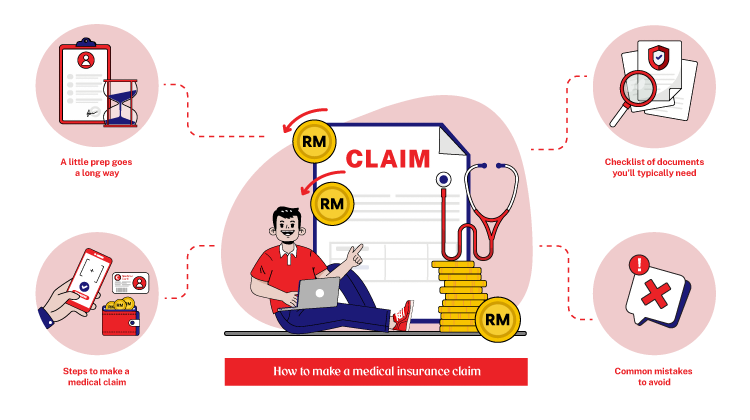
Most of us buy medical insurance, pay our premiums faithfully, and then realise we've never actually learned what happens when it's time to make a claim. The good news? Claimingmedical insurance isn't as complicated as it may seem, once you understand the process.
In this guide, we'll walk you through how to claim medical insurance in Malaysia, step by step, so you're not trying to figure it out for the first time when you're stressed, feeling unwell or standing at a hospital registration counter.
Note: The claims process may differ depending on your insurer, policy type and medical benefits. Always refer to your policy contract and claims guidelines for the most accurate information.
Key highlights:
|
What is a medical insurance claim?
A medical claim is a request for your insurer to pay or reimburse eligible medical expenses covered under your insurance policy. Depending on your plan, this may include hospitalisation, surgery, specialist treatment or other covered medical services. The amount payable depends on your policy benefits, annual limits, exclusions and any applicable deductible or co-insurance.
There are two main ways a medical claim is processed.
- Cashless claim: The hospital works with your insurer before or during your admission. If your treatment is covered, the insurer may issue a Guarantee Letter (GL), which allows eligible hospital bills to be settled directly. This means you may only need to pay expenses that fall outside your policy coverage, such as non-covered items or room upgrades.
- Reimbursement claim: This is commonly used if you receive treatment at a non-panel hospital, seek outpatient care covered under your plan, or where cashless admission is not available. In these situations, you pay the medical expenses first before submitting a reimbursement claim to your insurer for assessment.
While the details differ between insurers, understanding these methods is an important first step in knowing how to claim medical insurance.
Before you're hospitalised: A little prep goes a long way
You don't need to memorise your policy document, but a few basics will save you from headaches later:
- Know your policy number and what it covers. Room and board limits, co-insurance, and deductibles all affect what you need to pay out of pocket, if anything.
- Save your insurer's claims hotline or email. You will want this handy, especially in an emergency.
- Check if your hospital is a panel hospital. This single detail decides whether you can go cashless or need to pay first.
If you're still comparing plans and haven't bought one yet, it's worth understanding what to look for in a policy and knowing how to choose the right health insurance plan.
Steps on making a cashless claim (using a Guarantee Letter/ Medical Card)
This is the option most people hope for, because it means you're not fronting the bill yourself. Here's how it typically works.
1. Visit a panel hospital
If your treatment is planned, check whether your chosen hospital is part of your insurer's panel before your appointment or admission.
In an emergency, your priority should always be getting medical attention. Once your condition is stable, the hospital can advise on the next steps for your medical claim, subject to your insurer's requirements.
Good to know: Receiving treatment at a non-panel hospital doesn't necessarily mean you can't claim. Depending on your policy, you may instead need to make a reimbursement claim after treatment.
2. Present your medical card and identification
During registration or admission, you will usually be asked to present your medical card and identification document e.g. NRIC. The hospital will verify your policy information and submit a request for a Guarantee Letter (GL) where applicable.
Some hospitals may also ask for information such as:
- Your policy number
- The policyholder's details (if different from the patient)
- Your attending doctor's name
- Contact information
3. The hospital reviews the Guarantee Letter (GL)
Once your admission details and proposed treatment are available, the hospital submits them to the insurer for assessment. The insurer reviews information such as:
- Your policy status
- Whether the waiting period has been completed
- Your available benefits and annual limits
- Whether the proposed treatment is covered under your plan
If everything is in order, the insurer may issue a GL to the hospital. Think of the GL as an approval confirming that eligible medical expenses can be settled directly between the insurer and the hospital, subject to your policy's terms and conditions.
Good to know: A GL is usually valid for 30 days from the date it is issued.
4. Receive your treatment
Once admission arrangements are completed, you can focus on your treatment and recovery. If your treatment plan changes, the hospital may inform the insurer to seek further approval where required.
Every case is different, so the amount covered under a medical claim depends on your policy's benefits and the treatment received.
5. Settle any non-covered expenses before discharge
Even with a cashless arrangement, you may still need to pay certain charges yourself.
Examples include:
- Room upgrades beyond your entitlement
- Items or services not covered under your policy
- Non-medical charges
- Deductible or co-insurance (if applicable under your plan)
Before you're discharged, the hospital will usually explain which charges have been covered under the GL and which, if any, remain payable by you.
Steps on making a reimbursement claim (pay first, claim later)
There are situations where you'll pay the medical expenses first before submitting a reimbursement claim to your insurer. This may happen if you:
- Receive treatment at a non-panel hospital
- Seek treatment overseas (if covered under your policy)
- Require outpatient treatment that's eligible for reimbursement
- Receive treatment where cashless admission isn't available
- Experience an emergency where a GL couldn't be arranged beforehand
Here are the steps for making a reimbursement claim:
1. Pay the hospital or clinic
After your consultation, treatment or discharge, you'll settle the medical bill directly with the healthcare provider. Before leaving, check that you've received all the documents you'll need, such as original bills, tax invoices, receipts, deposit and refund receipts, if any.
Missing paperwork is one of the most common reasons a reimbursement claim takes longer to process.
2. Collect your supporting documents
Different claims may require different documents, but hospitals will usually provide most of what you'll need before being discharged. These documents help your insurer understand:
- What treatment you received
- When the treatment took place
- How much was charged
- Whether the expenses fall within your policy coverage
3. Complete your claim submission
Once you have the required documents, submit your reimbursement claim according to your insurer's preferred submission method.
Depending on the insurer and claim type, this may include:
- Online claims portal
- Mobile app
- Email submission
- Physical claim forms
For Great Eastern Malaysia customers, eligible claims may be submitted through available digital channels such as e-Connect, where applicable. Always refer to the latest pre- and post-hospitalisation claim requirements or inpatient/day surgery claim requirements before submitting your documents.
4. Your insurer assesses the claim
Once submitted, the insurer reviews your claim against your policy. This assessment generally includes:
- Confirming your policy is active
- Checking your benefits and limits
- Reviewing the diagnosis and treatment
- Verifying supporting documents
- Determining whether the expenses are covered
If additional information is required, the insurer may contact you or request further documents from your doctor or hospital.
5. Receive your claim outcome
After the assessment is completed, the insurer will inform you of the outcome. If the claim is approved, reimbursement is generally made according to your policy benefits and eligible expenses.
Cashless medical claim vs reimbursement medical claim
| Cashless claim | Reimbursement claim |
| Usually available at panel hospitals | Commonly used at non-panel hospitals or where cashless admission isn't available |
| Hospital requests a Guarantee Letter (GL) | You submit the claim after treatment |
| Eligible bills are paid directly to the hospital | You pay first, then seek reimbursement |
| Less paperwork during admission | More documents are typically required |
| May reduce upfront payment | Requires payment before the claim is assessed |
A checklist of documents you'll typically need
While requirements vary depending on your insurer and the type of treatment received, these are some of the documents commonly requested:
Personal information
- NRIC or passport
- Medical card
- Policy number (if requested)
Medical documents
- Doctor's medical report
- Lab, X-ray, or diagnostic reports (where required)
- Admission and discharge summary
- Referral letter (if applicable)
Hospital documents
- Itemised hospital bill
- Official receipt
- Pharmacy receipts (where applicable)
Claim documents
- Completed claim form (if required)
- Any additional supporting documents requested by the insurer
How long does a medical claim take?
Once your insurer receives a complete set of documents, the usual turnaround is 10 to 14 working days. While it can be tempting to compare timelines with friends or family, every claim is different. The best way to help your medical claim progress smoothly is to submit complete and accurate documents as early as possible.
A reimbursement claim usually takes longer because the insurer will need to review the documents after you've received treatment. If any information is missing or further clarification is required from your doctor or hospital, this may extend the assessment period.
If you'd like to check on the status of your claim, many insurers, including Great Eastern, provide online self-service channels where available, making it easier to stay updated without needing to call customer service.
Common mistakes to avoid when submitting a medical claim
Here are a few common situations that may lead to delays or additional follow-up.
- Waiting until after treatment to understand your policy
Spending a little time getting familiar with your policy before treatment can help you better understand what to expect.
- Choosing a non-panel hospital without checking your options
Receiving treatment at a non-panel hospital may mean you will need to make a reimbursement claim instead of using a cashless admission with a Guarantee Letter (GL). If your treatment is planned rather than urgent, checking whether a nearby panel hospital is available could simplify the claims process.
- Misplacing important documents
Keeping your itemised bills, official receipts and medical reports together, whether in a
physical folder or scanned digital copies, can make it much easier if you need to submit a reimbursement claim later.
- Waiting too long to submit a claim
Most insurance policies include a timeframe for submitting claims. Submitting your
documents promptly gives the insurer more time to assess your claim and reduces the risk of missing any submission deadlines. Remember to also check whether photocopies or original documents are required, and sign the fully completed claim forms (where applicable).
- Assuming every expense is covered
Even if your medical claim is approved, some costs may still be payable by you depending on your policy. These could include:
- Room upgrades beyond your entitlement
- Non-medical charges
- Deductible or co-insurance (where applicable)
- Treatments or services excluded under your policy
What if your claim is rejected or you disagree with the outcome?
Receiving news that a claim has not been approved can understandably be disappointing, but it does not always mean the matter is final. Sometimes, a medical claim may require additional documents or clarification. In other situations, the treatment may fall outside the benefits available under your plan.
If your claim is declined or only partially approved, take some time to review the explanation provided by your insurer. If anything isn't clear, contact your insurer for clarification. It is also worth knowing that insurers can void a policy within the first policy year if there has been non-disclosure of a pre-existing condition. So, being upfront about your health history when you first purchase a policy does matter.
Making sure you're covered before you need to claim
Whether you're using cashless admission through a Guarantee Letter (GL) or submitting a reimbursement claim, understanding the general claims process can help reduce uncertainty when you need medical treatment.
If you're reviewing your current coverage or exploring what's out there, take a look at Great Eastern's health insurance plans to see what fits your situation.
If you already have a policy and need to start a claim, visit the Claims Centre to get moving, or find a Life Planning Advisor if you prefer to talk it through with someone first.
FAQs


Let our Life Planning Advisor
assist you to
Request a call back
Thank you for your enquiry. Fill in your details below and a Life Planning Advisor will get back to you within 48 hours.
Call times are Monday-Friday between 8.30am and 5.15pm (except Public Holiday).