




Don’t let stress squeeze you out
Pressure isn't the enemy, but non-stop pressure can lead to chronic stress. Here’s how to protect your brain’s ability to bounce back from adversity.
Key takeaways:
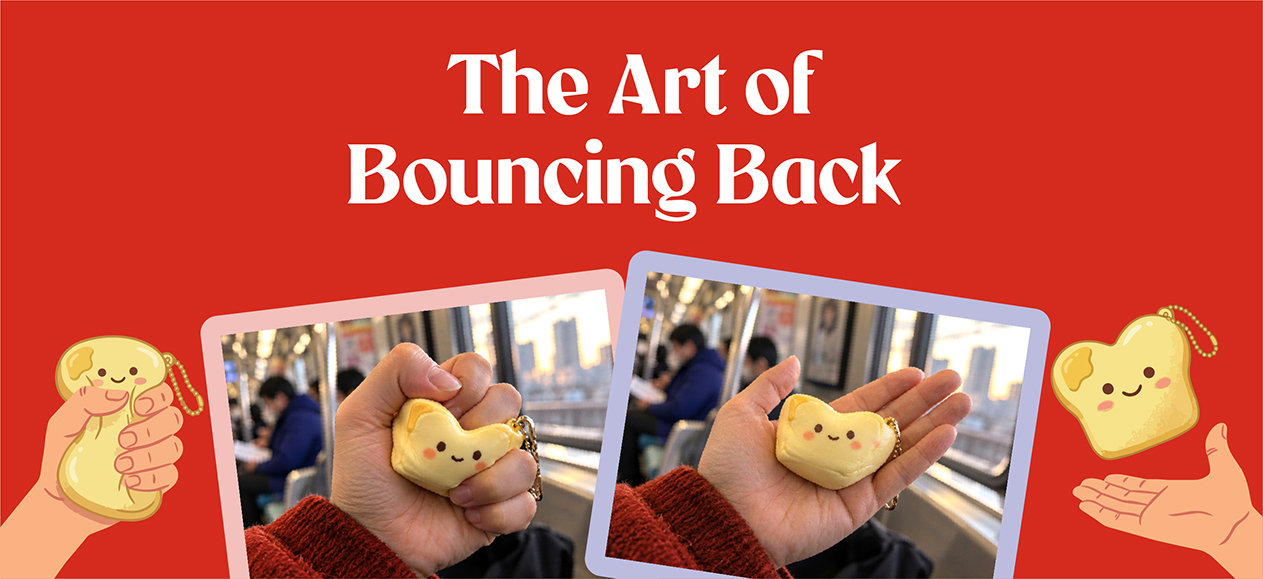
- Like a squishy charm, your brain is designed to handle pressure. But sustaining pressure without relief can overtax your body and mind.
- Chronic stress elevates your cortisol levels and keeps your body on high alert, leading to unhealthy habits like over eating and a poorer sleep quality.
- Over time, these habitual shifts can lead to long-term health complications, including heart attack, obesity, and stroke. So be sure to pay attention to the warning signs of chronic stress in your life!
- Learn healthy coping tools to keep your mind calm when a stressful challenge arises. Think of these tools as ‘band aids’ instead of a permanent reset.
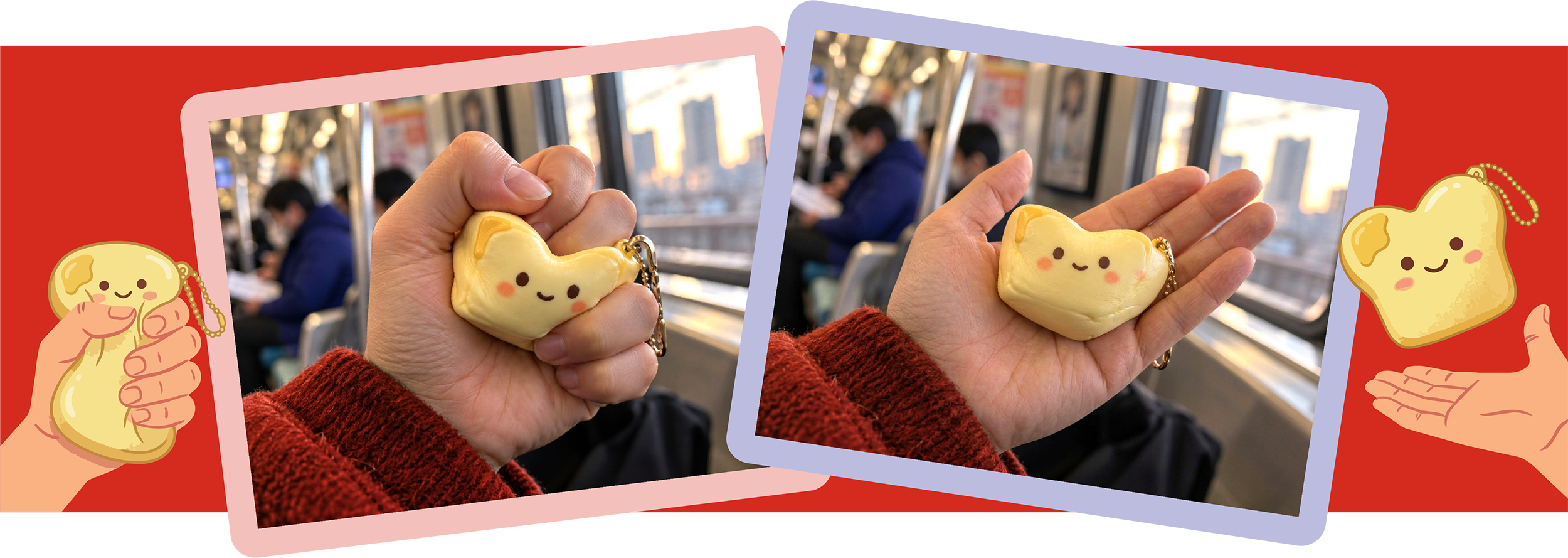
If you have an ultra-cute squishy charm or a keycap keyring dangling from your bag, you might have given it a good squeeze to get that satisfying ASMR sensation. At first, the rubbery form gets crushed in your grip. But once you release it, the charm starts bouncing back to full plumpness.
Your nervous system works the same way. You can think of this system as your body’s internal stress manager, designed to help you cope with life’s adversity while staying physically and mentally resilient.
First, let’s get this clear: it is a good thing when your body is reacting to a perceived threat. That little spike in your heart rate when you see a big rat scurrying across the road means your nervous system is working as intended, warning you of a potential danger so you can decide on the proper response. When a stressor comes only once in a while and stays within your control, your body might even benefit from it.
The problem comes when adversity becomes a constant presence, putting your mental state under pressure for a sustained period of time. This is what we call chronic stress. Repeated exposure to stress keeps your nervous system on a continuous state of high alert without a way to put the brakes on. Eventually, like a squishy charm that gets crushed under the bottom of a bag for too long, health problems might begin to weigh you down.
What does chronic stress look like and how does it differ from ‘run of the mill’ anxieties?
What tools or techniques can you use to deal with pressure in healthy ways? Read on to find out.

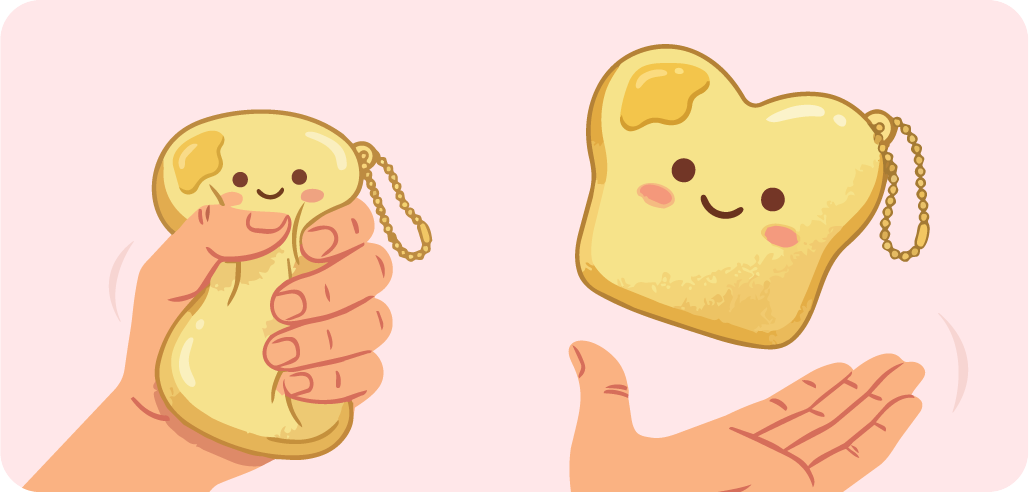
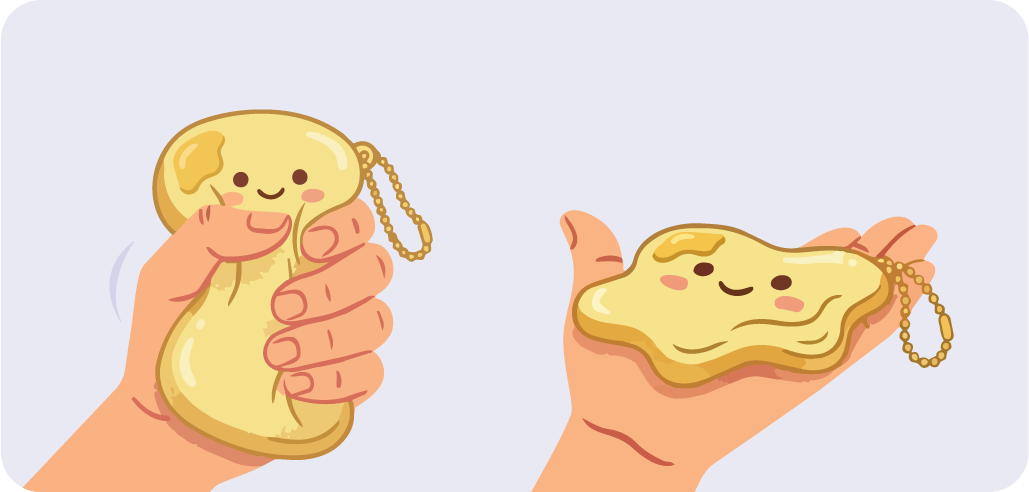
The impact of chronic stress can leave you feeling deflated
Unlike a fleeting sprint for a bus, sustained pressure changes daily habits and slowly wears down your health.

How do the different areas of your brain work together to process a threat? From amygdala, our amazing threat detector, to the sympathetic nervous system located throughout your body, it is a team effort.
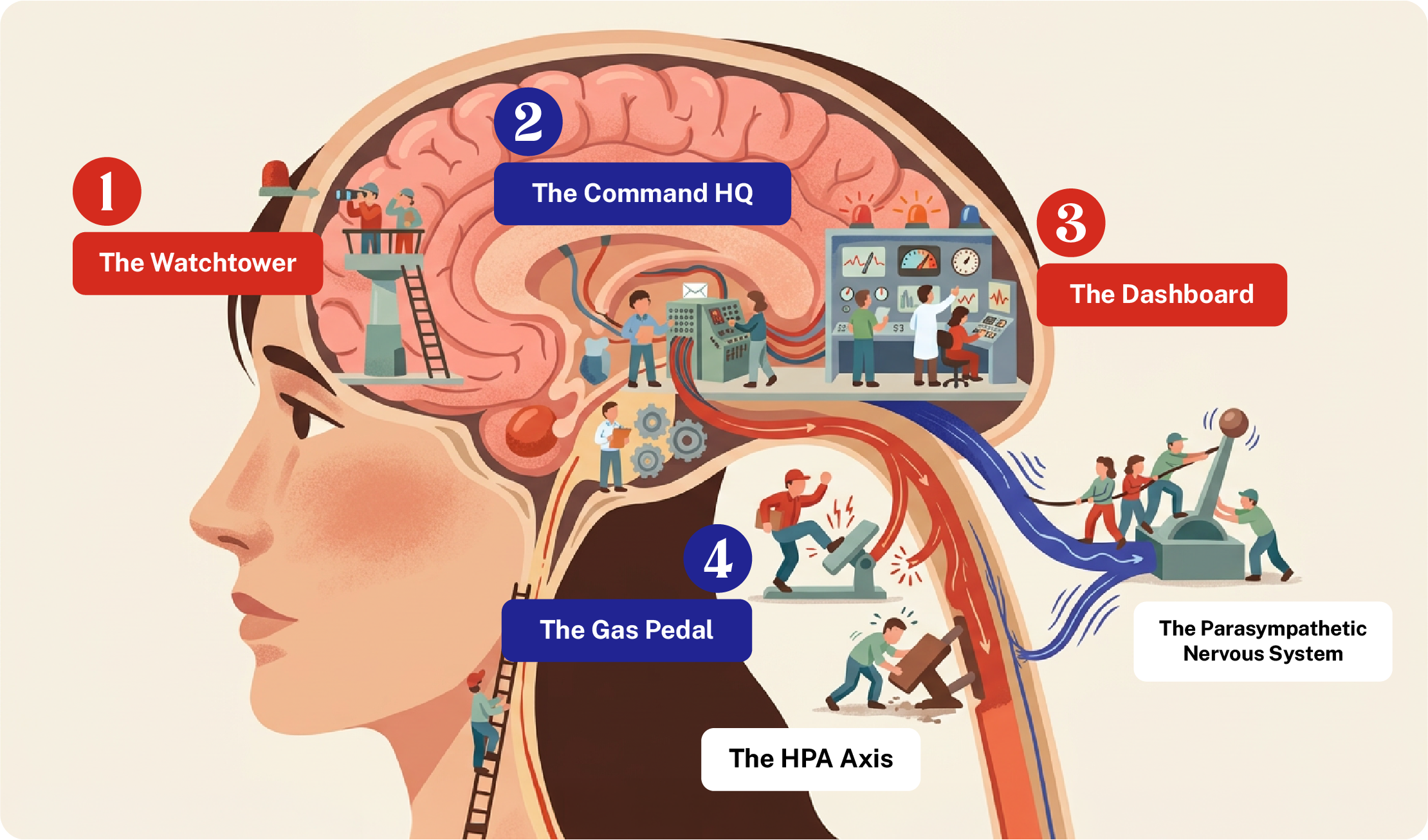

1. The Watchtower
Call it The Amazing Amy. The amygdala detect threats ahead. When danger looms, it sends a distress signal to the hypothalamus.
2. The Command HQ
If your heart races while watching a horror movie, the hypothalamus in your brain is communicating with your body via the autonomic nervous system.
3. The Operator
The autonomic nervous system puts the hypothalamus' command into action, controlling body functions such as breathing, blood pressure, and heartbeats.
4. The Gas Pedal
Once it receives a danger signal, the sympathetic nervous system 'floors the gas' with a burst of energy — making your heart beat faster and pumping blood to vital organs.
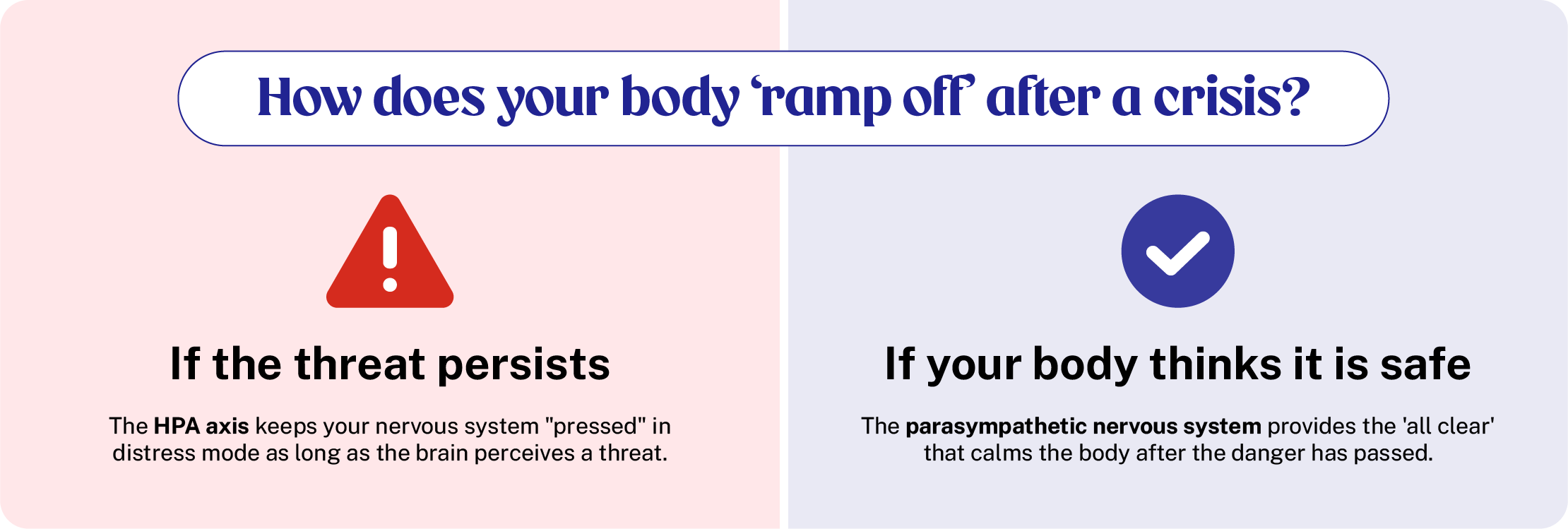

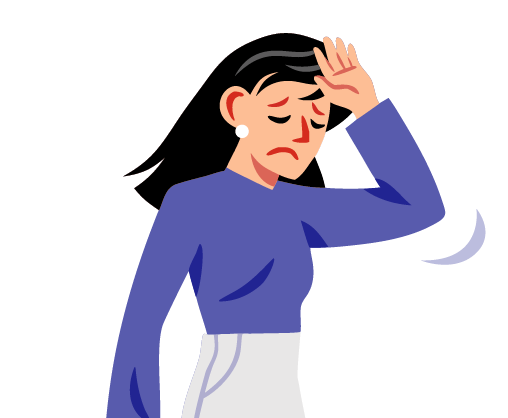
What chronic stress or burnout looks like.
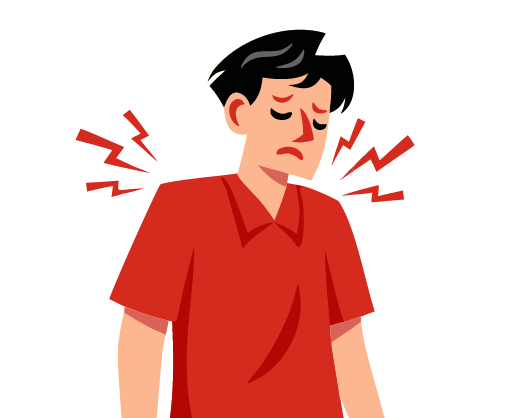
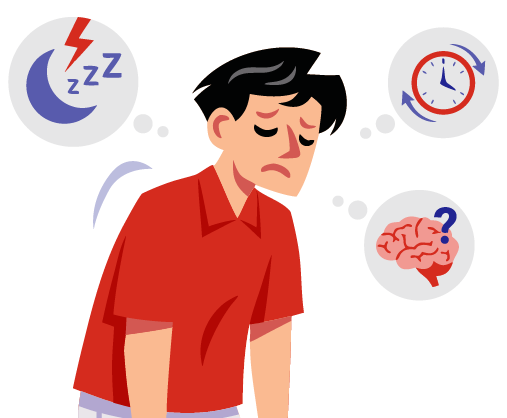
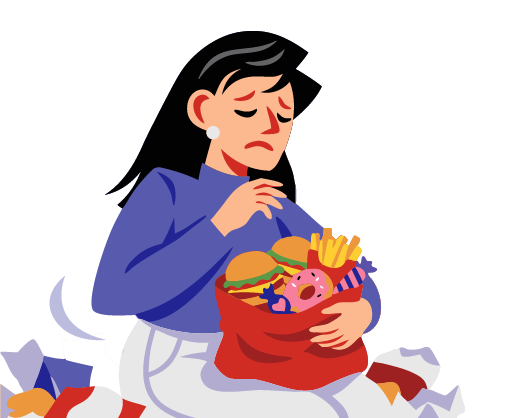

It is worth noting that your nervous system is a dynamic response network rather than a machine with a magical "reset button”. While helpful in the moment, relaxation techniques and coping tools will not permanently alter or "strengthen" your biology.
However, there’s a real value in learning these techniques. They can help you respond more calmly to a challenge whenever it arises, giving you healthy ways to ‘ramp down’ without relying on habits like oversnacking.
Here is a look at three simple, low-effort ways to help your body shift gears under pressure.
Slow your roll
Vagus Nerve Breathwork

What it is
Slow, controlled breathing exercises, such as prolonged exhalations, to intentionally engage your body's relaxation response.
How it works
Making your exhales longer than your inhales sends a direct signal down your vagus nerve to ease up on the ‘gas pedal’ and help lower your heart rate.
The use scenario
If you feel your anxiety spiking right as your flight prepares for takeoff, use paced exhalations in your seat to manually ‘tap the brakes’ before panic sets in.
Reality check
Think of it as a quick manual brake for a stressful moment, not a permanent structural fix for your nervous system.
Shake it off
Physical shaking and neurogenic tremoring

What it is
Literally shaking out your hands, arms, and legs.
How it works
Think of how a dog shakes its entire body after a fright to shed the residual adrenaline. Shaking helps discharge pent-up physical tension and relaxes your muscles when you are ‘stuck’ in high gear.
The use scenario
If you are waiting to walk into a high-stakes team presentation and can feel your palms sweating and your knees buzzing with adrenaline, a quick, discreet shake of your hands and arms helps discharge that trapped physical energy.
Reality check
It’s a handy pressure-release valve for accumulated physical tension rather than a cure-all.
Hug it out
The self-hug

What it is
Wrapping your arms around yourself or placing a firm, warm hand right over your chest.
How it works
Safe, grounding touch triggers immediate sensory feedback that tells your brain you are physically secure right now, helping to soothe acute distress.
The use scenario
If you’ve just stepped out of a heated argument and feel ready to boil over, wrapping your arms around yourself or placing a hand on your chest as you step away from the room helps prevent you from fighting fire with fire.
Reality check
This technique offers a quick, accessible pocket of comfort support isn't available, helping you navigate friction so you can approach root problems with a clearer head.
At the end of the day, your nervous system is not meant to float through life untouched by friction, nor should it stay permanently “squished” by pressure. Stress is an inevitable part of navigating career expectations, daily curveballs, and supporting your loved ones, but managing it doesn’t have to come at the cost of your health.
The goal is not to chase an ideal state of zero pressure or to look for a magic button that alters your nervous system. Instead, it’s about recognising when your mind and body have been squeezed a little too hard for too long and having a few handy tools ready to help you decompress. Whether it’s extending your exhale before a flight, shaking off the residual buzz before a big presentation, or giving yourself a grounding hug after a frustrating fight with your in-laws, these micro adjustments help you bounce back.
Protecting your well-being ultimately starts with addressing the root sources of your stress—whether it’s a job that drives you up the wall or a family dynamic that heaps unrealistic expectations on your shoulders. But until then, remember to give yourself permission to catch your breath and recover your mental and emotional well-being.
Whether you’re balancing the dual pressures of career and caregiving expectations or feeling overstretched while living as a single person, you can ease some pressure by giving your health and finances the foundational protection it deserves. If you are concerned about the toll that stress has taken on your health, consider the GREAT Critical Cover series to secure a critical illness protection plan that covers against up to 53 critical illnesses.
If you belong to the sandwich generation, you can protect yourself, your ageing parents, and your little ones with GREAT Life Multiplier. Providing multi-generational coverage for life’s changing demands, this whole-life plan includes a Parent Care rider that provides late-stage critical illness coverage for parents, covering conditions such as dementia, Alzheimer's, and Parkinson’s.
Let us match you with a qualified financial representative
Our financial representative will answer any questions you may have about our products and planning.