








When muscles weaken, support matters more
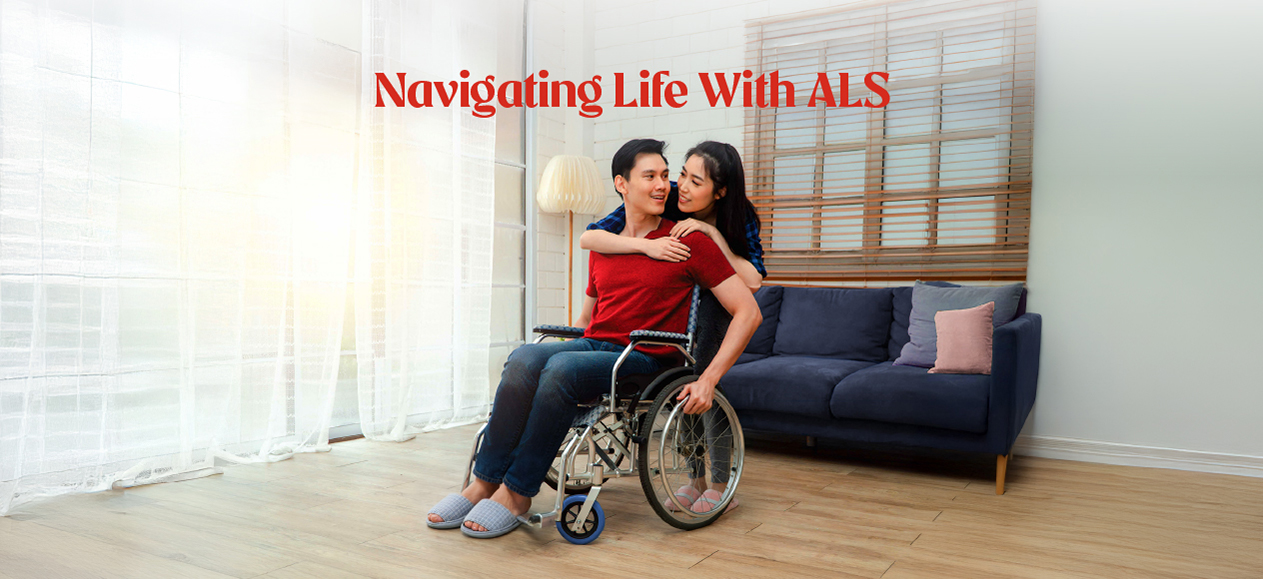
ALS may be rare, but its impact on daily life, caregiving, and planning can be profound.
Key takeaways:
- ALS is a rare but serious neurodegenerative disease that can affect movement, speech, swallowing and breathing over time.2
- Early symptoms can be subtle, which is why timely recognition and support matter.2
- Care planning, assistive tools and the right support can help patients and families adapt with more confidence.3
What exactly is ALS?
Many people first came to know about ALS through physicist Stephen Hawking, who lived with the disease for 55 years and helped bring global visibility to a rare condition. His story made the illness more recognisable, but ALS remains a serious neurological disease that deserves earlier understanding and support.1
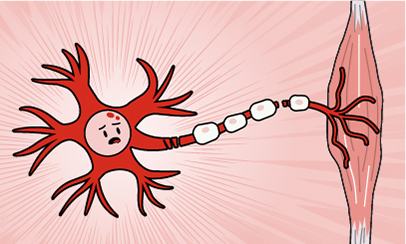
Amyotrophic Lateral Sclerosis, or ALS, is a progressive neurodegenerative disease that damages the motor neurones controlling voluntary muscle movement. Over time, it can affect walking, speaking, swallowing and breathing, and it sits within the wider group of motor neurone diseases.2
Some specialists now describe ALS as a multi-step disease, in that several biological changes may build up over time before symptoms appear. In Singapore, local reports note that around 250 to 300 people are living with ALS, with 30 to 40 cases diagnosed at NNI each year, and the condition is seen more often in older adults.1
Why can ALS be hard to spot at first?
ALS does not always begin dramatically. Early symptoms can be mild, gradual and easy to dismiss. Some people first notice weakness in an arm or leg, more frequent tripping, muscle twitching or cramping. Others may develop slurred speech, swallowing difficulties or shortness of breath as the disease progresses.2
Most people with ALS remain mentally alert even as muscle weakness worsens, although some may also experience cognitive or behavioural changes. The disease does not affect everyone in the same way, but the overall pattern is one of progressive loss of muscle control over time.2
How does ALS change everyday life?
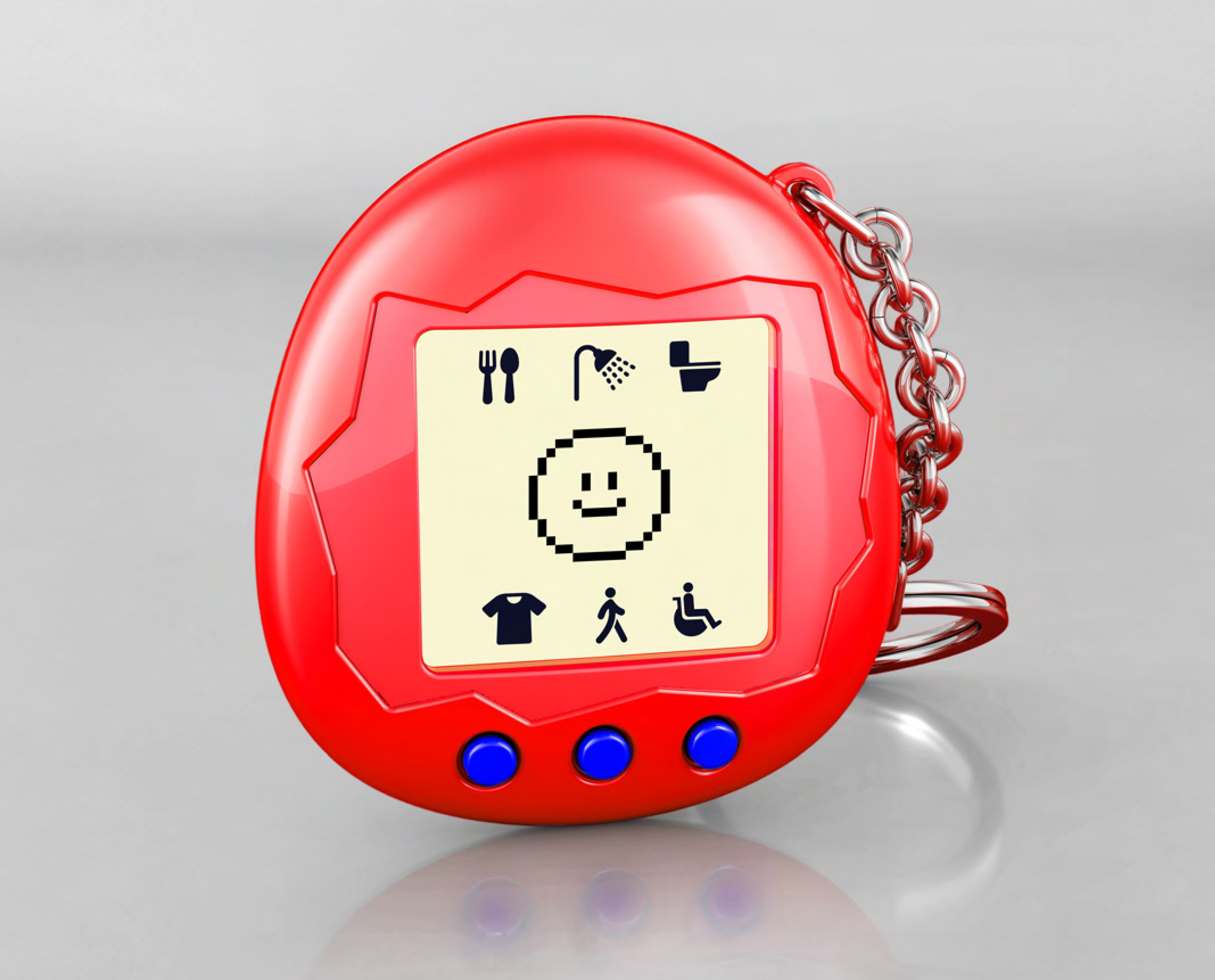
As ALS progresses, everyday routines often need to change. Tasks that once felt simple, such as walking, eating, speaking clearly, getting dressed or moving around the home, may gradually become more difficult. In later stages, breathing support, nutrition support, mobility aids and communication tools may become increasingly important.2
This is why the reality of ALS is not just medical. It can affect independence, relationships, work, home life and emotional wellbeing. Even though the condition is rare, it offers a powerful reminder that neurodegenerative illnesses can reshape daily life not only for the patient, but also for the people caring for them.1
What support may be needed over time?
There is currently no cure some for ALS, so care usually focuses on slowing progression where possible, managing symptoms, and supporting comfort and function. This is why multidisciplinary care matters, with neurologists, physiotherapists, occupational therapists, speech therapists, dietitians and respiratory teams often involved along the way.1
Support may include physiotherapy, communication aids, nutrition and swallowing support, non-invasive ventilation, and home-care equipment. In Singapore, patients who need respiratory support may also tap the Home Ventilator and Respiratory Support Service, which includes home-based support, caregiver training and routine follow-up.3
As Stephen Hawking once said, his disability had “not prevented me from leading a full and active life.” His words are a reminder that good support is not only about treatment, but also about preserving dignity, connection and purpose for as long as possible.4
Why is caregiving such a big part of the story?
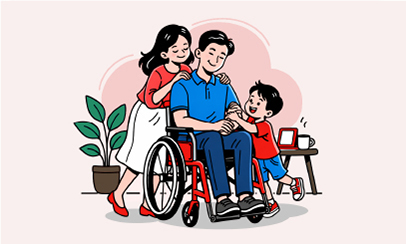
ALS often changes not just what care is needed, but who provides it. As mobility, communication and day-to-day function decline, family members may gradually take on more responsibility, from transport and feeding support to home adjustments, emotional care and help with medical coordination.3
That can create strain on many fronts: practical, emotional and financial. Support groups and community organisations in Singapore play an important role in helping patients and loved ones cope with these realities, while specialist teams can help families navigate care decisions more confidently.3
Why does planning ahead matter?
Most ALS cases happen without a known family history, which means diagnosis can come as a shock. Around 5 to 10% of cases are inherited, but for most families, the condition is not something they saw coming.2
That is why planning matters. Beyond treatment itself, families may need to think about hospitalisation costs, caregiving responsibilities, disability-related needs and longer-term support. In that sense, serious neurological conditions like ALS highlight why protection is not just about the diagnosis, but also about preparing for the practical and financial impact of what may follow.3
Relevant protection options
Because many ALS cases arise without a clear family history, planning ahead can help protect your financial wellbeing against the potential cost of care. Depending on policy terms and definitions, the following plans may be relevant to that conversation.2

GREAT SupremeHealth
This is a MediSave-approved Integrated Shield Plan that covers up to 95% of your hospitalisation bills for life, while helping to reduce out-of-pocket expenses through post-hospitalisation treatment coverage.
GREAT Hospital Cash
A hospital cash plan designed to complement existing health coverage, with up to S$600 daily hospital cash benefit, an A&E outpatient reimbursement benefit, and additional payouts that can help ease out-of-pocket strain during hospitalisation and recovery.6
GREAT CareShield
A MediSave-approved supplementary disability plan that provides monthly payouts for up to a lifetime when the insured is unable to perform just 1 Activity of Daily Living, making it especially relevant to longer-term care and caregiving conversations.7



Let us match you with a qualified financial representative
Our financial representative will answer any questions you may have about our products and planning.

2. National Institute of Neurological Disorders and Stroke (NINDS): Amyotrophic Lateral Sclerosis (ALS)
3. Ministry of Health Singapore: Support for patients with Motor Neuron Disease
4. Stephen Hawking Estate: NHS speech
5. Great Eastern Singapore: GREAT SupremeHealth | MediSave-Approved Integrated Shield Plan
6. Great Eastern Singapore: GREAT Hospital Cash | Daily Cash Benefit upon hospitalisation
7. Great Eastern Singapore: GREAT CareShield | Disability Income Insurance Singapore