







How to win in life: 3 lessons from 3 WOG champs
From rewriting their brain to overcoming injuries, lessons from Winter Olympic Games athletes on winning in ways that matter.

Key takeaways:
- Olympic athletes often encounter challenges like mental roadblocks, overwhelming pressure, and physical injuries on the road to success.
- They overcome these challenges by practicing healthy habits and mental strategies unique to their journeys.
- Let these strategies inspire you on your personal quest, whether you’re trying to stay active or working towards an ambitious goal.
- Dive into the stories of Eileen Gu, Amber Glenn and Alysa Liu, three athletes who defy the odds to achieve their best results!
If you stayed up watching the Winter Olympics this February, you might find yourself in awe at the athletic feats on display. Beneath these moves are practical strategies and conscious lifestyle choices that turn hours of hard work into medal-winning performances.
It’s tempting to see Olympians as a distinguished group of ‘superhumans’ who are naturally faster, stronger, and beyond our reach. But when it comes to dealing with physical and mental challenges, athletes are not so different from the rest of us.
From managing pressure and rising expectations to keeping active in recovery mode, find out how athletes like Eileen Gu, Amber Glenn and Alysa Liu have turned adversity into tales of victory.
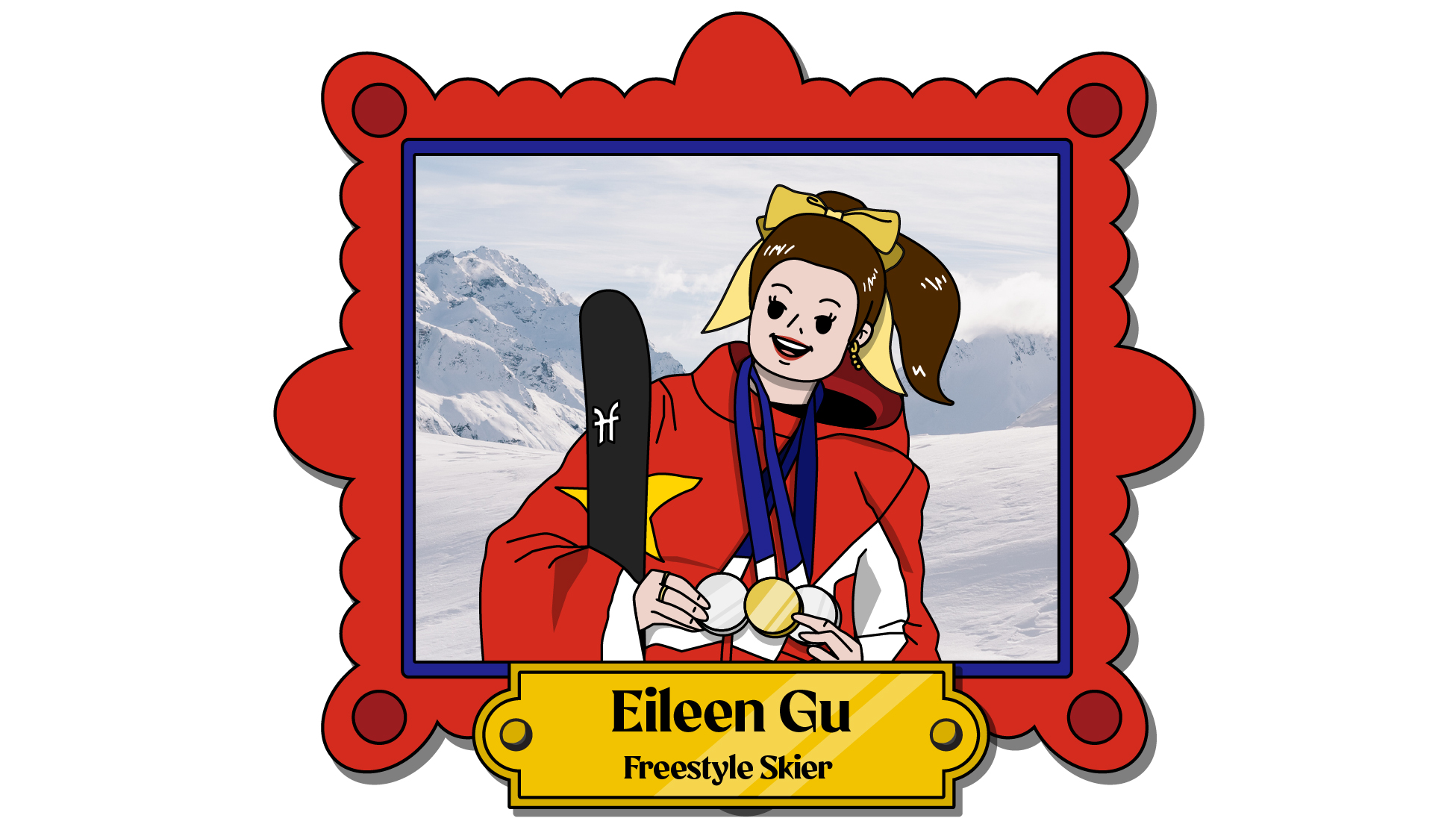
A champion
What we can learn from Eileen’s journey
1. Boost your immune system with enough sleep
Eileen credited her success to getting 10 hours of sleep every night. “Sleep stimulates body and brain growth,” she explained. In fact, sleep affects almost every organ in our body, including our brain, heart, and lungs! Adversely, a chronic lack of sleep has been associated with high blood pressure, cardiovascular disease, diabetes, and depression.
2. Harness your fitness data to aid your recovery
Overtraining can lead to fatigue, burnout, or injuries. As an elite athlete, Eileen used to feel guilty about resting. “For the last few years, I’ve been pitting my mind against my body,” she said. Now she’s adjusting her training intensity off the data collected from her sleep cycles, menstrual cycles, and biomarkers. She also employs an active recovery strategy with low-intensity workouts to keep her muscles strong and flexible on rest days.
3. Tap the power of neuroplasticity
Shifting your perspective when you fall short of your goal will help you regain your motivation. When asked if she considered her silver medals as “two golds lost”, Eileen countered the idea with a gratitude-focused mindset, stating that winning any medal at the Olympics is a life-changing experience for any athlete.
The power to reshape your mind and how you perceive your experiences is called neuroplasticity. This ability allows you to adapt and rewire your brain throughout your life span, so you can learn from past mistakes and gain new skills. “You can control what you think. You can control how you think. And therefore, you can control who you are,” she said. She put this insight into practice by journaling regularly to track her thoughts.
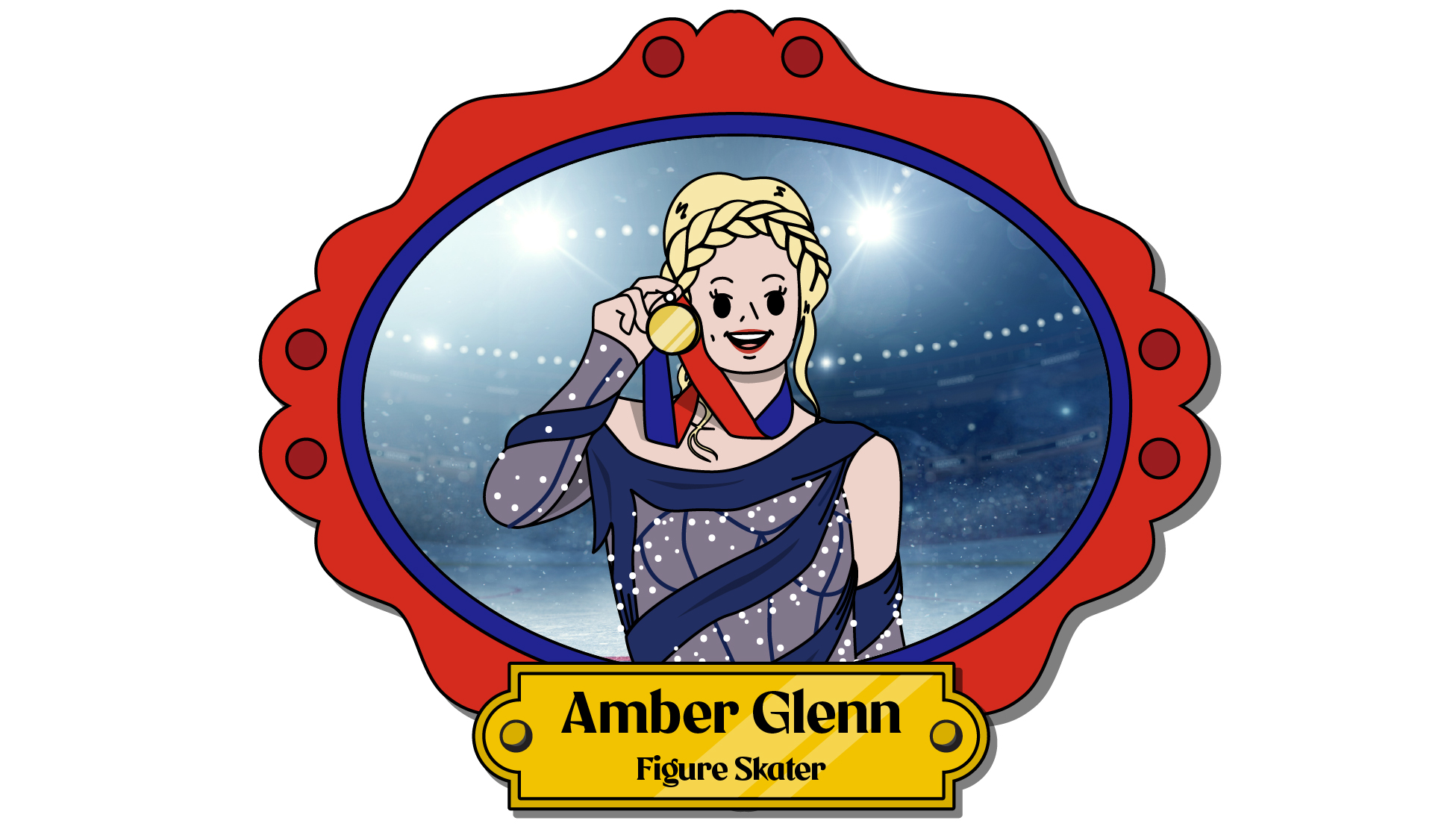
A mental health advocate who rewires her mind
What we can learn from Amber's journey
1. Introduce grounding routines to manage your anxiety
Spending time with her dog and playing games in between intense training days help Amber manage her anxiety as her Olympic journey heats up.
2. Manage period discomfort with exercise and heat therapy
Period discomfort can leave us feeling sluggish, but there are ways to manage it. When period pain resurfaces, Amber focuses on taking hot showers and doing stretches to keep her body relaxed and ready for competition.
3. Rewire your mind to perform under pressure
Like a muscle, you can train your mind to be stronger and more resilient. Learning more about how her brain works in high-pressure situations helped Amber to compete with a healthy attitude. Instead of seeking perfection in her performances, she developed a problem-solving mindset. This breakthrough helped Amber to stay in control and stop mistakes from piling up when she performed imperfectly at competitions.
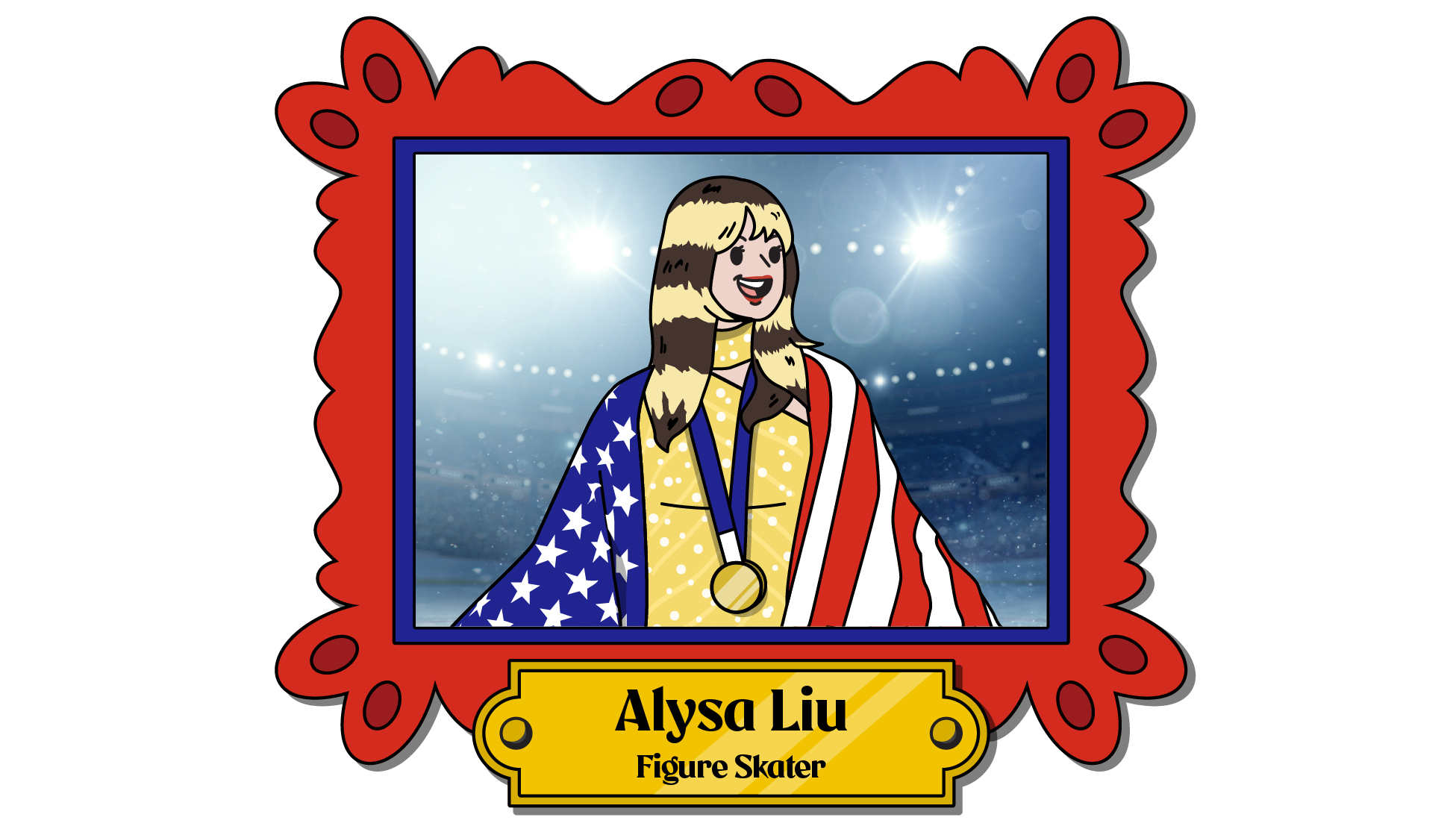
The comeback star who chooses happiness over medals
What we can learn from Alysa's journey
1. Have a healthy social life
Surrounding herself with the right people proves to be a crucial step to recovery. “I really focused on school and friendship and honestly, that’s the thing that grounded me,” she said.
2. Develop a well-rounded training regimen
Alysa complements her regimen on the ice with visits to the gym to build up her strength and stability. While on-ice elements like jumps and spins make upthe most crucial part of a figure skater’s routine, Alysa’s holistic training approach helps prevent injuries and improve her mobility. You don’t have to be an Olympian to benefit from mobility exercises like lunges and jumping jacks, as they’re suitable for all ages and might even contribute to your longevity!
3. Don’t let fear of failure hold you back
“Stay on your own path and focus on yourself” is Alysa’s message to young girls who aspire to follow her path. It’s a good motto to live by when you’re dealing with a high-pressure environment. Instead of getting sucked into social media feeds that prey on feelings of inferiority, focusing on your personal goals and milestones is a more sustainable way to stay motivated.
Inspired by these high achievers to get active and adventurous?
As their stories have shown, good rest and nutrition plays a big part in keeping you strong and healthy, so be sure to make it your priority too.
Despite all these precautions, injuries are often part and parcel of living an active lifestyle. Give yourself the means to bounce back from any physical setback at your own pace with GREAT Protector Active, a personal accident insurance plan that provides up to S$4.5 million accident coverage. With the recovery cash rider, you’ll also receive an income payout of up to S$20,800 if you are medically certified as being temporarily unable to attend work, go to school, or perform your domestic duties.
Sometimes, injuries leave a visible scar or lingering pain that keeps you from feeling your best. Complement your coverage with the Lifestyle Rider that includes post-accident treatments such as Traditional Chinese Medicine (TCM), scar removal, and dental work, giving you the means to restore your confidence with ease!

GREAT Protector Active
Personal accident coverage with recovery support for your active lifestyle
Let us match you with a qualified financial representative
Our financial representative will answer any questions you may have about our products and planning.
