








Not every shoe is built for happily ever after
The right shoes can support an active lifestyle, but managing plantar fasciitis takes more than a good fit. Here’s what to know.

Key takeaways:
- Plantar fasciitis is a common cause of heel pain that can show up during the first steps in the morning, after rest, or after long periods of running, walking or standing.
- Repeated strain, worn-out footwear, sudden increases in training, tight calves and inadequate recovery can all contribute to heel pain over time.
- Understanding your arch type can help you choose shoes that better match how your feet move and absorb impact.
- Stretching, gradual training, proper recovery and replacing shoes when needed may help reduce repeated strain on the feet.
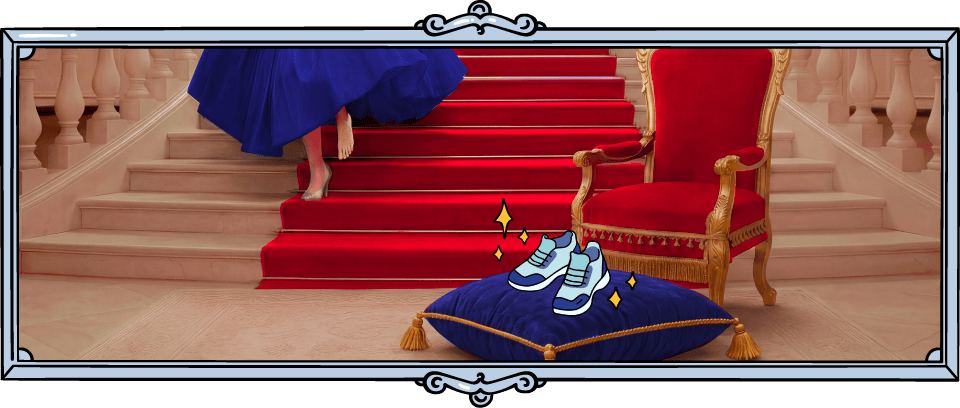
We may choose a pair for how it looks or feels, then rely on it through long days, workouts, and everything else life throws at us. But as more Singaporeans embrace active lifestyles, many of us are placing increasing strain on our feet without fully realising it. Which is why it is worth paying attention not just to the shoes we wear, but also to how our feet are coping with all that movement.
Sometimes, the first sign is subtle. A slight ache in the heel after a run. A dull soreness after standing all day. For others, it is that familiar wince during the first few steps out of bed each morning, before things gradually loosen up again.
It is easy to brush it aside. But recurring heel pain is not always something to ignore.
One common cause is plantar fasciitis (pronounced PLAN-tur fash-ee-EYE-tis), a condition involving irritation or inflammation of the plantar fascia along the bottom of the foot.
The right fit is not just about style. It is also about giving your feet the support they need to move comfortably through the life you actually live.
What is plantar fasciitis?
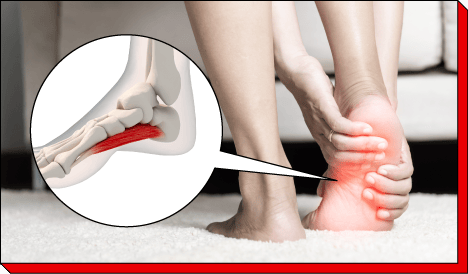
Running along the bottom of your foot is a thick band of tissue called the plantar fascia. Think of it like a bowstring that helps hold up the arch of your foot. Its job is to support the arch and help absorb impact when you walk, run or stand.
Plantar fasciitis can happen when this band of tissue becomes irritated or overworked.
The pain is commonly felt near the heel and may:
- Appear during the first few steps in the morning
- Return after sitting for long periods
- Flare up after running, long walks, or hours of standing
For some people, the discomfort eases slightly after moving around. For others, it slowly starts affecting workouts, routines, and everyday mobility.
When the strain builds quietly
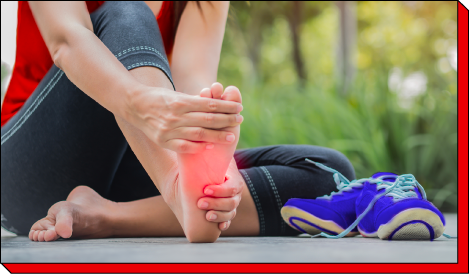
Plantar fasciitis is rarely caused by one dramatic moment. More often, it develops through repeated strain on the feet over time.
Several factors can contribute, including increasing mileage too quickly, exercising on hard surfaces, standing for long hours, tight calf muscles, and insufficient recovery between workouts.
Footwear can also play a role. Even shoes designed to provide cushioning and stability can become less effective over time.
Because the strain builds gradually, the early signs are often easy to dismiss until the discomfort starts interfering with everyday movement.
Finding your real-world right fit
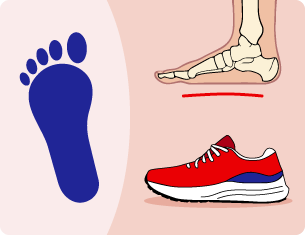
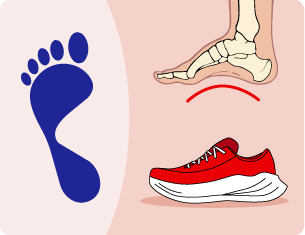
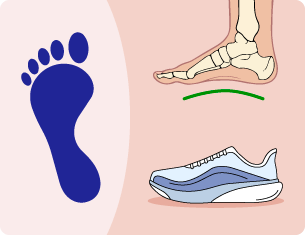
The right shoe is not always the one trending on your social feed. Comfort, support, and your foot structure matter too. Understanding your arch type can help you choose a pair that better matches your daily movement.
Not sure where you stand? Try the “Wet Footprint” Test at home:
- Dip the sole of your foot in a shallow pan of water.
- Step firmly onto a piece of cardboard or a brown paper bag.
- Look at the mark you leave behind.
Steps towards a better ending
Small adjustments to recovery, training, and footwear habits can go a long way in supporting your feet over time.
- Stretch consistently: Focus on the calves and the sole of the foot to ease tension.
- Build intensity gradually: Ramping up mileage or training too quickly can place extra strain on the plantar fascia, so ease into longer or faster sessions over time.
- Take recovery seriously: Rest days are not “lazy days.” They give your body time to repair and adapt. Mild muscle soreness after exercise usually improves with 24 to 48 hours of rest.
- Replace shoes when needed: Cushioning can wear down before the outside shows it. As a general guide, running shoes may need replacing after around 500 to 600 km.
- Try shoes on later in the day: Feet can naturally swell as the day goes on, so trying on shoes in the afternoon or evening may give you a more realistic sense of how they fit.
Before chasing the finish line, look after the foundation beneath you
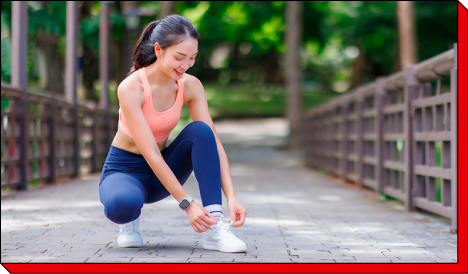
Whether you are training for a race, taking on a new fitness challenge, or simply staying active through everyday life, movement should not feel like something you constantly have to push through.
Recurring heel pain may start subtly, but over time, it can begin affecting workouts, routines, and everyday comfort if ignored or left untreated.
Sometimes, the wiser move is recognising when your body needs more recovery, better support, or a little more attention before a manageable issue becomes harder to ignore.
In some cases, plantar fasciitis can lead to more persistent pain or changes in walking patterns as the body tries to avoid discomfort. Overtime, this may place added strain on other areas such as the knees, hips,or back. When heel pain starts affecting daily movement, exercise routines, or does not improve with rest and supportive habits, it may be worth seeking medical advice.
Greater support for active living
Looking after your wellbeing also means being prepared for the unexpected, especially when injuries, treatment, or recovery periods begin affecting daily routines and healthcare expenses.

For those who are often on the move, protection can help support an active lifestyle with greater confidence. GREAT Protector Active is a personal accident plan that offers coverage and recovery-related support for eligible accident-related events, should the unexpected happen.
GREAT SupremeHealth + GREAT TotalCare
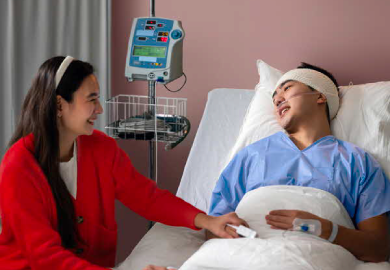
When recovery, specialist care, or unexpected medical needs arise, having the right healthcare coverage can help easesome of the financial worries they may bring. GREAT SupremeHealth and GREAT TotalCare can help provide hospitalisation coverage and reduce eligible out-of-pocket expenses, subject to the policy terms and conditions.

Hospitalisation can bring unexpected day-to-day expenses. GREAT Hospital Cash provides daily cash benefits during eligible hospital stays, helping to ease some of the financial strain during recovery.

As Singapore’s only all-women’s run, the Great Eastern Women’s Run brings together women across different ages, fitness levels, and stages of life through a shared focus on wellness, community, and movement. From competitive runners to first-time participants, the event encourages women to challenge themselves at their own pace in a supportive and uplifting environment.
Beyond the race itself, the run also supports meaningful community causes through partnerships with organisations such as Daughters Of Tomorrow and the Singapore Cancer Society.
Events like the Great Eastern Women’s Run also reflect a broader shift towards more active lifestyles, where preparation, recovery, and suitable footwear play an important role in helping movement feel more comfortable and sustainable over time.



Let us match you with a qualified financial representative
Our financial representative will answer any questions you may have about our products and planning.
