







Take this to heart
Heart attack symptoms look different in women. Don’t miss the signs!
Do you know that heart disease is a top cause of mortality in Singapore? The National Heart Centre Singapore estimates that 1 in 5 Singaporeans have one ormore risk factors associated with cardiovascular diseases1. In fact, almost 1 out of 3 deaths in Singapore have been attributed to a heart attack or stroke2.
As a woman, it’s even more important to listen to your heart. An article from the Department of Cardiology at National Heart Centre Singapore stated that women are more likely to experience heart attacks without chest pains. The inability to recognise subtle symptoms of a heart attack in time could prove fatal, as women are statistically more likely to die of a heart attack than men3.
What does a heart attack feel like for women? Let’s take a closer look at this relatively little-discussed area of heart health. By taking this knowledge to heart, you may be able to save your life or that of your loved ones!
Heart to heart?
If your heart can speak, here’s what it wants you to know about cardiovascular health for women.
Do you know what a ‘heart attack’ means?
Your heart is the most vital organ in your body, responsible for pumping blood and oxygen that your organs and muscles need to function. A heart attack (myocardial funcation) happens when the flow of blood to your heart is blocked by the buildup of fat, cholesterol, or other substances in the arteries. This lack of blood eventually causes the tissue in your heart muscles to die4. Do you know what a ‘heart attack’ means?
Heart attack symptoms in women (and why they’re easy to miss!)
Typically, people experience heart attack as a sudden sensation of pain or tightness in the chest -- but this is not always the case.
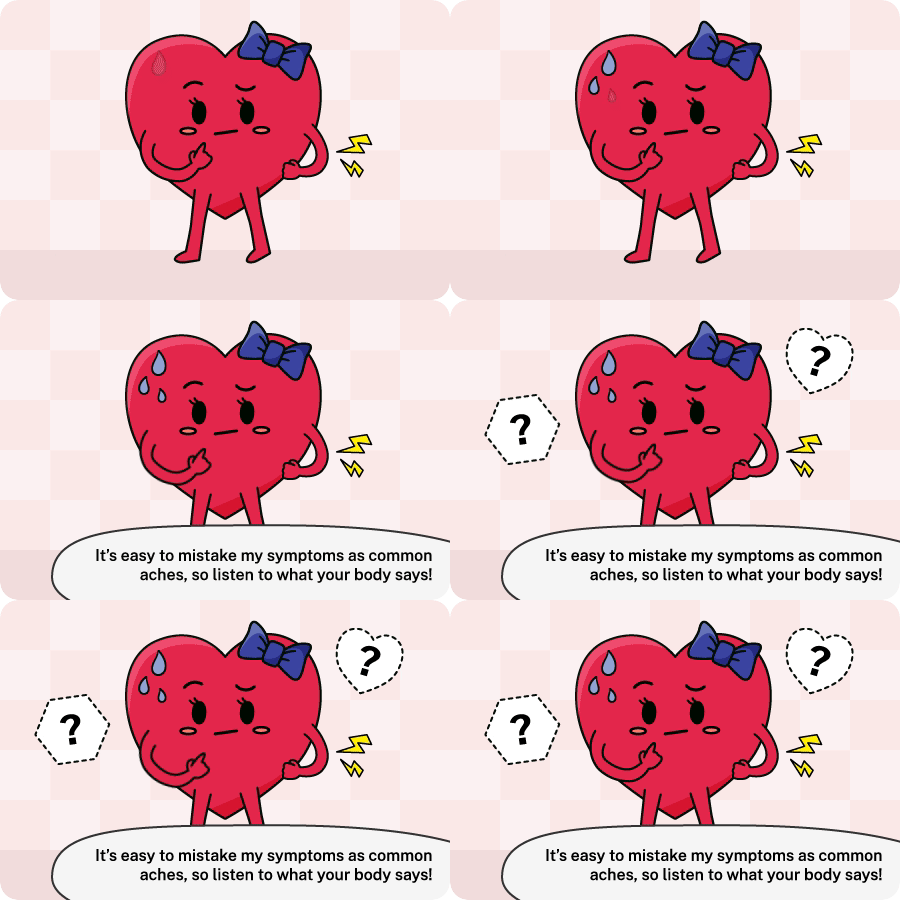
Symptoms of heart attack in women can be subtle and often mistaken as common aches or normal signs of ageing3.
- Shortness of breath
- Nausea or vomiting
- Feeling faint
- Breaking out in a cold sweat
- Pain in the arms, back, neck, jaw or stomach
These signs are less common, but they should not be ignored.
- Heartburn
- Tiredness
- A cough
- Heart flutters (fast-beating, fluttering, or pounding heart)
Giving your heart that loving care
Self-care means giving your heart the maintenance it needs with smarter lifestyle choices.
Eat smart
- Get daily servings of vegetables and fruits
- Limit your daily salt and sodium intake to 2,000mg5
- Avoid high-cholesterol meals, such as fast food
- Avoid sweetened drinks
- Limit alcohol consumption
Exercise well
- Aim to walk 10,000 steps a day6
- Engage in 150 minutes of moderate-to-vigorous physical activity per week
- Make a habit of taking the stairs instead of the lift
- Keep to optimum BMI (between 18.5 – 22.9 kg/m2)8
Felt the symptoms? Don't panic but act swiftly!
- Call 995 for an ambulance.
- Give clear instructions to paramedics on the patient's location, have someone wait at a visible spot, and hold the lift open to save time.
- Chew and swallow an aspirin (if not allergic to it).
- Prepare the patient's personal records. Including personal identification, medical benefit identification, insurance and other documents for admission.
- Seat the patient where she can be transferred easily to a stretcher.
- Provide paramedics with a clear account of what happened.
- Inform paramedics about the patient's drug allergies or past medical history.
Monitor your health regularly
- Get routine health screenings
- Track your cholesterol levels
- Keep your blood pressure low (< 130/80 mmHg)9
Leading a healthy lifestyle will help you to protect your heart, but prevention is only the first step to wellness. To protect your health and finances in the eventof unexpected critical illnesses, you need a comprehensive health insurance plan in place.
For a plan that protects against the top 3 critical illnesses (cancer, heart attack, or stroke), or up to 53 critical illnesses, consider the GREAT Critical Cover Series. Feel at ease with 100% lump sum payout for every critical illness claim at early, intermediate, or critical stage, and boost your coverage with the Protect Me Again rider to receive additional coverage against up to two additional critical illness episodes.
To learn more about ways to protect yourself against heart diseases and other critical illnesses, speak to a Great Eastern Financial Representative.
Sources:
- https://www.nuhcs.com.sg/heart-information/articles/prevention-programme-for-heart-disease#
- https://www.myheart.org.sg/health/heart-disease-statistics
- https://www.healthxchange.sg/heart-lungs/heart-attack/heart-attack-women-symptoms-risk-factors#
- https://www.mayoclinic.org/diseases-conditions/heart-attack/symptoms-causes/syc-20373106
- https://www.healthhub.sg/programmes/nutrition-hub/eat-less
- https://www.healthhub.sg/live-healthy/how-to-get-to-10000-steps-a-day--the-easy-way
- https://www.healthhub.sg/live-healthy/150minutes#
- https://www.myheart.org.sg/tools-resources/bmi-calculator/#
- https://www.healthhub.sg/a-z/diseases-and-conditions/understanding-blood-pressure-readings

Discover all health products


Let us match you with a qualified financial representative
Our financial representative will answer any questions you may have about our products and planning.
