








What happens if you want to 'unretire'?
Wealth-Wise 101: “Returning to work doesn’t always mean returning to a previous career or work arrangement."
For many of us, retirement is a long-awaited goal.
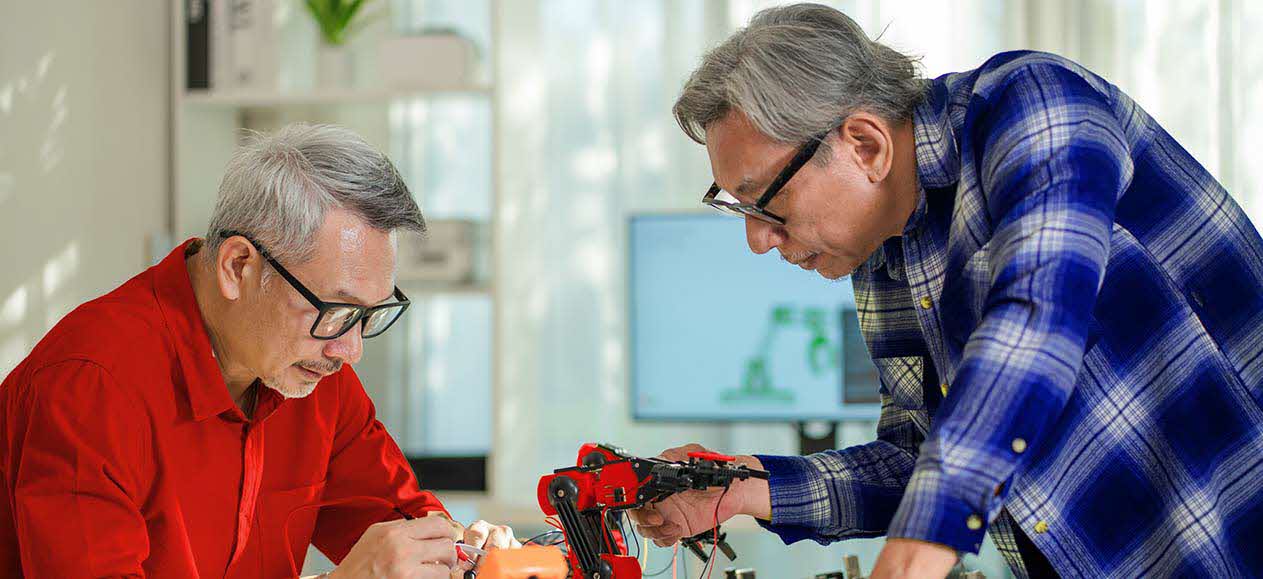
However, there is a growing group of people worldwide who have decided to, or are contemplating, “unretiring” – going back to work after a few years off.
According to one survey done in the US, over 1.5 million retirees rejoined the workforce in 2022, after retiring a few years back.
There have also been some famous personalities who chose to “unretire” in the past include basketball legend Michael Jordan and former Manchester United midfielder Paul Scholes.
Why unretirement happens
According to the same study done in the US, 48% of retirees who chose to rejoin the workforce did so for financial reasons – whether it be due to the rising cost of living, or underestimating inflation, or running out of their retirement savings earlier than planned.
However, a near similar portion (45%) said they were choosing to work again due to the social and emotional benefits.
Those in the second group mostly missed the routine, social interaction, or sense of contribution that working provides.
In a book titled “Unretired: How Highly Effective People Live Happily Every After”, author Mark Walton also contends that traditional retirement often leaves high achievers feeling bored, disconnected and purposeless.
“Returning to work doesn’t always mean returning to a previous career or work arrangement. Many people choose new vocations or part-time work in retirement,” said the earlier report.
“They may explore causes or fields that align with their passions and build on their professional experience, perhaps via consulting arrangements. Others take advantage of remote work, part-time work, or flexible arrangements to achieve a work-life balance that suits their new life stage.”
Can you ‘unretire’ in Singapore?
In Singapore, the statutory retirement age is currently 63, and the re-employment age is 68. This will change to 64 and 69 respectively by July 2026, and to 65 and 70 by 2030.
Nevertheless, it is clear already that more people are working beyond the retirement and re-employment age.
According to data from the Ministry of Manpower, 32.5% of residents aged 65 and over were still part of the labour force in 2024. This number has been climbing every year since 2006, when the figure was just 14.3%.
For residents aged 75 and over, although the figure tends to have more fluctuations year-by-year, it is generally on an upward trend. Before 2019, the number of residents aged 75 and over in the labour force never crossed the 10% threshold; but has since risen to 13.8% by 2024.
Wanting to work and finding a job are of course two separate matters, but there are currently no barriers for anyone who chooses to unretire if they can find employment.
Many Singaporeans in their 60s and 70s are also starting businesses, teaching or volunteering or become mentors and coaches, sharing decades of experience with younger generations.
What it means for your finances
Going back to work impacts more than your schedule. It changes your financial outlook. You might need to reassess your retirement income strategy, especially if you’re receiving payouts from annuities or investment-linked plans.
Your CPF LIFE plan may also need a second look, depending on how your earnings are structured. Working again could offer a chance to boost your savings, insurance coverage, or even delay drawing down retirement funds.
Are you ready, physically and mentally?
Before returning to the workforce, ask yourself: Does this job suit my current energy levels? Does it align with how I want to spend my time?
Unretiring doesn’t have to mean going back to full-time, high-stress roles. Many of the happiest unretirees take on flexible, meaningful work that fits their pace and purpose.
Rebuilding skills and confidence
If you’ve been out of the workforce for a while, it may take some time to readjust. Consider attending short courses, refreshing your digital skills, or reaching out to old professional contacts. The good news? Experience, discipline, and emotional maturity are all highly valued. Especially in mentoring and consultancy roles.
Review your protection plan
As your lifestyle shifts, so should your protection. You may want to increase your coverage, adjust your savings plan, or plan for new goals that come with renewed income.
Speak to a financial representative to review your insurance and investment plans to match your new chapter, so that your unretirement strengthens your overall financial well-being.
Final thoughts
If you see yourself as potentially part of the second group of retirees who will miss the social and emotional benefits that work provides, just remember to plan intentionally when it comes to your unretirement.
As author Mark Walton puts it: “highly effective people don’t stop. They pivot. They design a life that continues to contribute and inspire.”

Wealth Insurance
Includes SRS investment, capital guaranteed, endowment, investment-linked, lifetime payout



Let us match you with a qualified financial representative
Our financial representative will answer any questions you may have about our products and planning.
