
Following the recent announcement by the Ministry of Health on new requirements for Integrated Shield Plan (IP) riders, click here for information on what this means for Great Eastern's medical plans.

Lifepedia – Health insurance – Don't 67 about health

6 fads vs 7 facts for a healthy you

What’s in a six and a seven? Let’s figure out what it means for your health.

20 Jan 2026
Social Share XF
6 fads vs 7 facts for a healthy you

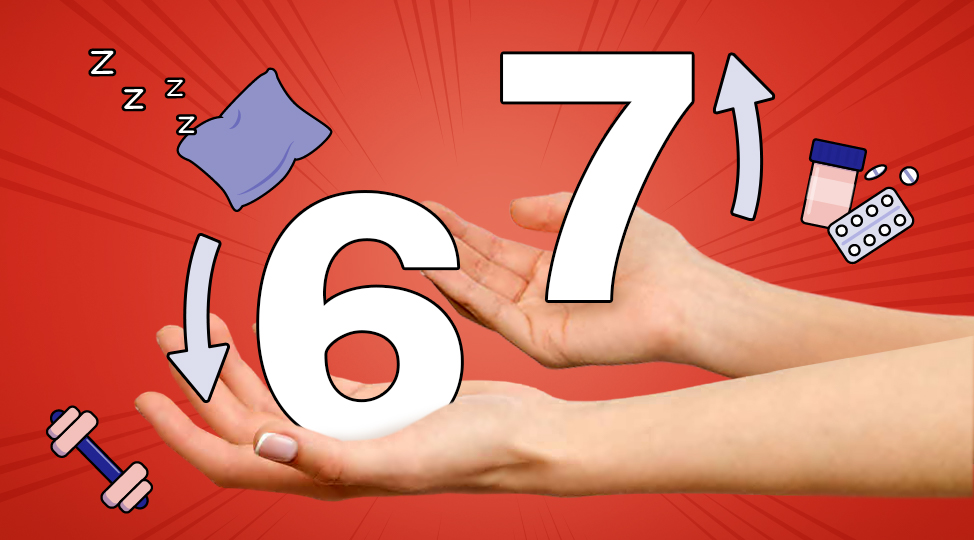
Dictionary.com crowned “67” the word of the year in 2025. What’s so special about this pair of numbers? The answer is a long and complex story thatinvolves viral basketball clips, a trending song, and Internet jokes that spread like wildfire among the Zoomers. But these numbers can also tell ussomething valuable about how to stay fit and fab in the year 2026.

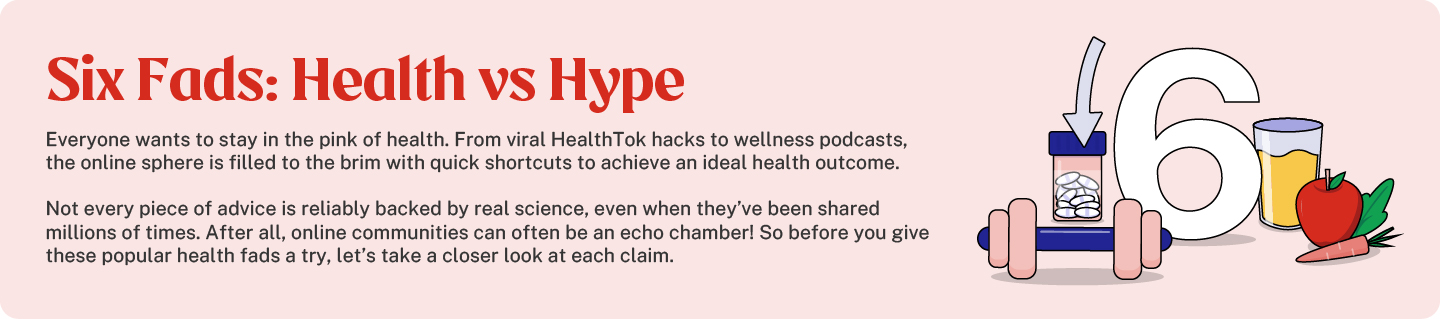
Ready? In this piece, we’ll put six trendy health fads to the test and weigh the buzz versus the benefits. Then we’ll propose seven proven ways to boost your wellness (along with in-depth articles to help you put the tips into practice)!
GE 2450.25 - Great Eastern Lifepedia - Health Trends

The trend: Multi-vitamins. Energy boosters. Wellness packs. Prebiotic powders. Supplement products are lining up pharmacy stores and online shelves, becoming a regular part of a health buff’s morning routine. But is taking more vitamins always better?

Our take: Taken at a recommended dose, a daily intake of vitamins is unlikely to harm your health. The risk comes when you start taking vitamins at a higher dose for a prolonged period without consulting your doctor. Excessive consumption can cause toxic buildup that damages your organs, causing nausea, dizziness, severe abdominal pain, or liver damage in extreme cases1.

While the excess of water-soluble vitamins in your body (such as Vitamin B and C) will naturally be flushed out in urine, fat-soluble vitamins and minerals pile up in your liver and fatty issues, where they can easily build up to toxic levels and lead to overdose symptoms1.

The trend: As processed foods and binge-eating grow out of favour, detox diets become synonymous with a cleaner way of living. Consuming juiced-up fruits is seen as a fast lane to ‘cleansing’ the body and promoting weight loss.

Our take: While a short-term juice diet could be good for the gut, it’s not a sustainable strategy to achieve a healthy weight loss.

Casting aside lean meats, seeds and vegetables from your daily meals will deprive your body from the nutrients it needs to function on a daily basis. For instance, you need mineral iron to keep your energy level up and Omega-3 fats (mainly found in proteins like fish, seeds, and nuts) to reduce your risk of chronic diseases2.

If your goal is weight loss, a juice-heavy diet could also prove counter productive: juices made from fruits are intensely high in sugar, potentially leading to a spike in cravings2.

The trend: Fuelled by ‘hustle warrior’ culture and the boom of high-intensity fitness classes, a new wave of fitness influencers are encouraging people to take their workout routine up a notch. Workout challenges like #75Hard, a 75-day challenge which involves a strict lifestyle regimen and two 45-minute daily workouts, have been going viral on online fitness communities3.

Our take: Taking the hardcore route to exercising isn’t always the smartest path as it could lead to injuries or mental burnout. Joining aworkout trend where you can see the progress other people made can be inspiring, but don’t push yourself too hard to keep up. Modify thepace and intensity of your training to suit your personal lifestyle and your fitness level. Learn to enjoy the journey rather than racing for a quick outcome.

Need an idea? For a beginner-friendly alternative to #75Hard, give the 75 Soft Challenge a try4. This lighter spin on the original workout module focuses on 4 key activities: eating healthy, training 45 minutes per day with one rest day a week, drinking 3 liters of water a day, and reading 10 pages of any book daily.

The trend: From the caveman diet that focuses on lean meats, to the 10-day egg diet that maxes up protein intake and cuts off all carbs, a growing number of TikTok diets promise quick fixes to transform one’s body with minimal lifestyle changes.

Our take: Rapid weight loss without a meaningful lifestyle change rarely lasts. Rather than offering a speedy route to losing a few kilos, going on an extreme diet could starve your body, leading to severe malnutrition or eating disorders. When it comes to staying fit, slow and steady is the way to go. Balanced meals, regular exercises, and getting seven to nine hours of sleep a night is the better way to stay in shape.

The winning formula? Make small changes, and make it last. Focus on simple steps you can do to introduce positive habits into your life, whether it’s going for morning walks, cutting down on your sugar intake, or reducing your digital screen hours at night.

The trend: In today’s always-on culture, getting a good sleep is more than just a matter of everyday routine — it is a necessity to maintain mental clarity in a noisy world. Gen-Z is leading the charge on the sleep revolution with all kinds of tricks to aid a good rest, from bedtime smoothie recipes to the use of mouth tape to reduce snoring.

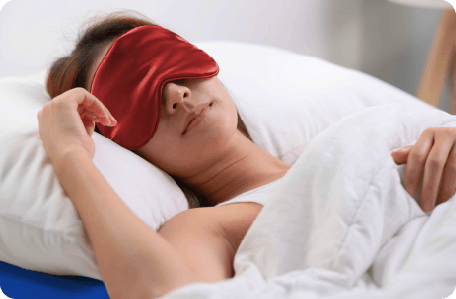
Our take: Getting a good snooze is always a plus, but external sleeping aids may come with unexpected downsides. For example, while taping your mouth might reduce the likelihood of snoring and filter out allergens going to your lungs, this method risks heightening your anxiety or making breathing more difficult5. The most effective sleeping aids are often the simplest (and they don’t cost a thing!). Finishing your meal two or three hours before bedtime and turning off digital screens (including your phone notifications) at least an hour before you snooze will prime your body for an optimal resting state. Wearing cool, loose clothing that keeps your body temperature low will also help with temperature regulation while you’re asleep.

The trend: From blue light glasses to sleep earbuds with biometric sensors, wearable wellness devices are flooding the market, promising avariety of health benefits for wellness enthusiasts6. Are these futuristic gadgets the future of health or just another form of mindless consumerism?

Our take: The main principle of biohacking is simple: with a few smart tweaks to your lifestyle, you can influence your genes to enable you tolive better, longer, and healthier.

The good news? You don’t need pricey wellness gadgets to achieve this goal. All you need is a commitment to making small, positive changes in multiple areas of your everyday life, from how you eat, sleep, exercise, to how you train your brain7. Simply put, your long-term well-being doesn’t depend on the products you wear today, but the habits you set for the months, years, and decades to come.

67 healthtok wellness podcasts health tips
Declutter your brain
Read more
Declutter your brain
Your brain is like your bedroom. When junk proteins get clogged up, your brain might have trouble forming and retaining new memories over time. Maintaining an optimal sleeping habit from a younger age will help you minimise the risk of dementia in your older years.
Let us match you with a qualified financial representative

Our financial representative will answer any questions you may have about our products and planning.

 

Request Callback

How can we help you?

Your last Servicing Representative will contact you.

Thank you

Your submission has been sent successfully.

Ok

Error

Your submission has failed. Please try again.

Ok