





Where did the year go
How memory, routine and new experiences may shape our sense of time.

Key takeaways:
- Why children and adults can experience time differently
- The role attention, memory, routine and time pressure may play in how quickly time seems to pass
- Ways to make room for new experiences and greater presence in everyday life
- How year-end can be a useful time to build healthier habits and review your plans for the future
It feels like we were just welcoming in the new year. Somehow, we are already getting ready to say goodbye to it.
If you have found yourself wondering where the months went, you are hardly alone. Many of us find that a year can feel surprisingly short as we get older.
It was not always this way.
Think back to childhood. Waiting for your birthday could feel endless. The school holidays seemed to stretch on forever. Even the week before a family trip could feel impossibly long.
The clock has not changed since then. A minute is still 60 seconds. A year still has 12 months.
So what has?
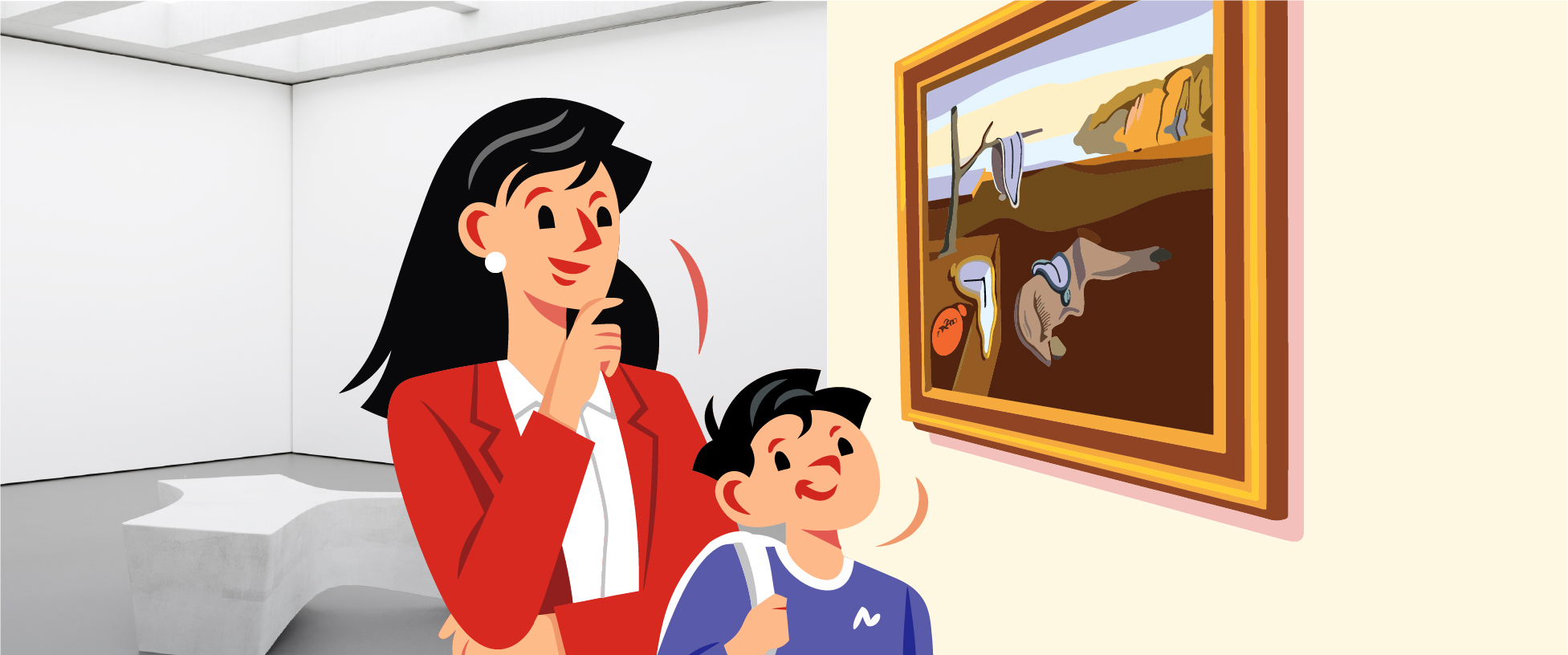
Time is not only something we measure. It is something we experience.
How long something feels can depend on what has our attention, what we remember and what is happening around us. In other words, two periods of exactly the same length do not necessarily feel the same to us.
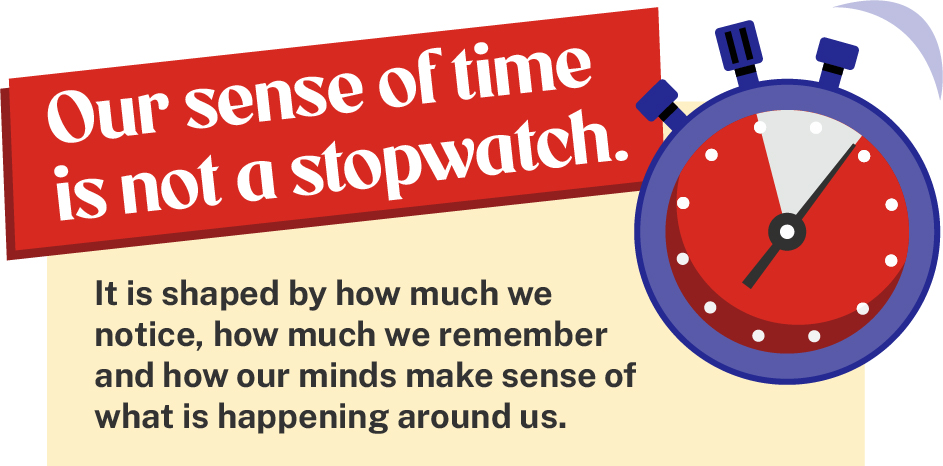
The way we judge how much time has passed also changes with age. Children tend to become more precise at judging duration as they get older, with changes in attention and memory also playing a part.
Children and adults may also rely on different cues when deciding how muchtime has passed.
In one experiment, preschool children, school-age children and adults watched two videos. Both were exactly one minute long. One was eventful, while the other was less eventful.
The youngest children tended to judge the eventful video as longer than the less eventful one. The school-age children and adults, however, tended to judge the less eventful video as longer. In other words, different age groups appeared to rely on different cues when judging how much time had passed.
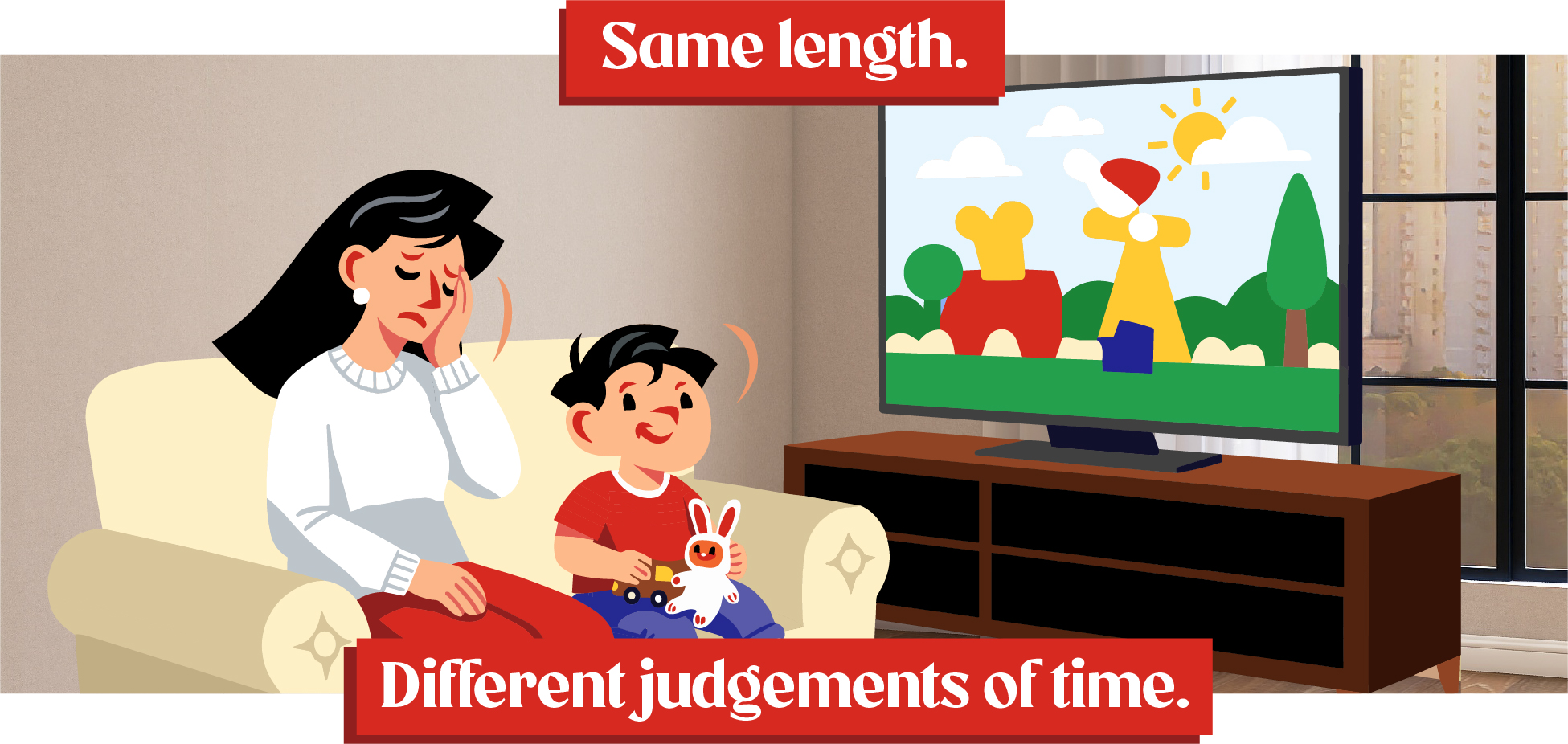
It does not mean that children literally live through longer minutes than adults. But it does tell us something fascinating: the way we judge the passage of time can differ across stages of life.
Childhood comes with a lot of firsts
There may also be another reason childhood can feel so expansive when we look back on it.
Almost everything is new: Your first day at school. Your first flight. Learning to swim. Trying a food you have never tasted. Visiting somewhere you have never been.

By adulthood, much more of life is familiar. We know the route to work, what Monday mornings feel like and how the evening routine usually goes.
Routine may be one piece of the puzzle. Familiar stretches of time can seem shorter when we look back on them than periods with more variation.
Perhaps that familiar feeling of asking, "Where did the year go?" is not simply about getting older. It may also have something to do with how much of life has started to feel familiar.
Still, there is probably no single reason a year can seem to disappear. Routine, memory, attention and how meaningful a period feels may all play a part in how quickly it seems to have passed.
And age may play a smaller role than many of us assume.
When nearly 1,900 adults aged 16 to 80 were asked how quickly time seemed to pass, differences between age groups were small for everyday time. They became more noticeable when people looked back over the previous 10 years, with how rushed or pressed for time they felt also playing a role.
Time itself does not move faster as we get older. But familiar routines, feeling rushed and the way we remember longer stretches of life may all help explain why it can feel that way.

Give your year more to remember
If life has slipped into cruise control, there may be something worth while about occasionally changing the view.
Take a different route through a familiar neighbourhood. Learn something youhave always been curious about. Pick up an instrument. Say yes to an invitation you would normally turn down.
The experience does not have to be dramatic to be new.
Trying something new may offer benefits beyond breaking up the routine. In one study of older adults, learning demanding new skills such as digital photography and quilting was linked to improvements in memory compared with less mentally demanding activities.

And sometimes, doing less helps us notice more
It can be as simple as paying more attention to the life that is already happening.
A coffee without scrolling through your phone. A walk where you notice what is around you. Dinner where the conversation gets your full attention.
Breaking the rhythm once in a while, or simply giving something your full attention, can stop one day from blending quite so easily into the next.
And look a little further ahead
Living well today also means thinking about the years still to come.
Planning ahead can help give you more confidence to enjoy the present while preparing for what may come next.

That could mean reviewing whether your protection still reflects where you are in life, especially if your responsibilities have changed. GREAT Life Advantage 4, for example, is a whole-of-life investment-linked plan that allows you to increase your coverage at selected life milestones, subject to the plan's terms and conditions.
Health coverage is another part of the picture. GREAT SupremeHealth is a MediSave-approved Integrated Shield Plan that enhances MediShield Life coverage, while GREAT TotalCare 2 is a supplementary plan that can help reduce out-of-pocket expenses by partially covering co-insurance and the deductible.
Looking further ahead, you may also want to think about what you want your later years to contain, not only when you want to stop working. GREAT Retire Income helps you build regular savings towards retirement, with options for when your monthly retirement income begins.
Whatever stage of life you are at, year-end can be a useful moment to look beyond how quickly the months have passed and ask a different question:
What would make the years ahead feel well lived?
Maybe it is something new. Maybe it is more time for the people who matter. Maybe it is feeling more prepared for what comes next.
Another year will pass. The aim is not to make it move more slowly.



Let us match you with a qualified financial representative
Our financial representative will answer any questions you may have about our products and planning.
