








In it for the long row
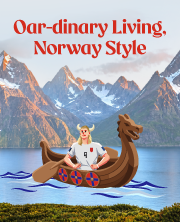
Erling Haaland and the Viking Row put Norway in the spotlight at the 2026 FIFA World Cup. But beyond football, the country’s approach to nature, food, community and the future offers a few ideas for living well over time.
Key takeaways:
- What Norway’s everyday approach to living well can teach us about making healthier, more sustainable choices over time.
- How ideas around community, preparedness and planning can translate into everyday life in Singapore.
- Why small steps today can help us feel better prepared for our health, finances and future care needs.
For a few weeks this year, one of the tournament’s most memorable sights was not a goal, but thousands of people sitting on the floor, pretending to row a boat.
Norway’s fans called it the Viking Row. Supporters crouched in lines, grabbed imaginary oars and moved to the same rhythm as the chant grew faster and faster. From stadiums and train stations to Times Square, it turned almost any gathering into a temporary longship.
Despite its name, the Viking Row is not an ancient ritual revived for the World Cup. It was created in 2026 by Norwegian football supporter Ole Frøystad before catching on with fans and players during Norway’s run through the tournament.
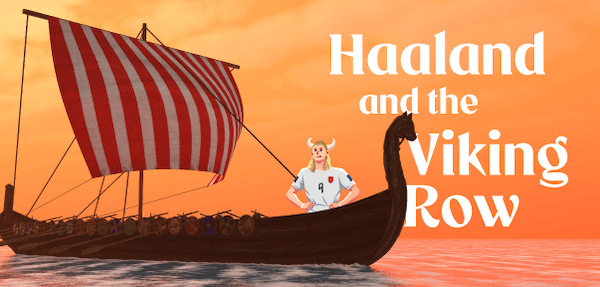
The Viking Row did not capture attention on its own. It helped that Norway had a compelling main character. Haaland’s goals commanded attention, while his playful posts, memes and self-deprecating streak drew in plenty of people who had never much followed football. Interest soon travelled beyond the player and the tournament too, as Norway-related online searches and travel interest rose during the World Cup. Together, Haaland and the Viking Row made Norway one of the tournament’s most talked-about stories. They also offered an unexpected starting point for looking beyond football to everyday life in the country.

Some of these ideas may feel surprisingly familiar

No place in Norway's starting eleven required

No scandinavian passport needed

In Norway, making the outdoors part of everyday life has a name: friluftsliv (pronounced free-loofts-liv).
Often translated as “open-air living”, it can mean skiing or hiking through mountain landscapes, but it can just as easily mean walking the dog, picking berries or spending an unhurried afternoon in a hammock.
Access to nature is even written into Norwegian law. The Outdoor Recreation Act gives people the right to roam across much of the countryside, including some privately owned land, so long as they treat the surroundings with care.
Singapore’s version might be a loop around the nearest Park Connector, a morning at MacRitchie before the midday heat arrives or a walk along the Southern Ridges. It could just as well be lunch outside or taking the slightly longer route home when time and weather permit.
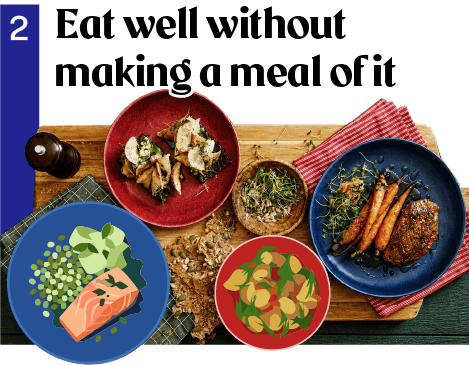
Mention Nordic food and the mind may wander towards smoked fish, dark rye bread and berries gathered somewhere suitably photogenic.
Norway’s official dietary guidance is more down to earth. It encourages avaried diet made up mostly of plant-based foods, including fruit, vegetables, whole grains, beans and lentils, alongside choices such as fish and seafood.
It also recognises that food is not only about nutrition. Pleasure, culture and the simple act of sharing a meal matter too. Recreating a Nordic menu at home is hardly necessary. A few balanced choices can fit into what is already on the plate.
In Singapore, that might mean giving vegetables a little more room on the caipng plate, choosing steamed fish or tofu now and then, keeping fruit within reach or opting for a familiar whole grain choice when it is available.
No superfood hunt required. No need to forage for lunch.
The emphasis on enjoying food together feels familiar too. We already have the makan table, the shared dishes and the meal that somehow runs long because nobody is quite ready to leave.
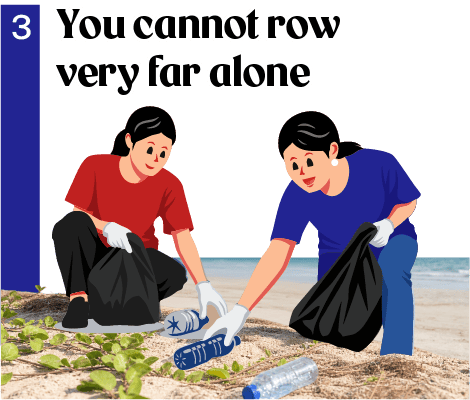
The Viking Row works because everyone moves together. One person’s movement may be simple, but a whole crowd finding the same rhythm creates something much bigger.
Norway also has a concept rooted in shared effort: dugnad (pronounced DOOG-nahd), or voluntary work carried out for a common purpose. That might mean neighbours maintaining shared spaces, parents helping at schools or sports clubs, or volunteers looking after hiking trails and cabins.
That sense of community may take a different form in a city like Singapore. Group chats, neighbourhood pages and interest-based communities can help people exchange advice, rally around a cause or keep one another going.
It need not involve a large community either. Sometimes, support is simply a friend who keeps the weekly walk from falling off the calendar, a family member who shares the load or a partner who works through a longer-term

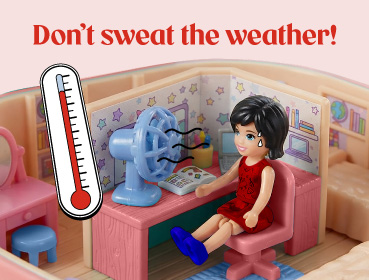
Norway’s outdoor culture comes with a well-worn saying: there is no such thing as bad weather, only unsuitable clothing.
Some weather, of course, is perfectly capable of ruining the afternoon. Still, the thinking behind the saying makes sense: we cannot control every change in conditions, but we can consider how ready we are to meet it.
Life has a habit of changing the forecast too.
Healthy routines can support our wellbeing, but they cannot prevent every accident, illness or unexpected expense. Being prepared might also mean setting aside some emergency savings and knowing what medical support is already available through work or national schemes. It may be worth checking whether existing health, hospitalisation or accident coverage still suits your current needs and budget.
Living well and preparing for the unexpected do not have to sit at opposite ends of the plan. Both can be part of looking after ourselves over time.

One of Norway’s clearest expressions of long-term thinking is its Government Pension Fund Global.
The fund invests revenue from Norway’s oil and gas resources with a long-term aim: allowing both current and future generations to benefit from the country’s petroleum wealth.
Most of us are not managing a national fund. Our household budgets do not tend to come with oil revenue either.
Norway’s approach is not a model for how individuals should invest. What feels more relevant is the willingness to look well past the immediate moment.
The future rarely sends a push notification. This month’s bills usually do.
That can make longer-term priorities such as retirement, supporting ageing parents, a child’s education or leaving something for the next generation, easy to postpone while immediate expenses demand our attention.
Making room for them may begin in relatively ordinary ways: putting aside an amount regularly, separating money for different purposes or revisiting plans as life changes.
Across outdoor living, food, community, preparedness and planning, small choices can add up over time. Some of those choices are also about preparing for what may lie ahead.
That may include healthcare, longer-term financial goals, and changing care needs.

Plan for healthcare needs
Healthy habits can help build a strong foundation, but they cannot account for every medical need or hospital stay.
Those reviewing their medical and hospitalisation coverage may consider GREAT SupremeHealth with GREAT TotalCare 2. GREAT SupremeHealth is a MediSave-approved Integrated Shield Plan that complements MediShield Life, while GREAT TotalCare 2 is a supplementary plan designed to help reduce selected out-of-pocket medical expenses, subject to the relevant policy terms and conditions.

Give future goals room to grow
Longer-term goals can sometimes be overshadowed by the commitments directly in front of us.
GREAT Wealth Multiplier 3 is a participating endowment plan with regular and single-premium options for those considering an insurance-based approach to wealth accumulation or planning for future generations.
Its suitability will depend on personal goals, financial circumstances, liquidity needs and time horizon.
Preparing for changing care needs
Living longer can bring more possibilities, along with care needs that may evolve over time.
GREAT CareShield is a MediSave-approved supplementary plan to CareShield Life or ElderShield. It provides additional long-term care coverage in the event of disability, subject to the relevant policy terms and conditions.

Let us match you with a qualified financial representative
Our financial representative will answer any questions you may have about our products and planning.
