








A Daughter’s Journey: Caring for a Parent with Dementia in Singapore
The Road to a Diagnosis: Early Signs of Dementia and Challenges
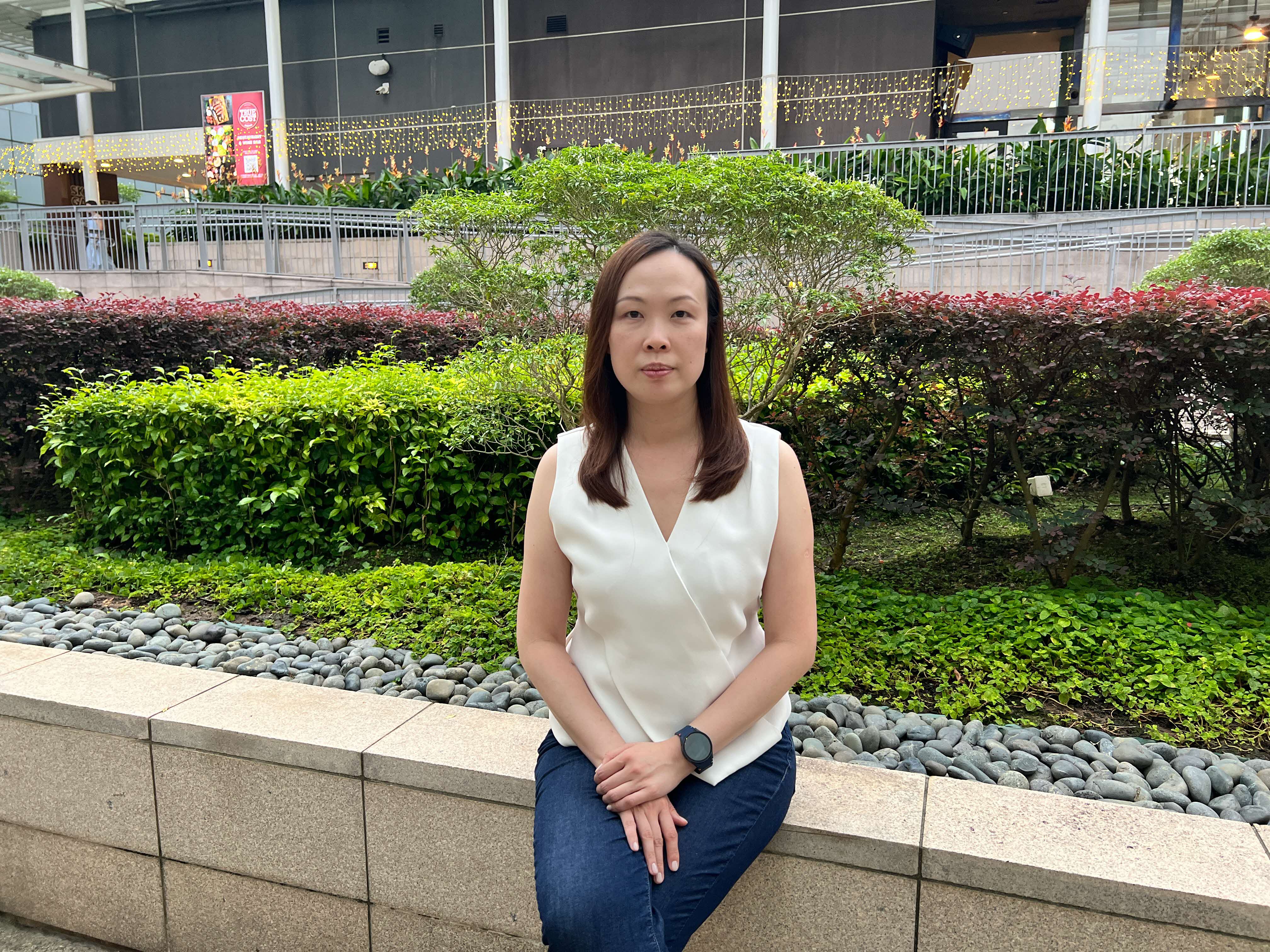
This article offers a heartfelt look at the realities of caring for a loved one with dementia, told through the experiences of a daughter. It draws on an interview with Irene Goh, a 43-year-old professional from Singapore, who shares her personal journey of dementia caregiving with raw honesty and warmth.
In Singapore, 1 in 10 people above the age of 60 suffers from dementia1, and this number is projected to rise significantly by 20302. With the increasing prevalence of dementia in Singapore, stories like Irene’s offer not only insight but also comfort and solidarity for other caregivers navigating this journey. We hope her story provides a sense of community for those on a similar path and offers comfort and insight for families who may one day face this challenging and life-changing experience.
Key Takeaways
- Dementia doesn’t just affect one person. It changes how families live, connect, and care for one another. It is a long, emotional journey, often filled with small wins, fatigue, and the need for emotional and financial support
- Recognising the early signs of dementia can make a difference in preparing for care needs
- Small home adjustments like shower chairs, chairs with trays, and bed pads can greatly reduce risks and stress
- Seeking outside help (day care centres, counsellors, physiotherapists) can preserve both the caregiver’s and the patient’s well-being
- Having adequate coverage like a comprehensive whole-life participating plan or a long-term care plan for your parents or yourself, can help manage financial uncertainties
Irene Goh's journey as a caregiver for her mother, who has dementia, is a mix of unexpected challenges and meaningful moments. While she works a full-time job and a helper is with her 77-year-old mother most of the time (except for her off-days on Sundays), Irene's role remains significant and deeply emotional. Previously, her mum stayed with her younger brother, but currently, her mum lives with Irene, her husband, and the helper, creating a support system for the entire family.
The Road to a Diagnosis: Early Signs of Dementia and Challenges
Q: When did the first signs of dementia start, and what were they?
A: About seven years ago, or even more, we noticed very subtle signs. A polyclinic doctor did a very brief assessment and said it could be due to normal ageing. As the signs weren't serious, it did not trigger any further assessment.
She would forget where she placed things, like her cash. She would say, “I have cash here, but I can’t remember where I put it. It’s not here anymore.” These were the initial signs of dementia.
Then COVID happened, about five years ago. I think that made the situation worse as she couldn’t go anywhere. Then, she was living with my younger brother. He was protective of her, so he would do all the grocery shopping, and all that.
Q: What were the symptoms then?
A: She gets agitated easily. There were a few occasions when she fainted at home, which my brother discovered when he returned home from work. So we installed a CCTV camera to keep track of her movements, to make sure she’s moving around the house.
Through the CCTV, I noticed she couldn’t do things by herself, like switching TV channels. Sometimes she would press the wrong button, and the screen would go blank, and I noticed that she didn’t know how to get the channels back on. We had to guide her step-by-step and tell her which button to press.
She could still make simple meals, as it’s part of her routine. So, she was just going through the motions. There were a couple of occasions where she put the wrong things in her mouth to eat. She thought it was chocolate or jelly, but it is not. So, she ended up falling sick because of that.
The Emotional and Practical Realities of Dementia Caregiving
Q: How did you feel when your mum was first diagnosed with dementia?
A: To be honest, we didn’t think too much about it. I wasn’t as close to my mum back then. I figured that she can manage it somehow. If anything, I will give her a call and guide her along, like how we did for the TV remote control. There was a time when my younger brother got home and noticed her lying down in an awkward position. He took her to the hospital and that’s when we realised that she fractured her hip. When we asked her what happened, she doesn’t know. Then, we realised that she couldn’t be left alone anymore.
Q: Would you know what stage of dementia at this point?
A: It’s still a mild stage of dementia. She can still eat by herself, and if you’re patient and give her enough time, she can still wear clothes herself, like t-shirts, tops without buttons.
Q: After the diagnosis, what’s the daily routine for you and your helper?
A: For the helper, it’s about making sure my mum follows a daily routine. Wake up, wash up, give her the first round of medication before breakfast. After breakfast, there’s a second round of medication. The helper must eyeball her to make sure she takes her medication, as I discovered that my mum once hid the medication in her bag.
Before they started going to daycare, it was free and easy for them. Back then, we had physiotherapists coming once a week to do simple exercises with her. From there, my helper will do some simple exercise with her.
One thing about dementia patients is that they are very much like small kids. If they don’t want to do something that day, you can't force them. They will kick up a fuss and throw tantrums like a kid, and unfortunately, my helper can’t pacify or discipline her in any way. My husband always says I'm the only one she's scared of. When I'm at home, she is the perfect student.
Q: Has there been any particularly difficult days or moments?
A: It’s difficult when my mum is sick and can’t verbalise how she's feeling. A lot of times, we have to prompt her. So, she might be scratching somewhere, we'll ask, “Is it itchy here?” and she'll say, “A bit itchy.”
It’s simple things like that. Let’s say, she’s coughing, and we ask her, “Are you not feeling well? Where are you not feeling well?”. Then she can’t verbalise. She’ll say, “Oh, no. Nothing, nothing. It’s okay.” I wouldn’t say it’s a particularly difficult day, but maybe a moment.
There are some difficult moments as a dementia caregiver, where sometimes I want to take a break, to go out with friends on a weekday. Then it’s just my mum and helper at home. We had to come up with a way to secure my mum’s special chair that has a tray in front, and tie it and secure it to something, so she doesn’t climb out, as she knows how to open the tray and climb out.
Otherwise, if I’m not home and the helper needs to take a shower, within that half an hour, anything can happen. So, those are the difficult moments in our daily life.
Q: Does she sit quietly when you secure her in the chair? Or does she make a fuss?
A: She does. So far, when I secure the chair, she doesn’t object or yell at me. But she does that a lot with my helper.
Q: Has your relationship with your mum changed now that she has dementia?
A: She has been staying with my husband and I for slightly over three years. So, we do spend more time together. I see her every day in that sense. Yes, we are closer in a way.
Sometimes I do get frustrated. To begin with, I'm quite short-tempered. After I scold her, I feel very, very guilty. Those are the challenges we face as caregivers.
Q: What’s the toughest thing now that she’s living with you?
A: Keeping a balance for everybody, not just for myself and my mum. The helper faces her every day, like almost every hour. My husband has to deal with it as well. When my mum yells when I’m not at home, he has to deal with it. Then when I come home and sometimes scolds my mum, he has to deal with that too.
The most difficult episode is when my mum had a minor stroke in early 2024, shortly after she recovered from COVID sometime December 2023. She was showing very weird body actions for the whole day, but it was only when I was having dinner, my helper texted me to say that something is not right with Ah Ma. But it was going on the whole day already.
I felt guilty because I kept telling myself that if I had checked the CCTV and watched closer earlier, we might have caught on to something. So far that is the most difficult episode for me, because in a way, I still feel that guilt until today. That’s also why I now check the CCTV quite a lot throughout the day.
Q: It’s a lot of mental strain for you as well. How do you deal with it?
A: I went to see counsellors for a year plus. Back then, I just joined a new company, and with the new challenges, it didn’t help. After getting used to everything, I feel like I have more control over everything that’s happening. I am just getting by, day by day now.
Q: Are these community-based counsellors?
A: They are private counsellors. I searched online to see what kind of support is available and tried. The first counsellor I found. It was quite good, and I was quite lucky as I could connect with her as well. I went for two to three sessions and subsequently, I found another counsellor. So, it was through my own research, and trial and error.
Q: Apart from guilt, are there other emotions that you go through, that could also help readers?
A: Tired, you will feel very tired. It’s easy to say, but we have to put into actual practice and keep reminding ourselves that it’s okay to feel tired, and have to know how to ask for help.
The Unseen Costs and Final Reflections
Q: Are there any unexpected or hidden costs that people should be aware of?
A: Besides having a helper, the medication is a monthly cost. Some additional expenses are the disposable bed pads that we place on her bed. There are some nights that she will sleep very well through the night, and she will pee in her diapers. So, diapers and bed pads, these are necessities. We also made sure to have a proper chair for showering. It’s a proper chair with support and a good base, to make sure that it’s stable on a wet floor. We bought it online, so the cost is not as high.
Q: Do you have any advice for others who are also caring for a parent with dementia?
A: It's a very long journey, and nobody ever tells you that. Nowadays in Singapore, we talk a lot about support for new parents as we want to encourage people to have kids. But nobody really speaks about people who are taking care of elderly parents, and of course, those with dementia parents.
You hear of parental leave, childcare leave and things like that. But there’s no “parent leave”. I’m fortunate enough to be able to work and afford a helper. But for those who cannot afford to hire a helper, what is going to happen?
They cannot work because there needs to be somebody to supervise the elderly the whole day. But I’m sure there’s some form of support for them. It’s just that the “sandwich class” like us, although we have a helper, we still need to work. But what happens if my mum is hospitalised, and the number of leaves I have might not be able to support me through the whole hospitalisation. So, it’s a long journey, and the support for raising kids is the same as taking care of elderly parents.
Closing Thoughts: Lessons from the Caregiver’s Journey
Irene’s story reminds us that dementia not only changes the life of the person affected but deeply impacts the family. It teaches lessons in patience, resilience, and the importance of support systems. Family remains the cornerstone of care, and through love and perseverance, dementia caregivers like Irene navigate the difficult path of dementia with courage.
In Singapore’s aging society, understanding and supporting families dealing with dementia is crucial. Insurance, healthcare, and community resources can play a critical role to ease the burden. Above all, striking a balance between caregiving and self-care is essential for sustaining this lifelong journey.
To learn more about how you can prepare financially for long-term care and the unexpected costs that may arise, you may find the following resources helpful:
- Dementia Cover for Parents
The GREAT Life Multiplier is a comprehensive whole-life plan that lets you multiply coverage of the base plan and add-on critical illness riders by up to 10 times.
A key highlight is the optional Parent Care Rider which offers your parents guaranteed coverage (terms and conditions apply) for age-related conditions3 such as Alzheimer’s Disease or Severe Dementia, Idiopathic Parkinson’s Disease or Major Head Trauma. No health check needed.
- Long-term Care Cover for Self or Parents
GREAT CareShield is a MediSave-approved supplementary plan which supplements Singapore’s national long-term care insurance (CareShield Life/ElderShield). It provides a lump-sum Initial Benefit4 when you are unable to perform one out of six Activities of Daily Livings (ADLs)5, and this Initial Benefit is payable again upon future occurrence of disability from a different and unrelated cause. Additionally, this plan provides monthly payouts6 starting as soon as you are unable to perform one out of the ADLs.
A Quick Guide to Dementia Caregiving
- Seek an early diagnosis
The initial signs of dementia can be subtle. Track any changes in behaviour or mobility, as early diagnosis is key to understanding the condition and planning for the future.
- Establish a strong support network
This could include your spouse, siblings, friends, or even a professional caregiver. You don’t have to do this alone.
- Prioritise your own mental health
It’s okay to feel overwhelmed and to ask for help. Consider speaking with a counsellor to process your emotions and arrange for respite care or day care programs. You may also consider caregiver support groups.
- Create a routine and set up a safe environment
A predictable routine can provide comfort to the dementia patient. Use CCTV to monitor their movements and ensure the home is free of hazards to prevent falls or accidents.
- Acknowledge the emotional journey
It’s a long road. Be patient with your loved one and with yourself. The feelings of guilt and frustration are normal.
- Plan for dementia caregiving costs
Research and budget for things like medication, specialised equipment, disposable supplies, and additional care services. Caregivers can explore long-term care coverage to pre-plan for future long-term care needs.
Support resources for dementia caregivers
If you suspect that you or someone you know may have dementia, consult your family doctor or request a referral to a specialist. You can receive a diagnosis at one of the public hospitals’ memory clinic.
Learn more about the resources available at HealthHub, the national platform for digital health that can be conveniently accessed by Singapore residents. For example, you may look for caregiver support groups in Singapore here.
Footnotes
1. The Straits Times. One in 10 people over 60 have dementia, new Singapore study claims. Published 25 March 2015.
2. Health Promotion Board. Let’s talk about Vascular Dementia. HealthHub. Retrieved August 14, 2025.
3. Excluding pre-existing conditions. Other terms and conditions apply. Please refer to the product summary and policy contract for details.
4. Subject to Deferment Period. The Initial Benefit is a lump sum payment equivalent to 3 times of the Monthly Benefit. In the event the Life Assured fully recovers from the disability, the Initial Benefit may be payable again for subsequent episodes of inability to perform at least 1 ADL. However, it is not payable if such subsequent disabilities arise from or are related to the cause of disability(ies) for which there was a previous claim for Initial Benefit.
5. The 6 Activities of Daily Living (ADLs) are: washing, toileting, dressing, feeding, walking or moving around and transferring.
6. Subject to Deferment Period. Payouts of Monthly Benefit are payable for as long as the Life Assured suffers from the applicable number of disabilities, up to a lifetime.
Disclaimer
Terms and conditions apply.
This advertisement has not been reviewed by the Monetary Authority of Singapore. The information presented is for general information only and does not have regard to the specific investment objectives, financial situation or particular needs of any particular person.
As buying a life insurance policy is a long-term commitment, an early termination of the policy usually involves high costs and the surrender value, if any, that is payable to you may be zero or less than the total premiums paid.
GREAT CareShield can be purchased by CareShield Life or ElderShield policyholders. All Supplements are regulated under the CareShield Life and Long-Term Care Act 2019.
This is only product information provided by us. You may wish to seek advice from a qualified adviser before buying the product. If you choose not to seek advice from a qualified adviser, you should consider whether the product is suitable for you. Buying health insurance products that are not suitable for you may impact your ability to finance your future healthcare needs. If you decide that the policy is not suitable after purchasing the policy, you may terminate the policy in accordance with the free-look provision, if any, and the insurer may recover from you any expense incurred by the insurer in underwriting the policy.
This policy is protected under the Policy Owners’ Protection Scheme which is administered by the Singapore Deposit Insurance Corporation (SDIC). Coverage for your policy is automatic and no further action is required from you. For more information on the types of benefits that are covered under the scheme as well as the limits of coverage, where applicable, please contact us or visit the Life Insurance Association (LIA) or SDIC websites (www.lia.org.sg or www.sdic.org.sg).
Information is correct as of 8 September 2025.

Discover all health products



Let us match you with a qualified financial representative
Our financial representative will answer any questions you may have about our products and planning.
