








How immunotherapy outsmarts cancer cells
Defeating the hidden enemy in your body
Key takeaways:
- Immunotherapy presents a major breakthrough in cancer care, improving survival rates and enabling some patients to live longer.
- Unlike traditional cancer treatments that aim to destroy cancer cells directly with powerful drugs, immunotherapy ‘recruits’ the body’s own immune system, particularly the T-cells, as the ultimate fighter against cancer.
- Despite promising results, immunotherapy is not a one-size-fits-all cure, and the success of treatment depends on a complex set of factors, including the patient’s health profile.
- To prime your body for immunotherapy and minimise potential side effects, be sure to review your vaccines and medications, manage your nutrition, and adopt healthier habits.

Cancer is a leading cause of mortality in Singapore, but vast advancements in cancer therapies have made the threat more manageable. One major breakthrough in this new frontier of cancer care is immunotherapy, a therapeutic treatment which primes the body’s natural defences against cancer cells.
The potential of this therapy has been studied for decades, but it gained prominence in 2011, when a child with aggressive leukaemia was declared cancer-free after receiving an experimental Chimeric Antigen Receptor (CAR) T-cell treatment. This outcome, among other promising cases, has made immunotherapy a subject of increasing interest in cancer research.
Today, specialised treatments like immunotherapy have the potential to improve the landscape of cancer care, enhancing survival rates and enabling patients to live longer. In select cases, immunotherapy has made it possible to achieve recovery without the intervention of surgery or chemotherapy.
While immunotherapy is poised to play a key role in the fight against cancer, it is not a one-size-fits-all cure, and outcomes can vary greatly. Every patient has a unique health profile, and undergoing this therapy carries potential side-effects. What should you consider as you weigh the risks and benefits of this treatment? Let’s take a look.
Meet your immune system's power players

1. White blood cells (leukocytes)
- T-cells, the chief-in-charge that coordinates your body's defence and destroys infected cells.
- B-cells, the cells that produce antibodies.
- Phagocytes, the 'Pac-man' cells that swallow and destroy harmful bacteria.

2. Antibodies
Proteins that lock into specific viruses or bacteria to neutralise them.

3. Bone marrow
The 'factory' inside your bones that produce immune cells before releasing them into the bloodstream.

4. Thymus
A small gland in your upper chest where T-cells are 'trained' to fight external infections.

5. Lymphatic system
The system that transports immune cells thoughout the body.
Your immune system vs cancer cells
Turning your immune system into super fighters against cancer
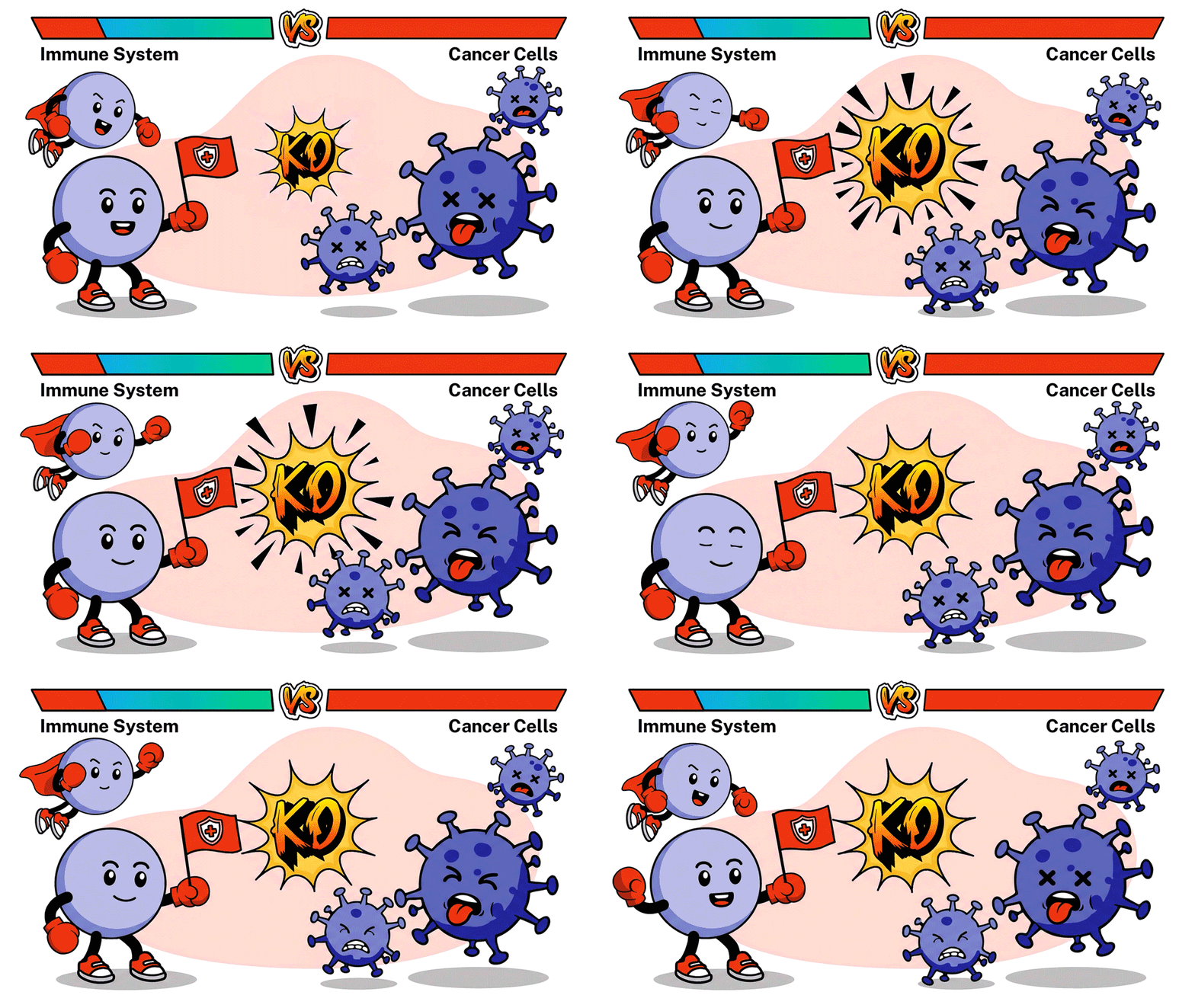
Like a deceptive con artist, cancer cells can elude detection and evade your immune system’s defences by disguising themselves as healthy cells. Immunotherapy resolves this problem by “training” your immune system, particularly the T-cells, with the power to identify, outsmart, and destroy these cancer cells.
While chemotherapy uses drugs to directly target cancer cells, often affecting other healthy cells, immunotherapy harnesses the patient's own immune system to be the ultimate “cancer hunter”.
The many kinds of immunotherapy

- T-cells in your immune system have built-in checkpoints that prevent them from attacking healthy cells. Cancer cells exploit these checkpoints: when they come into contact with a T-cell, they display proteins that tell the T-cell to “halt” incoming attacks.
- The checkpoint inhibitor acts as a barrier that prevents contact between these proteins and the T-cell receptor. Without this contact, the cancer cell can no longer send confusing signals to the T-cell. This, inturn, allows the T-cell to recognise and eliminate the cancer cell without hesitation.

- Cancer cells evade detection by using deceptive signals or proteins that elude T-cell receptors.
- This therapy trains your T-cells into ‘trained agents’ who specialise in ‘hunting’ those cancer cells. T-cells are removed from the patient’s blood and re-engineered in a laboratory to lock into a patient’s cancer cells.

- In contrast to chemotherapy, where healthy tissues who divide rapidly (like hair follicles) often get destroyed along with cancer cells, immunotherapy offers a more precise way of destroying cancer cells.
- Monoclonal antibodies are tailored to targeta specific antigen on the surface of a cancer cell. Once the antibody has latched onto cancer cells, it would alert the entire immune system to destroy the cells.

- This treatment is akin to recruiting the perfect spy, multiplying them, and then sending them back into enemy territory.
- White blood cells that have successfully invaded the tumour will be multiplied in the lab and ‘returned’ to the body to target cancer cells.

- Cytokines are chemical messengers in your immune system. When a threat of infectionis detected, cytokines will send a signal to the other cells in your body to mount a coordinated defence. However, cancer cells can jam the signals sent by these messengers.
- Cytokine therapy injects laboratory-made versions of these chemical messengers to alert your T-cells and intensify the immune response.
Is immunotherapy the right choice for you?
The answer depends on a complex web of factors and your personal health profile.
Getting ready for immunotherapy
Need to undergo an immunotherapy cycle? Here’s a few things you can do to minimise potential side effects and improve the odds of success.

Review your medication
Certain drugs, supplements, and herbal remedies can interfere with immunotherapy. Review your existing medications with your healthcare team before commencing with the treatment.
Complete your vaccines
Live vaccines should be avoided during the course of your immunotherapy, so any updates, including routine flu shots, should be completed beforehand.
Maintain good nutrition
Consult a nutritionist to help you manage a balanced and nutritious diet during your treatment and recovery.
Adopt healthy lifestyle habits
Strengthen your immune system by getting adequate sleep, managing your stress, and refraining from smoking or excessive alcohol consumption.
Be aware of early symptoms
Learn about potential side effects to your treatment and what the early warning signs look like, so you can alert your healthcare team promptly.
Surround yourself with a good support system
From accompanying you to medical appointments to assisting with daily living and mental support, let your loved ones know how you wish to be supported. If you find yourself in need of counselling or a support group, your healthcare team might be able to connect you to the right providers.
Review your insurance coverage
Managing your cancer requires financial planning, as it may involve years of care and recovery. Be sure to protect yourself and your loved ones with adequate coverage against critical illnesses and hospitalisation costs.
Cancer can happen to anyone, but being prepared lets you stay in control should the unexpected happen. Managing cancer can take many months and years. To safeguard your financial footing during this trying period, give yourself a peace of mind by fortifying your coverage against critical illnesses and mounting hospitalisation bills.

For those facing critical illnesses, having medical support at every step of the journey isessential to ensure peace of mind. GREAT SupremeHealth policyholders enjoy exclusive access to our in-house medical concierge, providing holistic support from pre-hospitalisati onto discharge, including:
- 24/7 dedicated support.
- On-site service desks at our Partnering Medical Institutions
- Referrals to over 800 Private Panel Specialists, with priority appointment bookings at both Private and Restructured Hospitals.
- Applications for pre-authorisation of eligible medical bills and guidance on treatmentoptions to help manage hospitalisation out-of-pocket expenses.



Let us match you with a qualified financial representative
Our financial representative will answer any questions you may have about our products and planning.
