








The surprisingly interesting history of paracetamol
How a seemingly ordinary pill became the centre of a murder mystery and a global debate
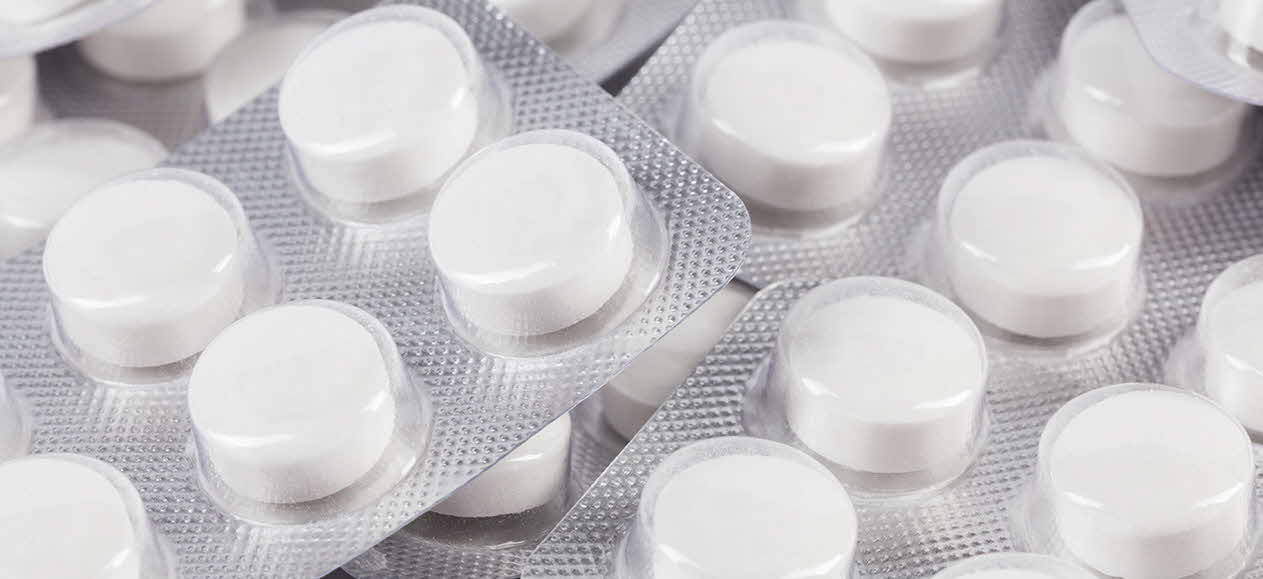
Ask nearly any Singaporean what is in their first-aid kit, and chances are the unanimous first response will be paracetamol – the most popular form of drug here to treat headaches and other forms of pain.
The most common brand of paracetamol first made its debut in Singapore in the 1970s; though the drug itself has been in existence for nearly 150 years.
This is the story of how paracetamol went from a nearly forgotten drug to the centre of a major serial murder mystery and finally becoming one of the most widely used painkillers in the world today.
A discovery that was almost forgotten
The origins of paracetamol (known as “acetaminophen” in the United States) can be traced back to 1877, when an American chemist named Harmon Northrop Morse is said to have been the first to synthesise the drug.
During that time however, other fever-reducing medication, namely acetanilide and phenacetin, were already widely in use; so, for nearly 70 years, paracetamol was effectively ignored.
It was only in the late 1940s that paracetamol was “rediscovered” by scientists. During a 1948 study, not only was it discovered that acetanilide produced a toxic substance in the human body once the drug was consumed, but the scientists also found that acetanilide (and in a later study phenacetin as well) actually metabolised paracetamol in the human body.
Put simply, paracetamol all along was the secret compound in both these drugs, which allowed them to be effective in treating fever and pain.
It did not take long before paracetamol became the new painkiller on the market. But even then, initial adoption was slow.
Firstly, paracetamol faced competition from aspirin and phenacetin.
From the 1950s until the late 1960s, paracetamol was also largely prescription-only due to reports of liver toxicity at high doses.
It was the 1970s after aspirin’s gastrointestinal risks and phenacetin’s kidney toxicity became clear, that paracetamol grew to become the go-to painkiller worldwide, particularly for children and pregnant women.
A household pill with high stakes
But “safer” does not mean “risk-free". Research has confirmed that paracetamol overdose can indeed be harmful for your liver.
Today, paracetamol overdose is one of the leading causes of acute liver failure worldwide, according to both the World Health Organisation and liver research bodies.
Unlike other painkillers like aspirin or ibuprofen, which cause immediate stomach irritation if you take too much, paracetamol quietly overwhelms the liver’s ability to process it. Once liver damage sets in, it can be fatal without urgent treatment.
Still in many cases, the cause for overdose is accidental. There have been multiple reported cases, including in Singapore, of people double-dosing on paracetamol by taking a cold or flu remedy alongside their “main” fever medication, unaware that both contained the same chemical.
That is why Singapore’s Health Sciences Authority (HSA) repeatedly reminds the public to stick to safe dosage limits: generally, no more than 4 grams a day for adults.
The crime that changed medicine forever
One of the darkest chapters in paracetamol’s story came in 1982. Seven people died after taking Extra-Strength capsules from the most popular brand of paracetamol in the United States that had been tampered with and laced with cyanide.
Till today, the culprit(s) has never been caught. The crime shocked America and permanently changed the way medicine is packaged.
Today, tamper-proof seals, blister packs, and childproof caps have all become standard because of that tragedy. In other words, every time you struggle to open a stubborn bottle of pills today, you are wrestling with the legacy of that case.
This incident has been the subject of a documentary entitled Cold Cases: The Tylenol Murders, which you can watch on Netflix.
Addressing the autism debate
Recently, paracetamol has made the headlines again, due to claims that the use of the painkiller during pregnancy may result in autism in children.
In fact, these allegations are not new and have been circulating for years; but here is where the scientific evidence stand:
- The recent studies that have suggested an association between paracetamol use during pregnancy and autism in children, have thus far been unable to prove actual cause-and-effect. In fact, most of these studies highlight that the medical conditions that require a pregnant woman to take paracetamol in the first place (such as high fever or any other underlying issues) are the more likely influences.
- The largest and most rigorous study to date on the topic, an analysis of over 2.4 million children in Sweden in 2019, found no evidence of increased risk of autism in children whose mothers used paracetamol during pregnancy, once family and genetic factors were accounted for.
- The medical consensus today, backed by the World Health Organisation and other medical groups, is clear: paracetamol is safe to use for pain or fever in pregnancy, but (as with all medicines) should be used at the lowest effective dose for the shortest possible time.
- In Singapore, the HSA has similarly reviewed the data and concluded that there is no consistent, high-quality evidence linking paracetamol use in pregnancy with autism or ADHD.
How Singapore uses paracetamol
Here are some interesting facts about the usage of paracetamol in Singapore:
- In December 2022, demand for paracetamol (primarily from China nationals living here) spiked so sharply that local pharmacies and retail outlets imposed limits on the number of paracetamol packs each customer could buy.
- According to a National University Hospital (NUH) study on adult patients hospitalised for paracetamol overdose, nearly 1 in 4 cases was the result of an accidental overdose (people consuming multiple paracetamol-containing medication unknowingly).
- The median overdose dose was ~10 grams, more than double the safe daily limit. But none of the patients died.
- In 2011, sales of a paracetamol product were suspended by the HSA due to product defects, specifically the presence of small foreign particles in some tablets.
- Although the particles were deemed to be non-toxic and the risk was assessed as minimal, the tablets were pulled off shelves to “prevent the exposure of members of the public to a product that is not compliant to quality standards”, said the HSA.
Key takeaway
Paracetamol is widely considered as one of the safest painkillers available in the market today, including for pregnant women.
Responding to the recent news, the HSA said in September: “Paracetamol has been used worldwide for decades to manage pain and fever, including in pregnant women... It remains the recommended treatment for pain or fever in pregnant women when used as directed.”
The HSA also warned that "untreated fever or pain during pregnancy can pose risks to the unborn child".
If you are concerned about the use of paracetamol, always consult with a licensed medical professional for the best advice.
Concerning paracetamol overdose, If the overdose is a proven, unintended accident (e.g., mistakenly taking the wrong dosage), hospitalisation and treatment costs would generally be covered by MediShield Life and an accompanying Integrated Shield Plan. Always check your exclusions under your policy to see if there is specific wording that states it will not cover costs for drug overdoses (intentional or accidental).

GREAT Maternity Care 2
Comprehensive coverage from as early as 13 weeks into your pregnancy


Let us match you with a qualified financial representative
Our financial representative will answer any questions you may have about our products and planning.
