








8 lessons from Japan on staying physically and financially healthy in retirement
Wealth-Wise 101: What Singaporeans can learn from one of the world’s longest-living societies
What this article covers
- 8 practical habits commonly observed among Japanese seniors, including Okinawa
- How each habit protects physical independence over decades
- How each habit protects financial stability over decades
- Singapore-friendly ways to apply each habit without dramatic lifestyle changes
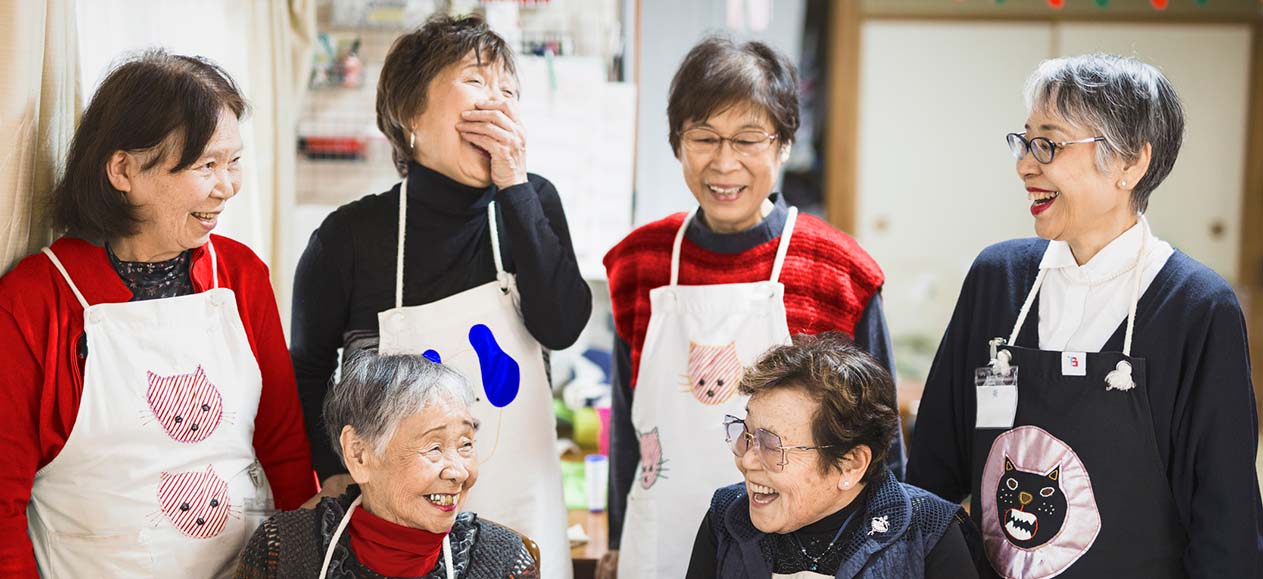
Japan is not just one of the world’s longest-living societies. It is one of the first major economies to normalise long retirement.
More than 29% of its population is aged 65 and above. Life expectancy exceeds 84 years overall. In Okinawa, a prefecture frequently studied in longevity research, many older adults remain active well into their late 80s and 90s.
Japan is useful as a reference point because long retirement is normal there. When long retirement is normal, daily habits matter more than occasional bursts of effort.
Singapore’s population is ageing as well. Longer retirements are becoming common. Many people will spend two to three decades in retirement, and that means two things:
- Small health risks have more time to turn into major limitations
- Small spending gaps have more time to compound into major shortfalls
Japan’s seniors do not rely on one secret. They rely on a system of repeatable habits. The lessons below focus on habits you can see in daily life, then translate them into practical Singapore application.
Lesson 1: Maintain a clear sense of purpose
In Japan, the term ikigai is often used to describe a reason to get up each morning. For retirees, it is rarely framed as a dramatic passion project. It is typically expressed through responsibility and routine.
In everyday life, it often looks like:
- A retiree who tends a small garden or vegetable patch daily
- A grandparent who helps with school drop-offs or childcare
- A senior who supports a neighbourhood association or temple committee
- Someone who does light part-time work a few mornings a week
The activity is modest. The structure is the point.
Physical impact
Purpose works through routine and continuity.
- It creates consistent sleep and waking patterns, which support energy and mood stability.
- It embeds movement into daily life, such as walking to meet people, running small errands, or doing light physical tasks.
- It keeps the brain active through planning, conversation and problem-solving.
- It reduces social isolation, which is linked to poorer outcomes in later life.
When retirement is unstructured, the default is often sedentary time. Sedentary time accelerates decline.
Financial impact
Purpose protects finances through behaviour and timing.
- It reduces lifestyle drift. Unstructured time can lead to frequent shopping, convenience spending and boredom-driven purchases. A role-based routine narrows those patterns.
- It improves administrative discipline. Active people are more likely to stay on top of bills, renewals, insurance documents, CPF-related paperwork and scam alerts.
- It reduces vulnerability to manipulation. Isolation increases scam susceptibility. Purpose usually includes regular contact with others, which acts as a safety net.
- It may create modest income. Even small income in early retirement can lower the need to withdraw from savings in the first decade, which significantly affects long-term sustainability.
Purpose lays the behavioural foundation. The next lessons build on it.
Practical application for Singaporeans
Design your retirement week before you retire.
- What will anchor your mornings?
- Which days will you leave the house?
- What role will you play in your family, community or professional network?
Singapore-friendly examples include volunteering, mentoring, coaching, teaching, part-time work or structured caregiving. The aim is not to fill every hour. The aim is to avoid empty days that lead to physical and financial drift.
Lesson 2: Move every day, even if it is gentle
One widely observed Japanese habit is radio taiso, a short, structured exercise routine broadcast since 1928. Many seniors do it each morning, sometimes together in parks. It is low-impact stretching and light movement.
Movement is also embedded into daily living:
- Walking to local shops
- Using public transport
- Carrying groceries in smaller loads more frequently
- Cycling short distances
The key is not athleticism. It is daily repetition.
Physical impact
Daily movement protects three systems that determine independence:
- Leg strength and muscle mass: muscle declines naturally with age. Regular use slows that decline.
- Balance: balance deteriorates if not practised. Falls often happen when balance reactions become slow.
- Joint mobility: movement keeps joints functional and reduces stiffness, which affects walking confidence.
Mobility is the base layer of independence. Once it declines, everything else becomes harder.
Financial impact
Mobility loss increases costs in layers, not just one-off bills:
- Medical treatment after falls
- Rehabilitation and therapy
- Transport services when walking becomes difficult
- Home modifications such as grab bars and safer flooring
- Paid assistance for errands and daily tasks
Even where hospitalisation costs are largely covered, long-term living costs rise when mobility falls.
Movement protects independence. Independence protects finances.
Practical application for Singaporeans
Create a “mobility floor” that you can sustain at 75:
- 20 to 30 minutes of walking daily
- Two short sessions per week focused on leg strength and core stability
- Regular balance practice at home
- Avoiding prolonged sitting, which accelerates deconditioning
The aim is functional ability, not fitness benchmarks.
Lesson 3: Practise moderation in eating
Okinawan elders are often associated with hara hachi bu, a cultural reminder to eat until about 80% full. It encourages portion awareness and reduces habitual overeating.
In daily terms, it often looks like:
- Smaller portions
- Slower eating
- Balanced meals
- Less dependence on high-sugar snacks
Physical impact
Moderation reduces the likelihood of long-term conditions that erode independence:
- Type 2 diabetes affects nerve health, circulation and wound healing.
- Cardiovascular disease affects stamina and recovery.
- Weight gain increases joint strain and reduces walking confidence.
Chronic diseases often begin quietly and then become expensive and limiting over decades.
Financial impact
Chronic conditions create recurring costs that compound:
- Medication and regular monitoring
- Clinic visits and specialist consults
- Periodic complications that require treatment
- Increased transport and support needs
There is also a spending parallel. Moderation in lifestyle costs reduces retirement strain.
A S$2,000 difference in monthly retirement spending is S$24,000 per year. Over 25 years, that is S$600,000 before inflation. Over 30 years, it is S$720,000 before inflation.
Moderation therefore protects both health and long-term affordability.
Practical application for Singaporeans
Moderation is not restriction. It is sustainability.
- Aim for stable weight trends, not short-term dieting.
- Make indulgences planned, not automatic.
- Build meals around vegetables and protein.
- Design a retirement budget with margin, rather than spending to the limit.
Lesson 4: Build strong, regular social networks
In Okinawa, moai refers to a committed social group that meets regularly throughout life. Members provide companionship and practical support. The defining feature is consistency. Social connection is scheduled.
In practice, it looks like:
- Fixed weekly meals
- Regular gatherings
- Mutual help during illness
- Shared life events and accountability
Physical impact
Regular social connection supports health because it:
- Reduces loneliness and stress
- Encourages movement through outings and visits
- Maintains cognitive engagement through conversation
- Improves emotional resilience
Many older adults decline faster when they become socially isolated.
Financial impact
Social networks protect finances through decision quality:
- Major decisions are discussed, not rushed.
- Friends share alerts and warnings about scams.
- Social support reduces stress-driven financial actions.
- Someone may notice missed bills, unusual transactions or signs of confusion.
Community reinforces discipline and reduces vulnerability.
Practical application for Singaporeans
Build “scheduled connection”:
- Weekly coffee group
- Walking club
- Volunteer team
- Regular family meal that is fixed, not ad hoc
The aim is not social busyness. It is a dependable network that remains present when life becomes harder.
Lesson 5: Continue working, but redefine what “work” means
In Japan, it is common to see seniors remain economically active after 65. This is not always driven by financial necessity. It reflects a cultural belief that contribution maintains dignity and function.
Examples include:
- Seniors working part-time at convenience stores
- Retirees assisting at small local businesses
- Older adults performing community administrative roles
- Agricultural or craft work done at reduced intensity
The work is calibrated. It is lighter, shorter in hours and aligned with physical capacity.
Physical impact
Continued light work supports:
- Cognitive preservation through planning and interaction
- Movement embedded in responsibility
- Identity continuity and self-esteem
Physical decline often accelerates when identity contracts.
Financial impact
The financial value lies in sequence and sustainability.
- Lower withdrawals in the first 5 to 10 years improve portfolio durability.
- Supplemental income reduces the need to sell assets during downturns.
- Funds preserved early remain available for later healthcare needs.
- Continued earning reinforces financial awareness and discipline.
Practical application for Singaporeans
Redefining work does not mean returning to high stress.
Options include:
- Advisory or mentoring roles
- Teaching or tutoring
- Part-time retail or administrative work
- Structured gig work
- Community roles with modest allowance
The objective is calibrated engagement, not exhaustion.
Lesson 6: Simplify housing before it becomes urgent
In Japan, senior living environments often prioritise practicality. Homes are compact, layouts are functional and neighbourhoods are walkable.
This is not aesthetic minimalism. It is risk reduction.
Physical impact
Housing influences decline more than many realise:
- Narrow stairs, clutter and poor lighting increase fall risk.
- Large homes require more physical maintenance effort.
- Proximity to shops and clinics ensures daily movement remains embedded in routine.
The environment either supports independence or erodes it.
Financial impact
Housing complexity increases fragility:
- Maintenance cost escalation
- Injury cascade costs
- Transport dependency
- Expensive reactive relocation
Housing decisions often determine whether retirement remains stable or becomes financially strained.
Practical application for Singaporeans
Evaluate early, not after a health scare:
- Can you comfortably navigate your home at 85?
- Are bathrooms safe and accessible?
- Are groceries and clinics within walking distance?
- Is the maintenance burden manageable long term?
Proactive simplification reduces forced spending.
Lesson 7: Build administrative and financial simplicity
Many Japanese seniors maintain straightforward financial arrangements and clear documentation. Simplicity becomes increasingly valuable as age advances.
Physical impact
Administrative complexity increases stress, which affects sleep, blood pressure and cognitive clarity.
Simpler systems reduce:
- Decision fatigue
- Anxiety related to paperwork
- Cognitive overload
Stress reduction supports overall health.
Financial impact
Complex financial systems increase risk in later life:
- Missed renewals or payments
- Higher fraud vulnerability
- Delayed decision-making
- Increased burden on family members during emergencies
Simplification is a long-term safeguard.
Practical application for Singaporeans
Consider:
- Consolidating accounts where appropriate
- Maintaining a clear summary of assets and policies
- Ensuring trusted family members know where key documents are
- Avoiding unnecessary product layering
Complexity feels sophisticated at 55. It feels burdensome at 85.
Lesson 8: Build financial and physical buffers, not just targets
Japanese longevity culture implicitly reflects margin. Homes are modest. Spending is paced. Physical effort is sustainable. There is space between maximum capacity and daily reality.
Margin is protective.
Physical Impact
Physical buffers include:
- Strength beyond minimum requirement
- Energy reserves that prevent burnout
- Preventive care that stops small issues from escalating
Physical margin protects against shocks.
Financial impact
Financial buffers protect against uncertainty:
- Emergency liquidity
- Flexible spending capacity
- Healthcare escalation allowance
- Inflation resilience
Many retirement plans fail not because projections were wrong, but because there was no buffer when reality deviated.
Practical application for Singaporeans
Build margin deliberately:
- Keep emergency funds even after retirement
- Avoid running monthly spending to the maximum sustainable level
- Preserve insurance coverage that protects against catastrophic medical events
- Maintain discretionary spending flexibility
Retirement stability comes from buffer, not precision.
The core insight
Japan’s seniors demonstrate something subtle but powerful.
Long retirement stability is not built on one correct decision. It is built on the quiet repetition of small, calibrated habits.
Each lesson reduces a small risk. Over 25 to 30 years, those reductions compound into meaningful differences in independence and financial resilience.
For Singaporeans, the question is not whether retirement can be perfectly engineered.
It is whether daily life is aligned with longevity.
Because retirement today is not a short chapter at the end of working life. It is a multi-decade phase that requires both physical durability and financial resilience.
Japan shows that resilience is rarely dramatic. It is constructed quietly, through habits that protect both the body and the balance sheet, year after year.
That is what long retirement demands.
Written by: Great Eastern Lifepedia team

GREAT Retire Income
Participating regular premium endowment plan, that offers monthly cash payouts with the flexibility to choose your premium term, retirement age, and how long you want to receive payouts for.


Let us match you with a qualified financial representative
Our financial representative will answer any questions you may have about our products and planning.
