








Your genes do not get the final say
Small, health-positive actions practised consistently over time can help shape your long-term cancer risk, even if family history is part of the picture.

Key takeaways:
- Cancer is a complex disease influenced by many factors, including genetics.
- While inherited genes can affect risk, they are only part of the story.
- Everyday habits, environmental exposures, infections, age, and screening behaviour also play a role in shaping cancer risk.
- Small, consistent steps can help lower risk over time, while regular screening remains important for catching problems early.
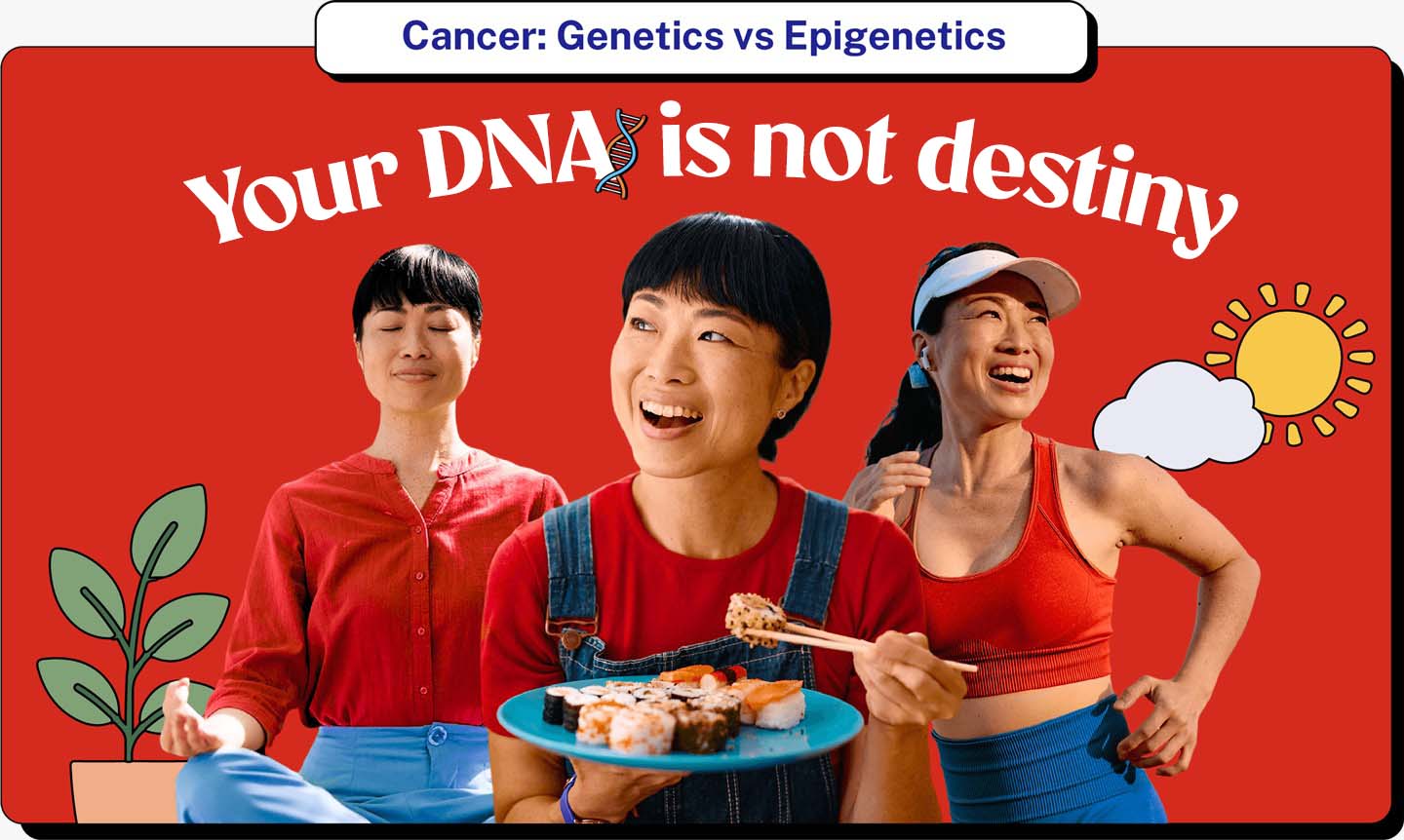
Many people think of cancer as something purely hereditary: if it runs in the family, you worry about it; if it does not, you assume you are safe. But cancer risk is much more complex than that and, in many ways, more manageable too.
While genes do matter, they are not the only factor. Cancer risk can also be shaped by:
- the environment you live in
- the habits you practise daily
- infections you may have been exposed to
- how regularly you go for screening
- the fact that we age over time
Seeing cancer this way can feel more empowering. While you cannot control everything, there are still practical ways to influence many of the factors that shape risk.
Genes are not destiny
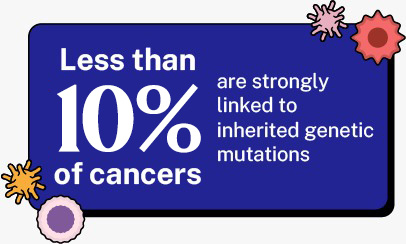
That means most cancers happen because of a combination of other influences that build up over time1. These may include:
- lifestyle habits such as smoking, diet, exercise, and alcohol consumption
- environmental exposures such as pollutants, chemicals, and radiation
- certain infections such as HPV and hepatitis B
- age, as the likelihood of cell damage and mutation increases over time
- screening, which affects how early a problem is found
So while family history remains important, it is not the full picture. This is where the science of epigenetics offers a useful perspective.
What is epigenetics?
Your genes are like a set of instructions for every cell in your body. But not every instruction is active all the time. Epigenetics2 refers to the mechanisms that help switch certain genes on or off.
In simple terms, epigenetics does not change your DNA itself, but it can influence how your body reads and uses certain genetic instructions. A helpful way to think about it is as a dimmer switch rather than a simple on-off button.
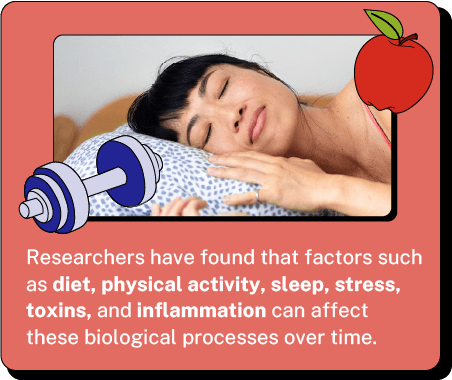
Researchers have found that factors such as diet, physical activity, sleep, stress, toxins, and inflammation can affect these biological processes over time. That does not mean healthy living can erase genetic risk altogether. But it does mean your genes are not necessarily your destiny. The environment you create for your body over time still matters.
Prevention: lowering your risk
Cancer prevention does not always require dramatic lifestyle changes. In many cases, the most powerful steps are simple ones done consistently. The World Health Organization estimates that around 30% to 50% of cancers could be prevented³ by reducing well-known risk factors.
Some practical ways to lower risk include:






Some vaccines help protect against infections that can raise cancer risk. For example:
- the HPV vaccine helps protect against viruses linked to cervical and several other cancers⁴
- the hepatitis B vaccine helps reduce the risk of liver cancer⁵
When practised consistently over time, these simple steps can make a meaningful difference to your long-term risk profile.
Detection: catching problems early

Even people with healthy lifestyles can still develop cancer. That is why screening remains an important part of looking after your health.
Think of screening as a safety net. It can help detect cancer early, when treatment is often more effective and less complex. In some cases, it can even pick up pre-cancerous changes before they become more serious.
Here are some recommended screening references for common cancers⁶. These are general guidelines for people at average risk. Individuals with a family history or other higher-risk factors may need to start earlier or screen more often, so it is best to speak with a doctor about what is appropriate for you.
General screening reference
| Cancer | Who | Frequency | Test |
| Colorectal | Men and women from age 50 with no symptoms | Every 5–10 years Every year | Colonoscopy Fecal ImmunochemicalTest (FIT) |
| Breast |
| Every year Every 2 years | Mammogram Mammogram |
| Cervical | Women aged 25–69 who are or have been sexually active | Every 3–5 years | Pap smear /HPV test |
| Lung | Men and women aged 50–80 who are smokers, or non-smokers with family history of the disease | Every year⁷ | Low-dose CT (LDCT) scan |
| Prostate | Men from age 40 with family history of breast cancer; men from age 45 with a family history of prostate cancer; men from age 50 | Depends on results of first test⁸,⁹ | Prostate-Specific Antigen (PSA) test |

GREAT SupremeHealth
This is a MediSave-approved Integrated Shield Plan that covers up to 95% of your hospitalisation bills for life, while helping to reduce out-of-pocket expenses through post-hospitalisation treatment coverage.

GREAT Hospital Cash
If a cancer diagnosis leads to hospital care, this plan can complement existing coverage with daily hospital cash benefits, along with reimbursement support for eligible outpatient treatment at the A&E.
GREAT CareShield
For broader peace of mind, this plan provides monthly payouts if you are unable to perform just 1 out of the 6 Activities of Daily Living (ADLs).
1. National Cancer Institute, “The Genetics of Cancer”
2. Cleveland Clinic, “What Is Epigenetics?”
3. World Health Organization, “Cancer”
4. Centers for Disease Control and Prevention, “HPV Vaccination”
5. Hepatitis B Foundation, “Hepatitis B Vaccination”
6. National Cancer Centre Singapore, “Screening could save your life”
7. Centers for Disease Control and Prevention, “Screening for Lung Cancer”
8. National Cancer Centre Singapore, “Prostate cancer: early screenings can save lives”
9. Johns Hopkins Medicine, “Prostate Cancer: Age-Specific Screening Guidelines”


Let us match you with a qualified financial representative
Our financial representative will answer any questions you may have about our products and planning.
