





The S$1 million question isn't the drink in your hand
We obsess over interview props while the decisions that shape lifetime earnings go unexamined. Wealth is built in the defaults.

A heated debate over whether it’s inappropriate to bring iced coffee to a job interview took over social media. It sounds like a question of interview etiquette. Look a little closer, though, and that cup has something to say about first impressions, everyday spending and knowing when to make a different choice.
☕ Just bring water
Water is boring, and that's the appeal. It's nearly free, it calms you down, and a sip gives you a second to think before you answer something awkward. An espresso drink in Singapore typically costs between S$5 to S$7, while kopi can be found for as little as S$1.20. But the bigger reason is that turning up with water tells the interviewer you thought about the moment beforehand.
☕ Does the drink even matter?
You've probably heard that interviewers decide within 90 seconds. It's mostly a myth. One recent analysis found only 4.9% of interviewers made their determination within the first minute, and just 25.5% within five minutes. Most of the deciding happens while you're answering questions.
So, the drink doesn't need to impress anyone. It just shouldn't cause trouble. Spilled coffee, jittery hands, a cup you don't know where to put; that's all risk and no upside.
☕The habit behind the cup
The café coffee is rarely a one-off. It's a default, something you buy so automatically that you never look at it. A 2024 YouGov survey of Singapore consumers found that 58% of regular coffee drinkers have coffee every day, and that most say the prices of their usual orders have gone up.
Do the math on one S$5 café coffee, which sits inside the price range above. Buy it on roughly 250 working days a year and you've spent S$1,250. Over ten years that's S$12,500, before you've invested a cent. The gap between a S$1 kopi and an S$5 espresso, repeated every day, is a money decision that just doesn't feel like one.
Health works the same way. The small habits behind your energy and focus quietly shape your bank balance too.
☕Where the real money is
Your starting salary is the number every future raise gets built on. According to the 2025 Joint Autonomous Universities Graduate Employment Survey, reported by Human Resources Online, the median gross monthly salary for fresh graduates in full-time permanent jobs was S$4,500.
Here's the part people skip: most employers in Singapore expect you to negotiate and build buffer room into their first offer, putting the typical range at 5–15% above the initial offer.
Take the low end. Five percent of S$4,500 is S$225 a month, or S$2,700 a year. That's more than double a year of daily coffees, won in one conversation. And it keeps growing, with typical annual increments in Singapore at 3% to 4.5%. Every raise land on the higher base.
Staying put costs you too. MOM's Report on Wage Practices 2025, reports that employees who stayed with the same employer saw pay growth of 4.9%, while the usual benchmark for switching jobs is 10% to 20% above your current base salary.
The best-known number on this comes from the US. Carnegie Mellon's Linda Babcock. Babcock tells her graduate students that not negotiating at the start of a career can mean leaving between $1 million and $1.5 million on the table over a lifetime. That's an American estimate, but the logic holds anywhere raises are percentage-based.
☕The one time you must bring the coffee
Everything above comes down to one idea: don't let a default make your decisions for you. Which means there's an exception, and it's a good one.
Say you're meeting a specialty roaster, and you arrive with a cup from their own café. You've just shown you're a customer, that you did your homework in the most practical way possible, and you've handed the interviewer an easy first question: "So, what did you think?" That's a better opener than anything on your CV. And you should be ready to say something specific about it, because "it was nice" wastes the opening.
This is the same principle as the water, from the other direction. The coffee you grab out of habit is a default. The same coffee, bought on purpose, with a reason and something to say about it, is a decision. That's the whole difference. If you're not sure the room will read it that way, bring the water.
The big picture
Use the coffee money you saved wisely and give the S$2,700 a renewed purpose. Achieve your wealth goals with regular disciplined premium payments. Get up to 55% welcome bonus and customise your portfolio to suit your risk appetite and investment objectives with GREAT Wealth Advantage 4.
Also, health coverage prevents a medical event from becoming a financial toll while you are building your savings.

GREAT SupremeHealth + GREAT TotalCare
Upgrade your hospitalisation coverage beyond basic MediShield Life to enjoy higher claim limits and access to private or restructured hospitals. Pair it with GREAT TotalCare to cap your out-of-pocket medical bills and keep unexpected health crises from derailing your long-term plans.
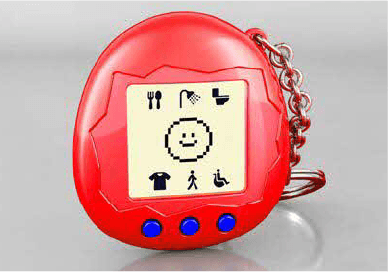
Lighten your long-term medical and caregiving expenses while recovering from disability with the assurance of cash payouts. GREAT CareShield offers a lifetime of monthly payouts when you are unable to perform just 1 out of 6 Activities of Daily Living (ADLs). GREAT CareShield premiums can be paid with your MediSave funds, up to a limit of S$600 per calendar year per insured person.

Safeguard your active lifestyle with flexible personal accident protection that covers unexpected medical expenses and recovery care. Customise your safety net with riders for weekly income payouts and disability benefits, so an accidental injury never puts your financial momentum on pause.


Let us match you with a qualified financial representative
Our financial representative will answer any questions you may have about our products and planning.
