








Allergies in adulthood
5 reasons why adult onset allergies occur

We often think of an allergy as something one has from birth or develops in childhood. But allergies can arise at any point in your life, even to substances you’ve been exposed to for years.
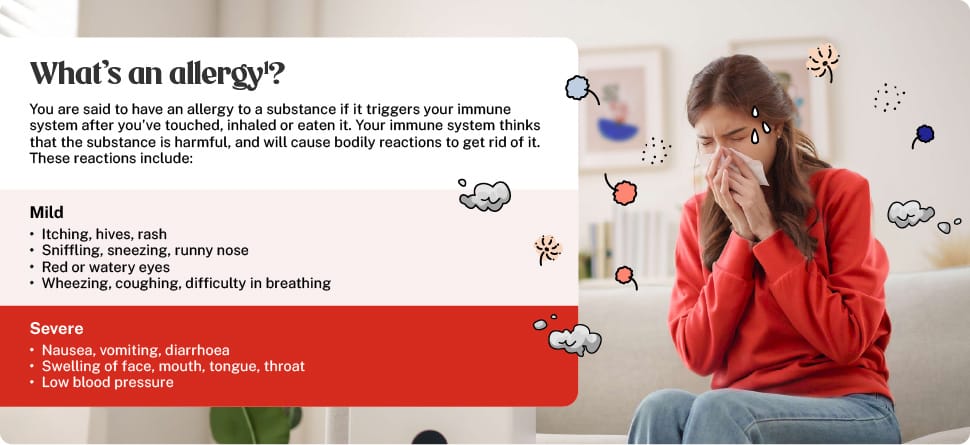
There are several theories2 why adult-onset allergies occur, but is likely due to an interplay of these factors3:
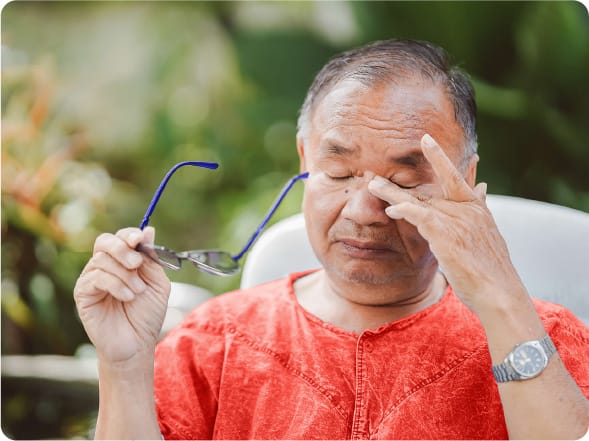




What’s the most common type?
The most common adult-onset allergy cases are due to food allergens4. According to a survey by the American College of Allergy, Asthma & Immunology (ACAAI), the most common food allergens are:
- Peanuts
- Shellfish
- Tree nuts
How do you detect it?
What can I do to manage it?
It’s possible to have a good quality of life despite having allergies — you just have to take precautions and stay away from triggers.
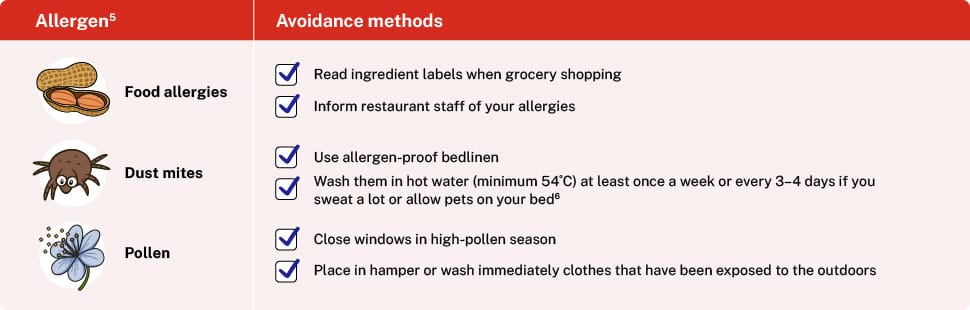
You can also alter your home and workplace to reduce your chances of exposure to allergens. For example,
- replace carpet with hard flooring to make cleaning and vacuuming easier
- invest in an air purifier and vacuum cleaner with HEPA filters to remove airborne pollutants such as pollen and pet dander
- ensure all areas are dry and well-ventilated to prevent mould formation
However, there are certain factors that will be beyond your control. For example,
- it’s almost impossible to keep environmental pollutants completely out of your home
- when eating out, it can be quite difficult to ascertain whether a dish contains any triggering allergen, especially when ingredients contain processed items such as sauces
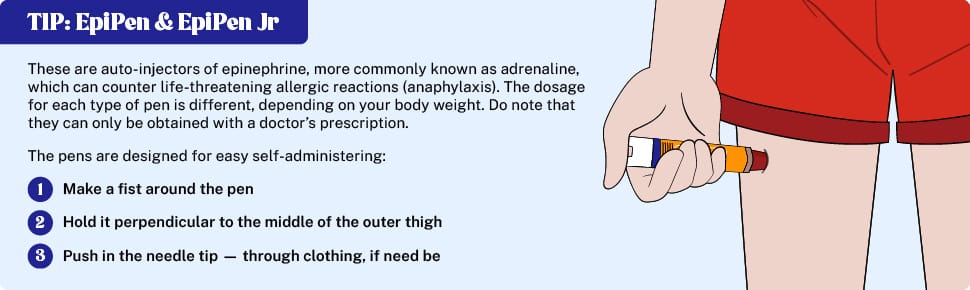
As such, it’s a good idea to keep some antihistamine medication at home and with you when you’re on the go. If your symptoms tend to be more serious, especially if you’ve experienced anaphylaxis, you should have an EpiPen handy.
But for long-term relief, consider immunotherapy. This is where small amounts of allergens are gradually introduced to your body, helping it build tolerance over time.
Another way to maintain quality of life while living with allergies is to ensure that your financial health is protected.



GREAT Supreme Health
This is a MediSave-approved Integrated Shield Plan (IP) that covers up to 95% of your hospitalisation bills for life, and minimises out-of-pocket expenses with post-hospitalisation treatment coverage. With IP, you get a wider choice ofhospitals and specialists, higher coverage limits, and reduced out-of-pocket costs — perfect if you prioritise more comfortable ward options and a greater degree of control over your healthcare journey beyond just allergies.
GREAT Hospital Care
If you worry that your allergic responses may be severe and require hospital care, then this plan is for you. Itcomplements your existing coverage with up to S$600 Daily Hospital Cash Benefit, plus up to S$600 reimbursement ifyou seek outpatient medical treatment at the A&E.
GREAT CareShield
For even greater peace of mind, you may want to get this plan — it provides for you should your allergy leave you debilitated. Monthly payouts start when you are unable to perform just 1 out of the 6 Activities of Daily Living (ADLs).
For more tips, insights and recommendations on achieving a good quality of life, make Lifepedia your preferred reference point.
Sources:
- https://my.clevelandclinic.org/health/diseases/8610-allergies
- https://www.langfordallergy.com/adult-onset-allergies-causes-symptoms-and-treatments/?post_type=blog_post
- https://www.channelnewsasia.com/today/ground-up/russian-roulette-living-allergies-singapore-5242911
- https://www.carolinaasthma.com/blog/what-causes-a-person-to-develop-allergies/#:~:text=While%20we've%20talked%20about,instances%20of%20shellfish%20allergies%20specifically
- https://mediwaymedical.com/living-with-allergies#:~:text=Allergen%20Avoidance%20Techniques,wash%20clothes%20after%20being%20outdoors
- Mayo Clinic


Let us match you with a qualified financial representative
Our financial representative will answer any questions you may have about our products and planning.
