







Men get it, too!
Osteoporosis isn’t just a women’s issue. Men are affected too, and healthy habits from young can help lower the risk of painful falls.
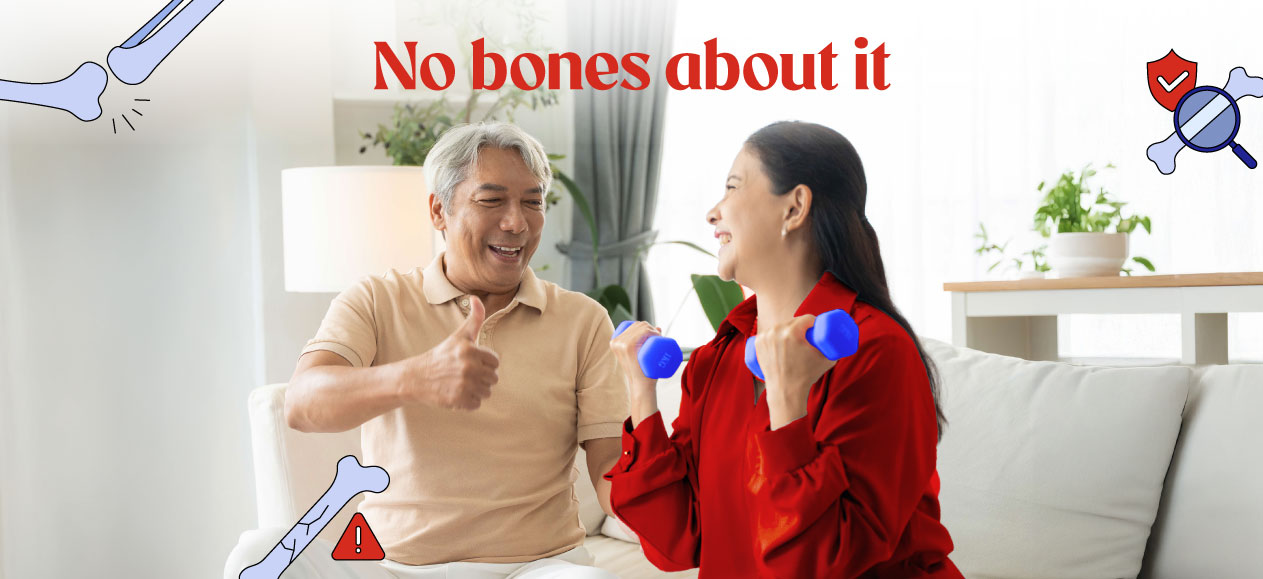

Osteoporosis isn’t gender‑exclusive. Men face real risks too.
In Singapore, osteoporosis affects 1 in 3 women over 50, but also 1 in 5 men in the same age group¹. Because it’s often viewed as a “women’s condition”, osteoporosis in men may go undiagnosed and untreated.
With Singapore’s rapidly ageing population, osteoporosis-related fractures are projected to rise significantly in the coming years2.
What is osteoporosis?
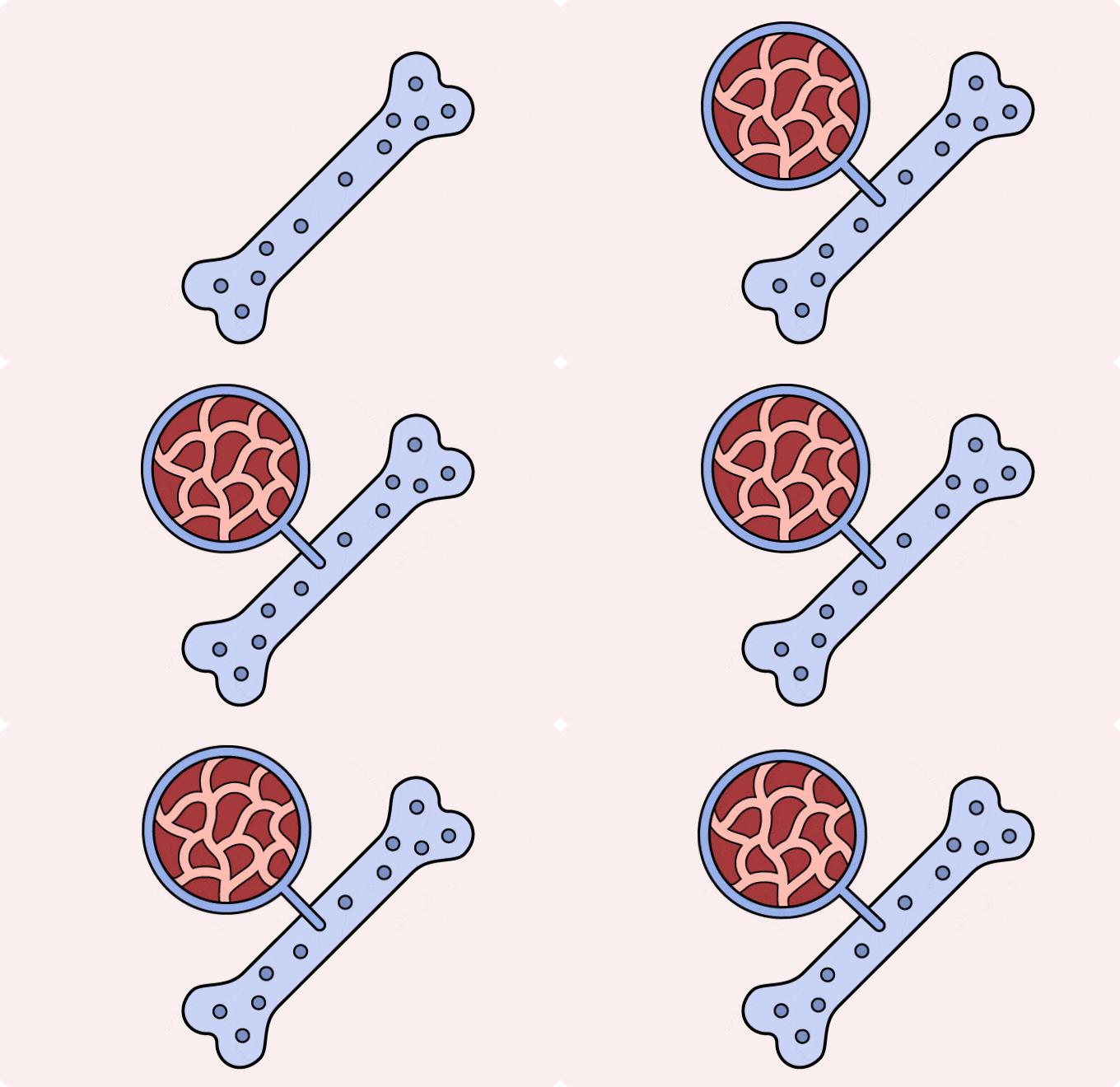
Bones are not static. Even in adulthood, your body continuously produces new bone cells tore place old ones. However, at a certain age, you start losing these cells faster than you can replace them. Over time, bones become weak and brittle. This condition is known as osteoporosis. Because it develops silently, many people only discover they have it after a fracture occurs.
How osteoporosis increases fall risk
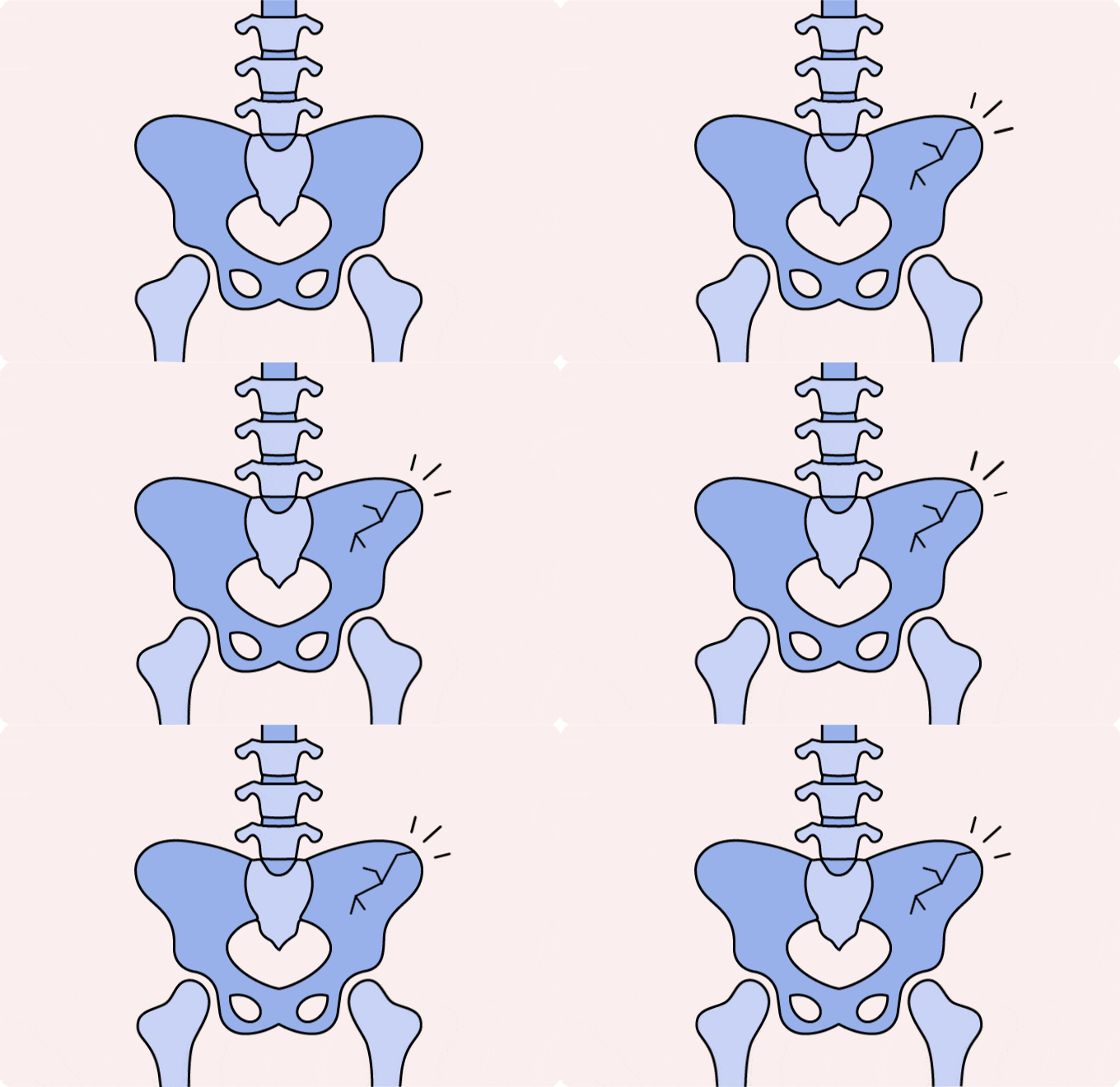
Osteoporosis doesn’t just make bones fragile. It can also affect posture and stability.
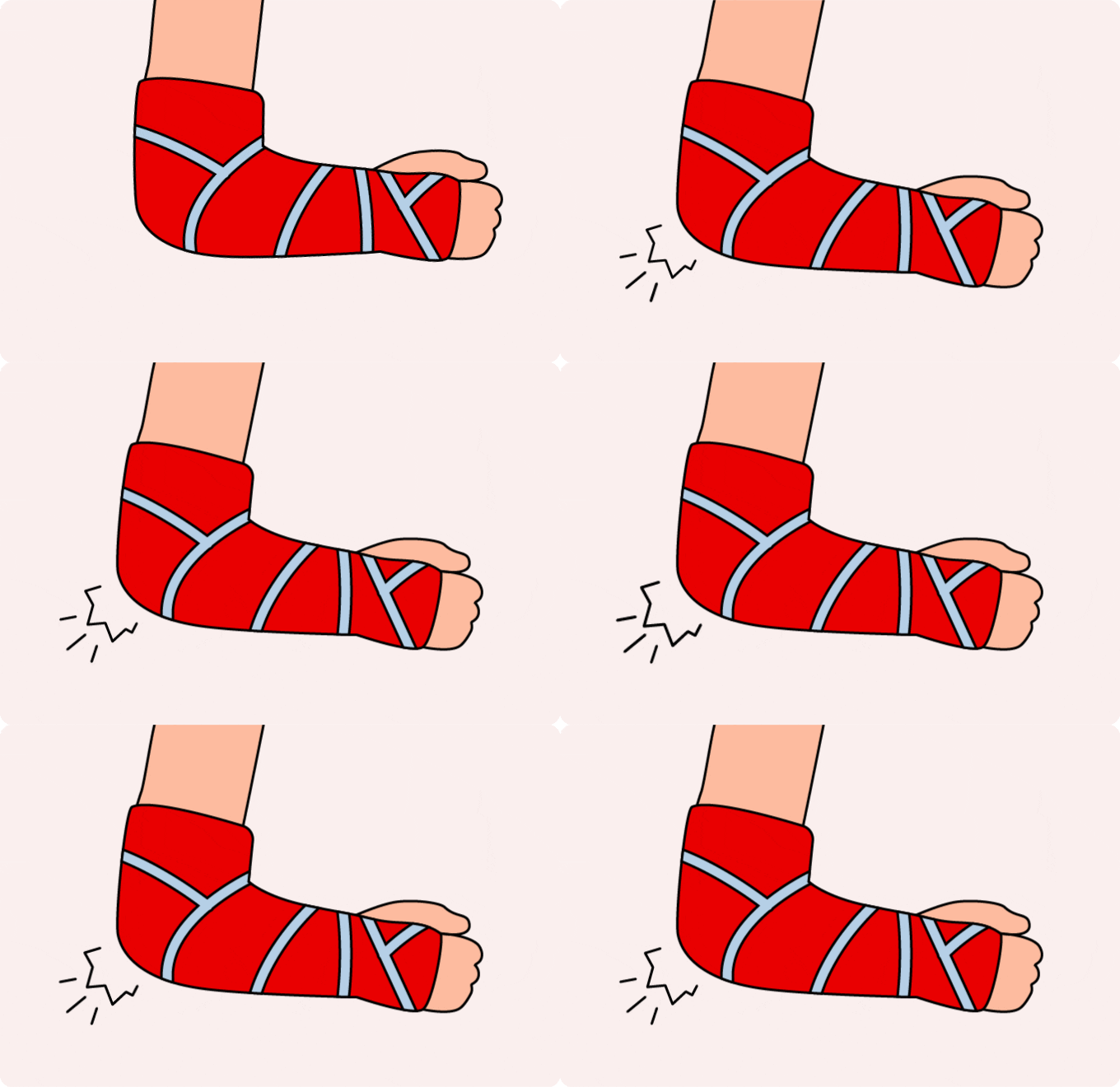
Compression fractures of the spine may lead to reduced height and a stooped posture. These structural changes shift the body’s centre of gravity, making balance harder to maintain. Combined with age-related muscle weakness, this significantly increases fall risk. After a fall, fear often sets in. Seniors may restrict physical activity to avoid another accident, leading tomuscle deconditioning and poorer balance, which increases the likelihood of another fall.
Why fear sets in
While osteoporosis itself doesn’t cause pain, fragile bones fracture easily. Even minor incidents can result in serious injury. Hip fractures, in particular, are associated with disability and loss of independence. Pain, coupled with reduced mobility, is a strong reason why many seniors develop a fear of falling after a tumble.
Protecting more than just bones
In Singapore, 1 in 3 adults aged 65 and above experiences a fall each year5. For many, a serious fall can change mobility and independence overnight – and osteoporosis is a key contributor. Healthy habits reduce risk. But planning ahead also means protecting your financial health, so recovery and long-termcare don’t become an added burden.
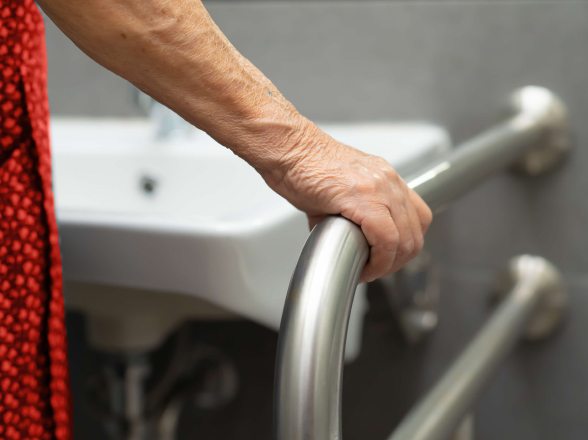
Falls happen most often at home. Simple adjustments can make a meaningful difference:
- Clear walkways and remove loose rugs
- Install grab bars and use non-slip mats in bathrooms
- Improve lighting, especially at night
- Sit briefly before standing to prevent dizziness
- Limit alcohol consumption
Small changes today can help preserve independence tomorrow.

Genetics may influence bone health, but lifestyle still plays a powerful role. At any age, you can strengthen your“bone bank” by3:
- Getting enough calcium, protein and vitamin D
- Staying physically active (especially weight-bearing and balance exercises)
- Maintaining a healthy weight
- Avoiding smoking and heavy drinking
As we age, nutrient absorption declines, and muscle mass decreases faster, making exercise and adequate nutrition even more important.
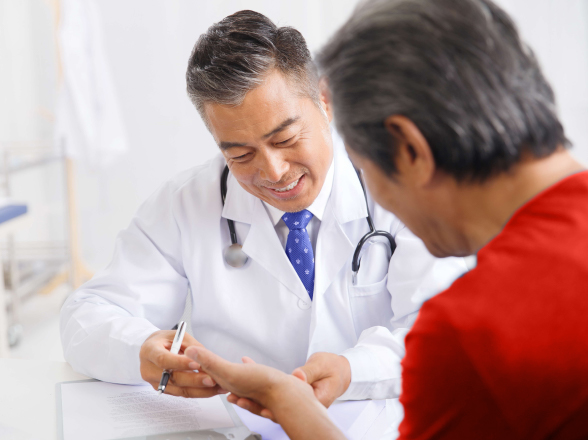
Early detection allows you to take steps – through lifestyle adjustments or medical treatment – before fractures occur. Screening is recommended for4:
- Women aged 65 and above
- Men aged 70 and above
- Younger individuals with risk factors (such as family history, fractures after 50, chronic conditions or long-term steroid use)
A simple, painless bone density scan (DEXA) measures your bone strength and helps determine your risk.
GREAT SupremeHealth
This is a MediSave-approved Integrated Shield Plan (IP) that covers up to 95% of your hospitalisation bills for life, and minimises out-of-pocket expenses with post-hospitalisation treatment coverage. With IP, you get a wider choice ofhospitals and specialists, higher coverage limits, and reduced out-of-pocket costs — perfect if you prioritise more comfortable ward options and a greater degree of control over your healthcare journey beyond just allergies.
GREAT Hospital Cash
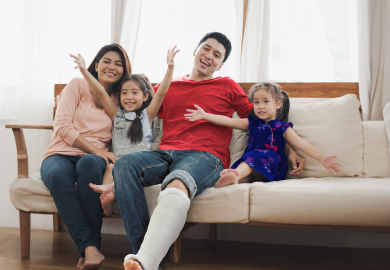
If you worry that your osteoporosis may lead to falls that require hospital care, then this plan is for you. It complements your existing coverage with up to S$600 Daily Hospital Cash Benefit, plus up to S$600 reimbursement if you seek outpatient medical treatment at the A&E.
GREAT CareShield
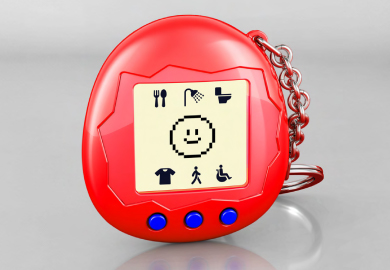
For even greater peace of mind, you may want to get this plan — it provides for you should you be debilitated. Monthly payouts start when you are unable to perform just 1 out of the 6 Activities of Daily Living (ADLs).
Because protecting independence isn’t just about preventing falls, it’s about being prepared for life’s uncertainties.
For more insights on staying healthy and living confidently at every stage of life, explore more on Lifepedia.
Sources:
- SingHealth / Singapore General Hospital – Osteoporosis statistics
- The Straits Times – Osteoporosis underdiagnosed among older men
- International Osteoporosis Foundation
- U.S. Preventive Services Task Force – Osteoporosis Screening Guidelines
- Ministry of Health Singapore – Disease Burden & Falls Data
Let us match you with a qualified financial representative
Our financial representative will answer any questions you may have about our products and planning.
