







Brain Matters: Act FAST when a stroke happens
Why knowing the early signs of a stroke should be a no-brainer, regardless of your age and lifestyle.
Summary:
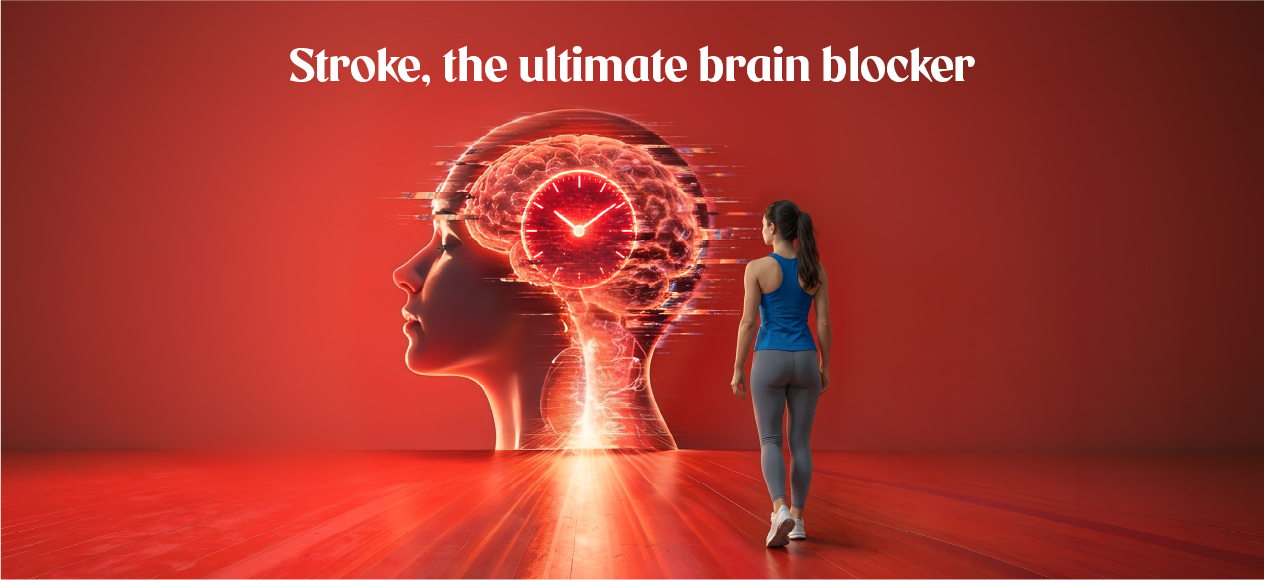
- Stroke happens when the blood flow to the brain is disrupted, cutting off the brain cells from the oxygen and nutrients they need to survive.
- There are two main types of stroke cases in Singapore. Ischaemic stroke is the most common, affecting 80% of local cases.
- Knowing how to identify a stroke quickly can save a life, as some cases can be potentially reversed if treated within the first 3.5 to 4 hours.
- The brain is closely connected to the heart. Adopting heart-healthy habits can significantly reduce your stroke risk.
Kathy, an IT expert known among her peers for her Pilates routine and weekend jogs, was gearing up for her morning workout when her right arm suddenly felt like a dead weight. Like many young, active Singaporeans, she assumed it was just a pinched nerve or fatigue after a tiring week. That was when she noticed that her smile in the mirror looked uneven. When Kathy’s family doctor diagnosed her with a stroke, she was shocked. Her story isn't unique. Even seemingly healthy individuals in their prime can experience a sudden stroke without prior warning signs.
Stroke is a major health concern in Singapore, and it affects more than the ageing population. In fact, it’s the fourth-leading cause of death and one of the primary causes of adult disability in Singapore. And while this condition is commonly associated with the older generation, stroke incidents among adults under 50 have been steadily rising. It can strike anyone, even if you are young, fit, and physically active.
While a stroke can be life-altering, some cases can potentially be reversed without causing permanent brain damage if handled promptly. Knowing what the symptoms look like, the first steps to take, and where to seek help can make all the difference to your life and save someone dear to you. Let’s dig into the details!
The "traffic jam" in your brain
What actually happens during a stroke
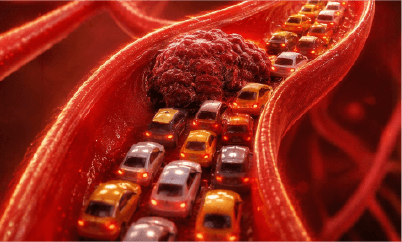
Essentially, a stroke occurs when blood supply to part of the brain is disrupted, cutting off the oxygen and nutrients your brain tissue needs. Within minutes, the affected brain cells begin to die. In Singapore, strokes generally fall into two main categories.
Ischaemic stroke
This is the most common type of stroke incidents in Singapore. Accounting for about 80% of all local stroke cases, ischaemic stroke happens when a blood vessel in charge of transporting blood to the brain gets blocked by a clot.
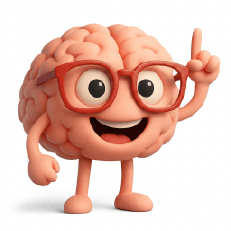
Is it reversible? Yes, potentially. If treated within the first 4.5 hours, some or all of the damage to the brain cells can be reversed. Emergency medical teams will use clot-busting medications or physically remove the clot with a thrombectomyto restore blood flow to the affected brain cells.
Haemorrhagic stroke
The remaining 20% of stroke incidents in Singapore are typically caused by a ruptured blood vessel that leads to bleeding inside or around the brain.
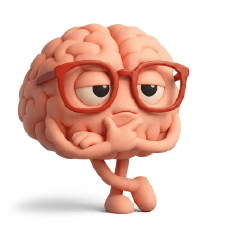
Is it reversible? The answer is more complex. The damage caused by haemorrhagic stroke stems from two main causes: interrupted blood flow and the physical pressure that occurs when the pooling blood presses against delicate brain tissue. The damage to brain tissue caused by this pressure can be severe, making full recovery possible but harder.
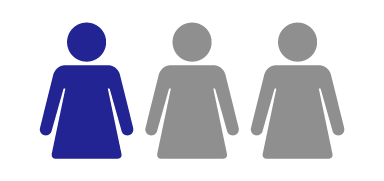
The FAST way to identify a stroke
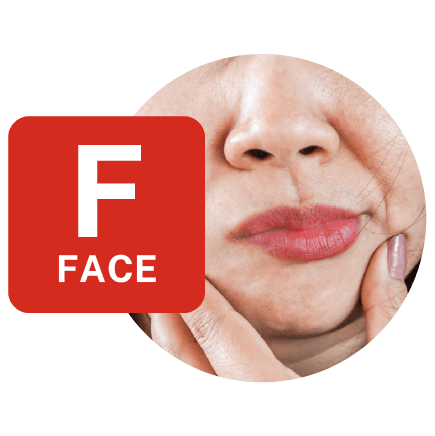
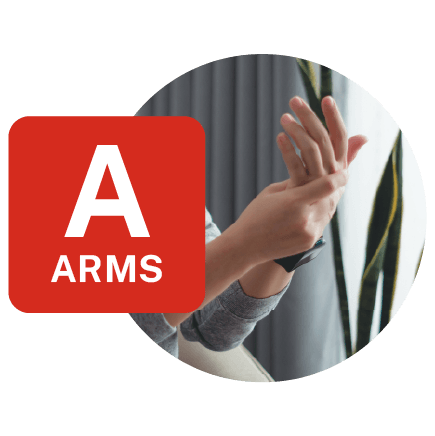
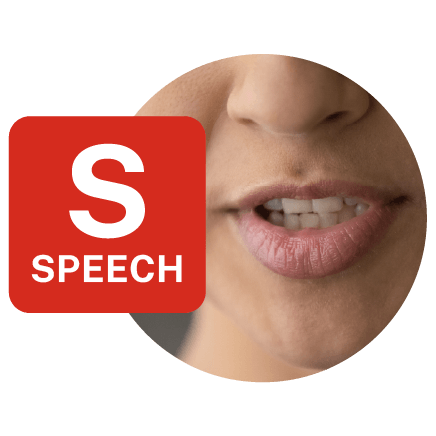
By spotting symptoms early, it’s possible to get emergency help within the critical time-window, dramatically improving recovery outcomes. The FAST method reminds you of four key things to look out for.
Don’t panic, just look at the screen!
This digital wallpaper could be a literal lifesaver. Just take a screenshot, save it on your phone, and you will have a handy reminder at your fingertips when you need to act FAST!
The "traffic jam" in your brain
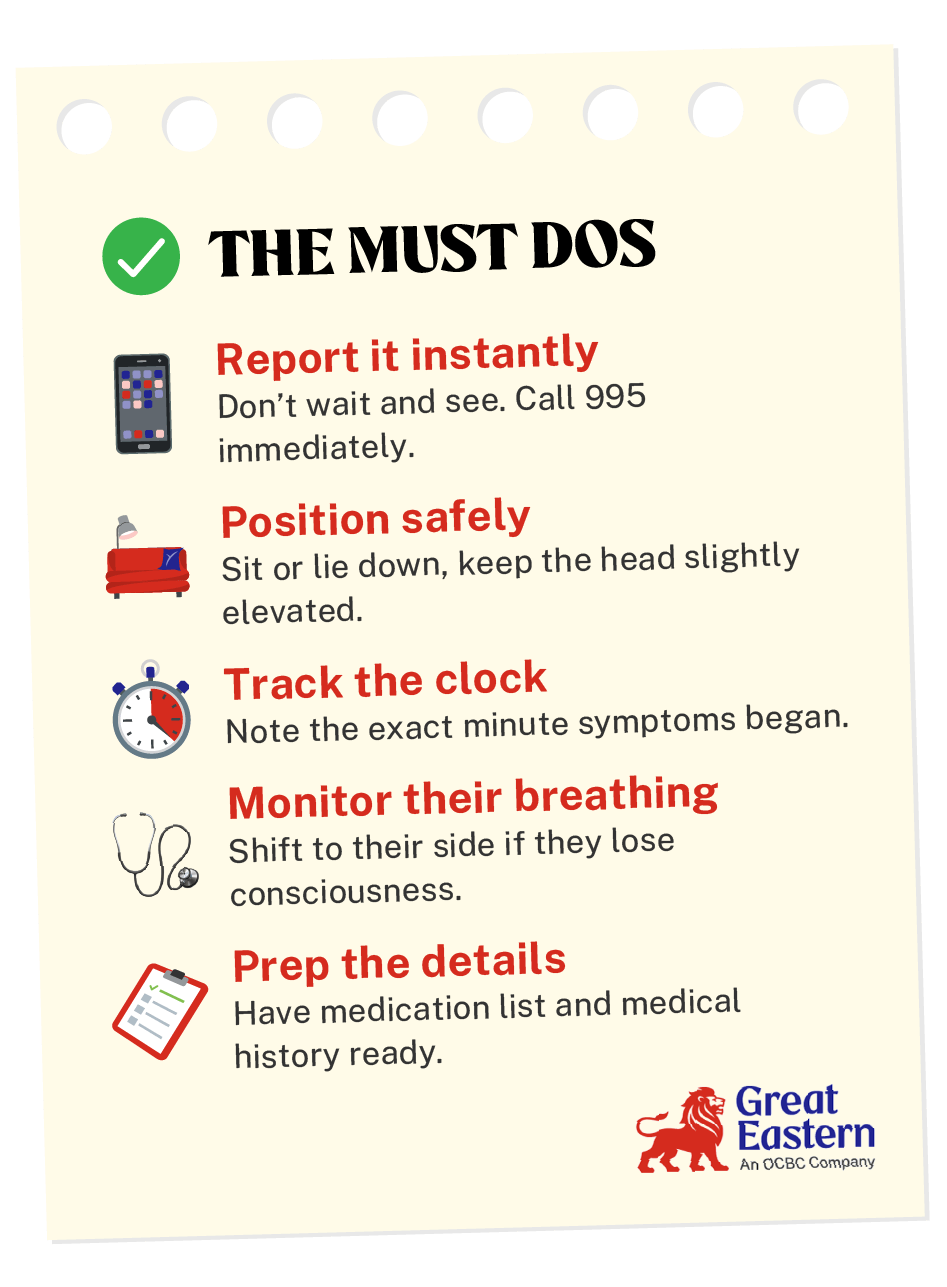
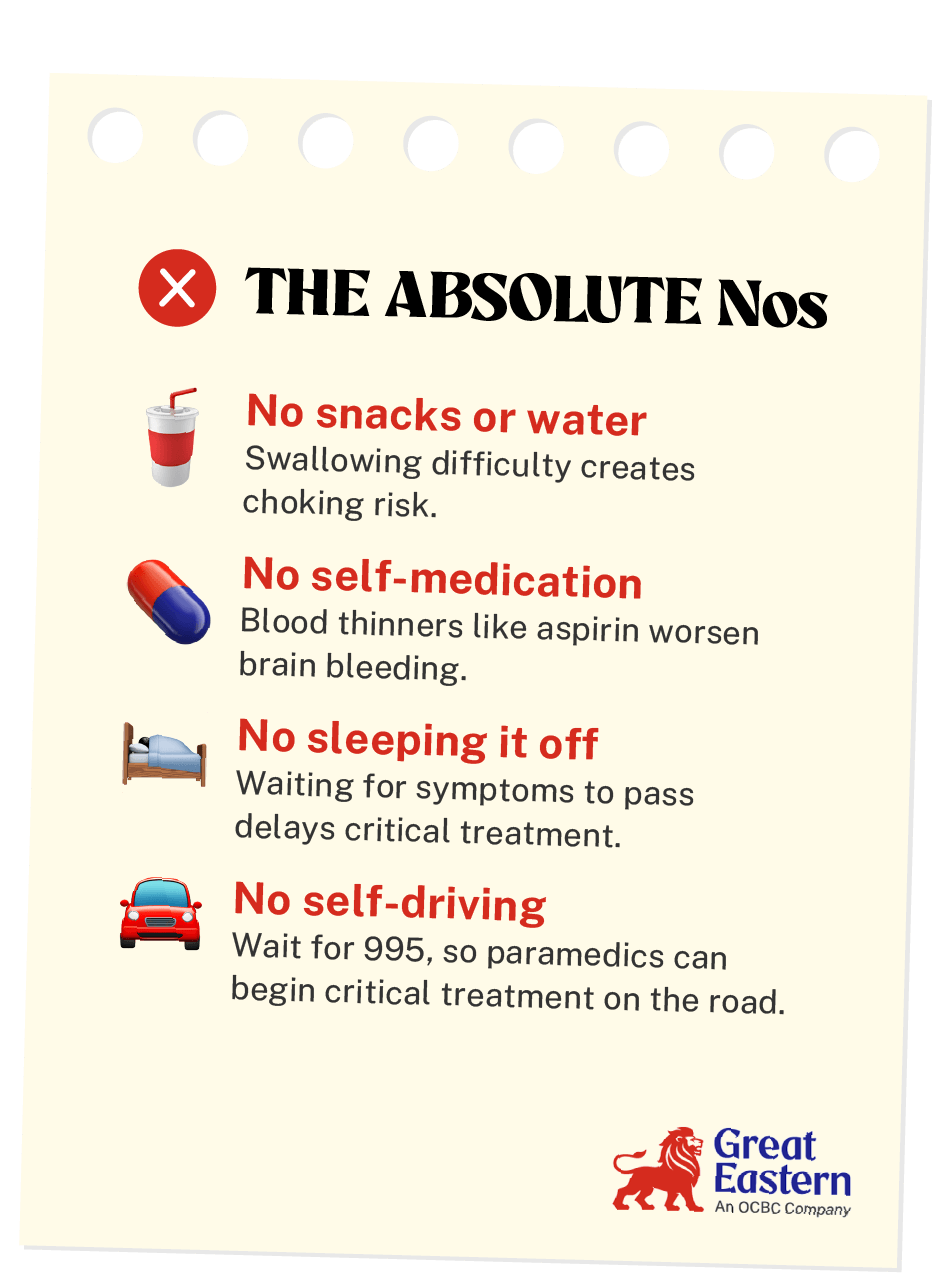
During a festive gathering, Cindy noticed that her grandma, the life of the party who knew all the good gossips, suddenly scrambled her speech, and half her face was drooping. The symptoms clear up immediately, and the family dismissed it asa false alarm. Three months later, her grandmother suffered another severe attack.
What happened to Cindy’s grandmother is not unusual. Sometimes, a person might experience stroke-like symptoms that clear up within minutes or hours. This is known as a Transient Ischaemic Attack (TIA), an urgent red flag of potential future strokes.
The Heart-Brain Connection
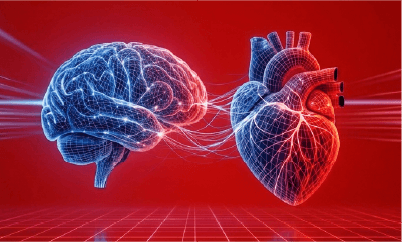
Your brain and heart are deeply connected. What strains your heart can put your brain at risk, and vice versa. Cardiovascular risk factors like high blood pressure, high cholesterol, diabetes, smoking, obesity, and physical inactivity can drastically increase your odds of getting a stroke. Here’s how the risk manifests.
Atrial Fibrillation (AFib)
Characterised by irregular heartbeats, this condition causes blood to pool and form clots in the heart. Carried by your bloodstream, these clots can travel straight to the brain. Having AFib can increase your stroke risk by approximately five times.
Stroke-heart syndrome
Cardiac complications often develop or worsen right after an acute ischaemic stroke, leading to post-stroke complications that range from abnormal heart rhythms to acute myocardial infarction, also known as a heart attack.
Up to 80% of stroke cases are preventable. Protecting your brain and your heart is the key.
With healthy living habits, you can reduce your likelihood of developing a stroke.

Monitor your health regularly
Keep tabs on your health markers through regular check-ups with your GP. By actively managing your blood pressure, cholesterol, and diabetes, you can detect potential issues early.
- Aim for a blood pressure reading below 120/80 mmHg, and watch out for readings of above 140/90mmHg or higher, as they may indicate Stage 1 Hypertension.
- Keep your fasting blood glucose below 6.1mmol/L and your total cholesterol level under 5.2mmol/L to prevent arterial damage.

Stay fit and keep moving
Aim for at least 150 to 300 minutes of moderate-intensity aerobicactivity and two days of muscle-strengthening every week. Aerobic exercises like brisk walking, jogging and cycling regularly will help to improve your blood flow and lower your blood pressure!

Keep a balanced diet
Fuel your body with plenty of wholegrains, leafy greens, and lean proteins while cutting back on excess sodium and saturated fats. Love snacking on salty crackers or fried fish skin? Swap them for healthier alternatives like sliced apples or pears with a peanut butter dip for that savoury kick!
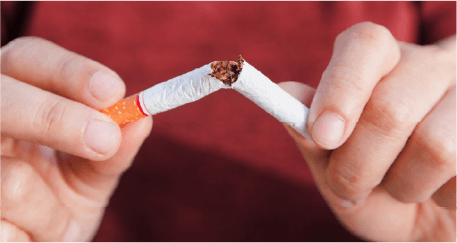
No smokes, no strokes
Smoking increases the risk of atrial fibrillation, a major cause ofblood clot-related strokes. Inhaling cigarette smoke also constricts your blood vessels, causing a temporary spike in blood pressure.
Already a smoker?
It’s never too late to quit. When you say goodbye to your smokinghabit…
Within 8 hours: Carbon monoxide and nicotine levels drop by morethan half, allowing your blood oxygen to return to normal.
- After 2–12 weeks: Your blood circulation improves significantly.
- After 5–15 years: Your stroke risk drops to the same level assomeone who has never smoked.
Being young, fit, and active does not make you immune to stroke, so adopting heart-healthy habits is still essential to keeping your risk low.
What if it happens to you? While a stroke diagnosis is no light matter, it doesn’t have to mean the end of your independent lifestyle. With diligent rehabilitation and a health-conscious mindset, many patients are able to resume their daily activities and get back on track.
In fact, up to 80% of young stroke patients in Singapore (aged 18–50) were able to perform daily activities independently after undergoing recovery and rehabilitation. However, as many as one in four who recovered still did not return to work.
This highlights a key challenge: how do stroke patients manage the long-term cost of their recovery journey, from diagnosis to rehabilitation and beyond, while fulfilling their financial obligations and maintaining peace of mind? Protect your health and finances with comprehensive critical illness and disability coverage, alongside hospitalisation support. View our recommendations below to fortify your financial readiness!

GREAT Critical Cover Series
Health setbacks shouldn’t sideline your financial goals. Protect your income and peace of mind against multi-stage critical illnesses, from early detection to unexpected recurrences. Receive 100% lump-sum payout upon diagnosis of covered critical illnesses, including stroke and heart attack. Enhance your coverage with the Protect Me Again rider to receive additional coverage for up to two more critical illness episodes.
GREAT SupremeHealth + GREAT TotalCare2
Feel supported during your hospital stay with hospitalisation coverage that supports you at every lifestage. GREAT SupremeHealth, our MediSave-approved Integrated Shield Plan, complements MediShieldLife by providing coverage for higher ward classes at restructured hospitals, as well as coverage at private hospitals. Supplement this coverage with GREAT TotalCare 2 to reduce your out-of-pocket expenses.
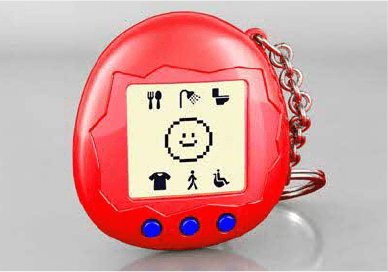
GREAT CareShield
Lighten your long-term medical and caregiving expenses while recovering from disability with the assurance of cash payouts. GREAT CareShield offers a lifetime of monthly payouts when you are unable to perform just 1 out of 6 Activities of Daily Living (ADLs). GREAT CareShield premiums can be paid with your MediSave funds, up to a limit of S$600 per calendar year per insured person.

GREAT Hospital Cash
Recovering in a hospital shouldn't strain your finances. From out-of-pocket expenses to household bills, transport costs, or substitute income for your family, be covered during your hospital stay with up to S$600 daily payouts when you are hospitalised for 12 hours or longer.



Let us match you with a qualified financial representative
Our financial representative will answer any questions you may have about our products and planning.
